
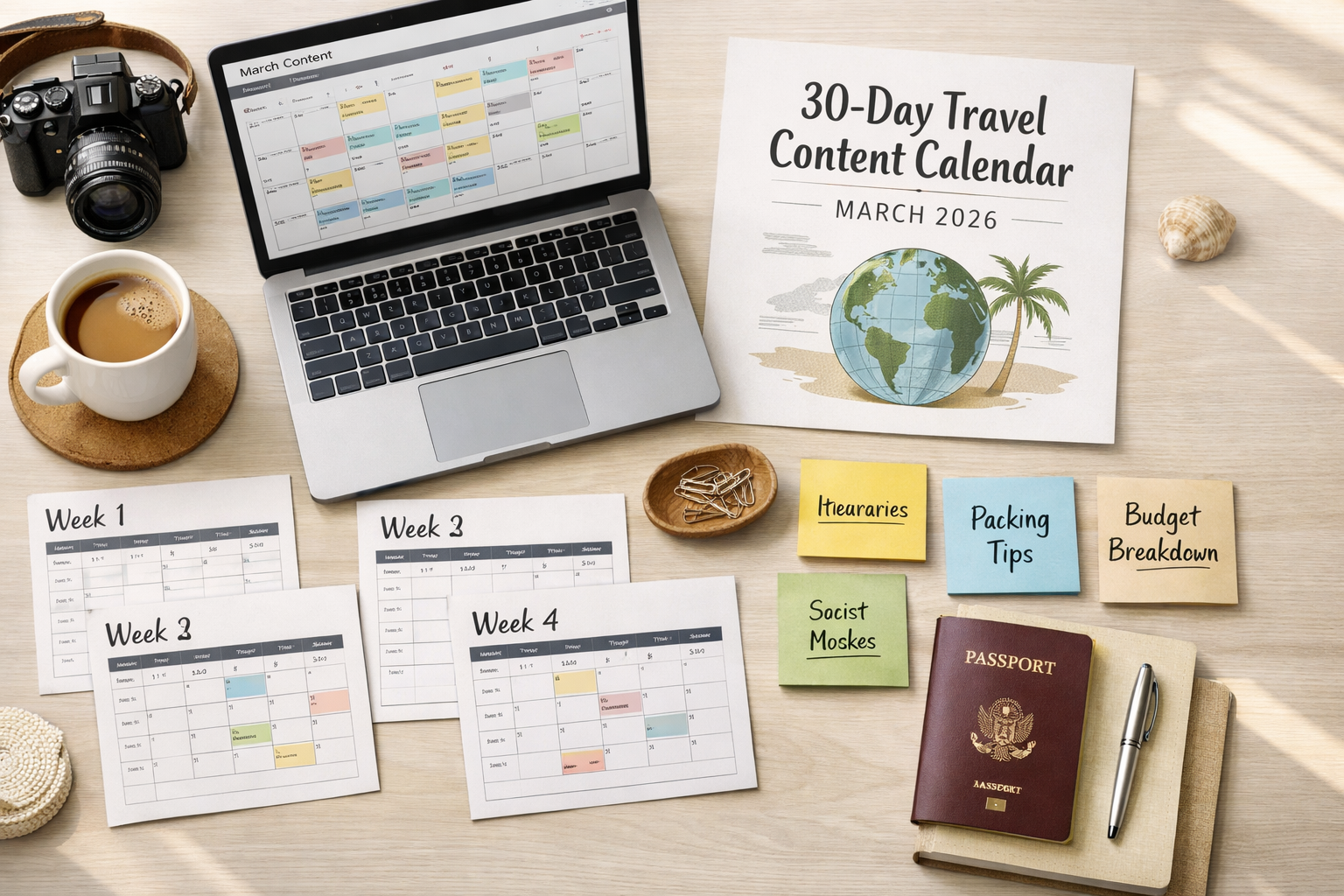
30-Day Travel Content Calendar: What to Publish Every Day in March 2026
If you’ve ever gone “all in” on a single Reel, a single TikTok, or one big blog post… and then watched it flop, you’re not alone.
Travel content can feel especially unpredictable: seasonality, algorithm changes, and audience attention all shift fast.
Here’s the good news: consistency beats virality for most travel creators building long-term traffic and ad revenue.
✈️ Planning March Travel? Start Here
Before we dive into the calendar, make it easy for your readers to start planning their March trips:
✈️ Find Cheap Flights for March
🏨 Compare Hotels & Accommodation Deals
- Viral spikes are exciting, but they’re often short.
- Consistency builds a searchable library of posts, videos, and guides that can earn for months (or years).
- Search-driven content compounds: one strong post can bring daily visitors who then read 3–5 more pages—exactly what display ads love.
This 30-day travel content calendar gives you a specific, publish-ready idea for every day in March 2026 (Days 1–30).
It’s designed to:
- keep your content varied (blog + video + social + email),
- attract search traffic (higher ad RPM potential), and
- build a community that actually clicks, comments, and returns.
Use it as a daily plan, or batch it: film 3–4 short videos on one day, write 2 blog drafts on another, schedule emails on Sundays.
You don’t need more time—you need a system.
- How to use this March 2026 content plan (quick setup)
Before you start Day 1, do these 3 things:
1) Pick one “anchor destination”: you can weave through the month (a place you’ve visited, are visiting, or can research).
This makes the calendar easier to execute.
2) Choose your “core platform”: (usually your blog, for ad revenue), then use the re-purposing plan to feed everything else.
3) Create a swipe file: a Google Doc where you paste headlines, hooks, and questions your audience asks.
You’ll pull from it all month.
Now, let’s map out what to publish every day.
Week 1 (Days 1–7): Destination Inspiration
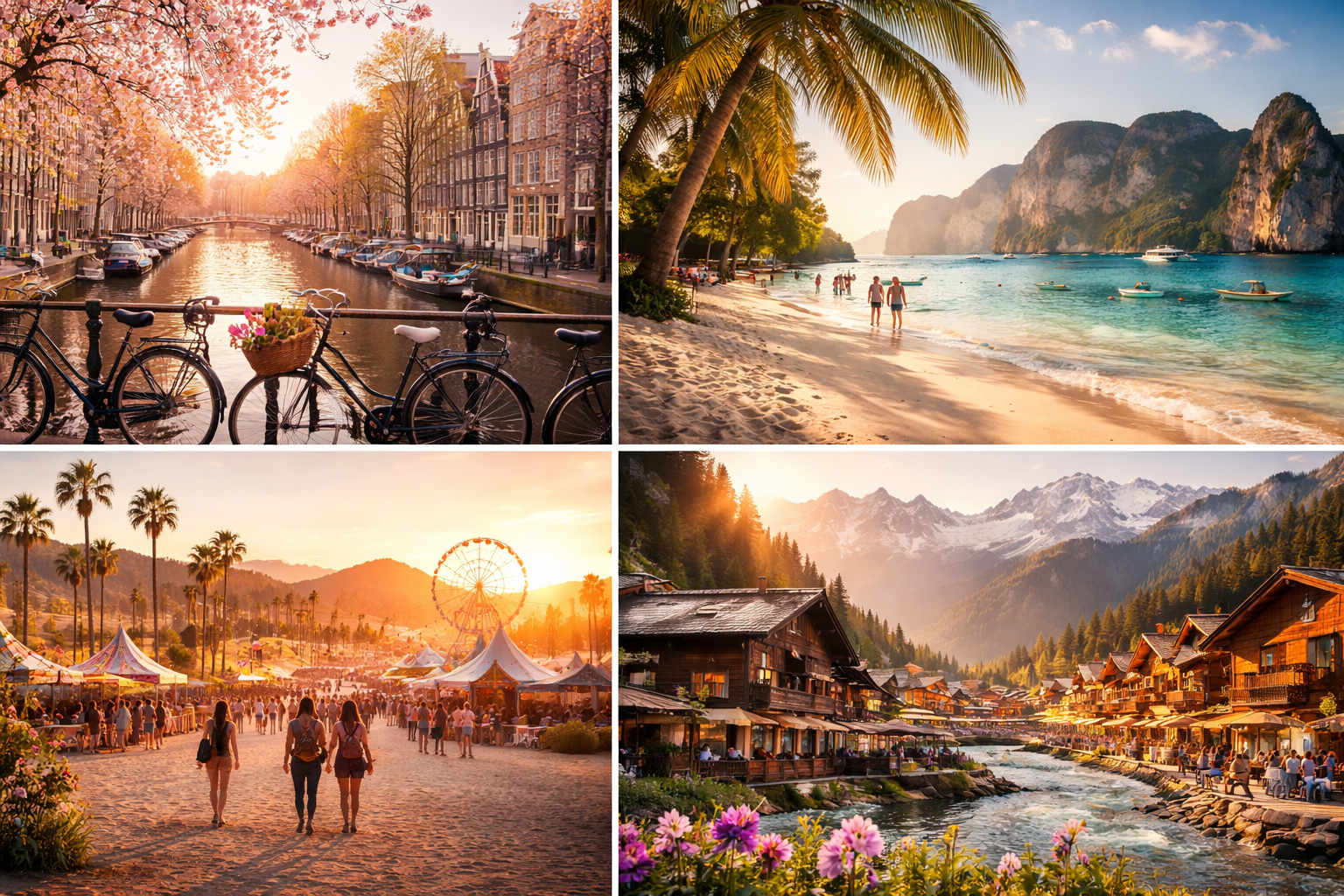
Goal: Spark wanderlust and start building topical authority around a destination or travel style.
Day 1 — “March 2026 Travel Bucket List: 10 Places That Are Perfect Right Now”
- Best format: Blog post + Pinterest pins + short video teaser
- Make it actionable:
- Include why March works for each destination (weather, shoulder season prices, festivals).
- Add mini itineraries (2–3 days) under each place.
- Monetization/SEO tip: Target long-tail keywords like “best places to visit in March in Europe” and “warm places in March.”
Add internal links to any destination guides you already have.
Day 2 — Destination Spotlight: “48 Hours in [City]: The Ultimate Weekend Itinerary”
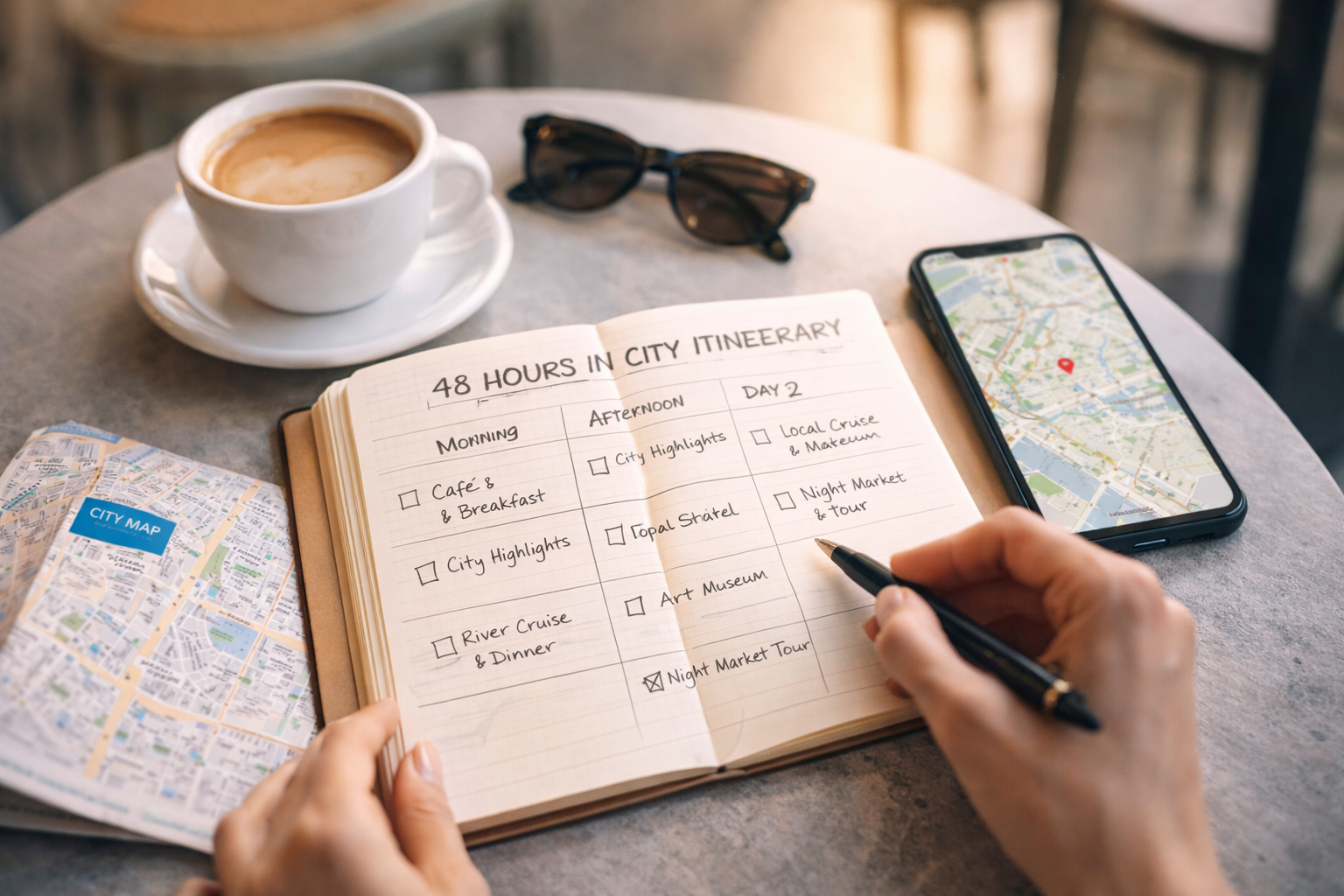
Best format: Blog + IG carousel (day-by-day) + Google Maps list link
- Include:
- morning/afternoon/evening schedule
- 1 budget option, 1 mid-range, 1 splurge
- an “if it rains” alternative
- Ad revenue tip: Itinerary posts keep readers on-page longer (scroll depth), which can help viewability and RPM.
Day 3 — Photo Essay: “A Visual Guide to [Destination]: 25 Photos That Tell the Story”
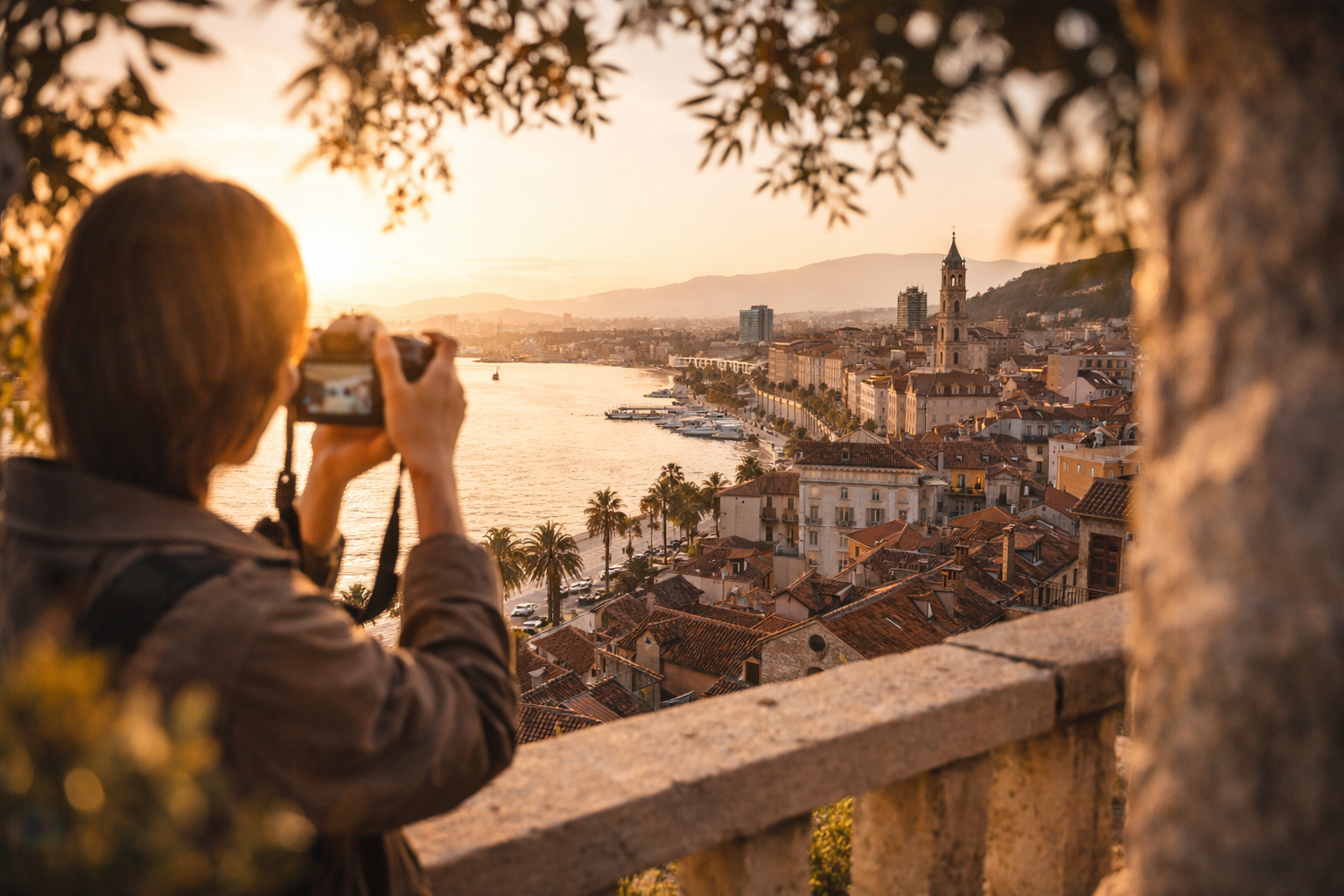
Best format: Blog photo essay + Pinterest + IG carousel
- Make it SEO-friendly:
- Write a 2–3 sentence story under each photo.
- Use descriptive alt text (not “IMG_3920”).
- Ad tip: Photo-heavy posts can generate more ad impressions, but keep load speed in mind—compress images and lazy-load.
Day 4 — “Hidden Gems in [Destination]: 12 Spots Locals Love”
Best format: Blog + short video (“3 hidden gems in 30 seconds”) + Stories poll
- Add credibility:
- cite local sources (tourism board pages, local newspapers, community forums)
- include neighborhood names and transit tips
- Monetization tip: Pair hidden gems with contextual affiliate links (tours, transit passes, city cards).
Even if your main goal is display ads, this diversifies revenue.
Day 5 — “Best Cafés / Viewpoints / Markets in [Destination] (With a Map)”
- Best format: Blog + downloadable map + IG carousel
- Execution shortcuts:
- Use Google My Maps to create a shareable map.
- Add quick notes: “best time to go,” “cash only,” “line gets long.”
- Ad tip: List posts often perform well in search because they match how people plan.
Day 6 — “One-Day Trip from [Base City]: Route, Costs, and What to Do”
- Best format: Blog + YouTube/short-form video + email
- Make it practical:
- exact transport steps
- total cost breakdown
- timed schedule with travel time baked in
- Email angle: Send a “mini itinerary” to your list and link back to the full post.
Day 7 — “This or That: [Destination] vs. [Similar Destination] (Which Should You Choose?)”
- Best format: Blog + IG Stories poll + short video (pros/cons)
- Include:
- budget comparison
- vibes (quiet vs nightlife)
- best for couples/solo/families
- SEO tip: Comparison posts capture high-intent searches and can lead to multiple page views as readers explore both options.
Week 2 (Days 8–14): Practical Tips (Packing, budgeting, safety)
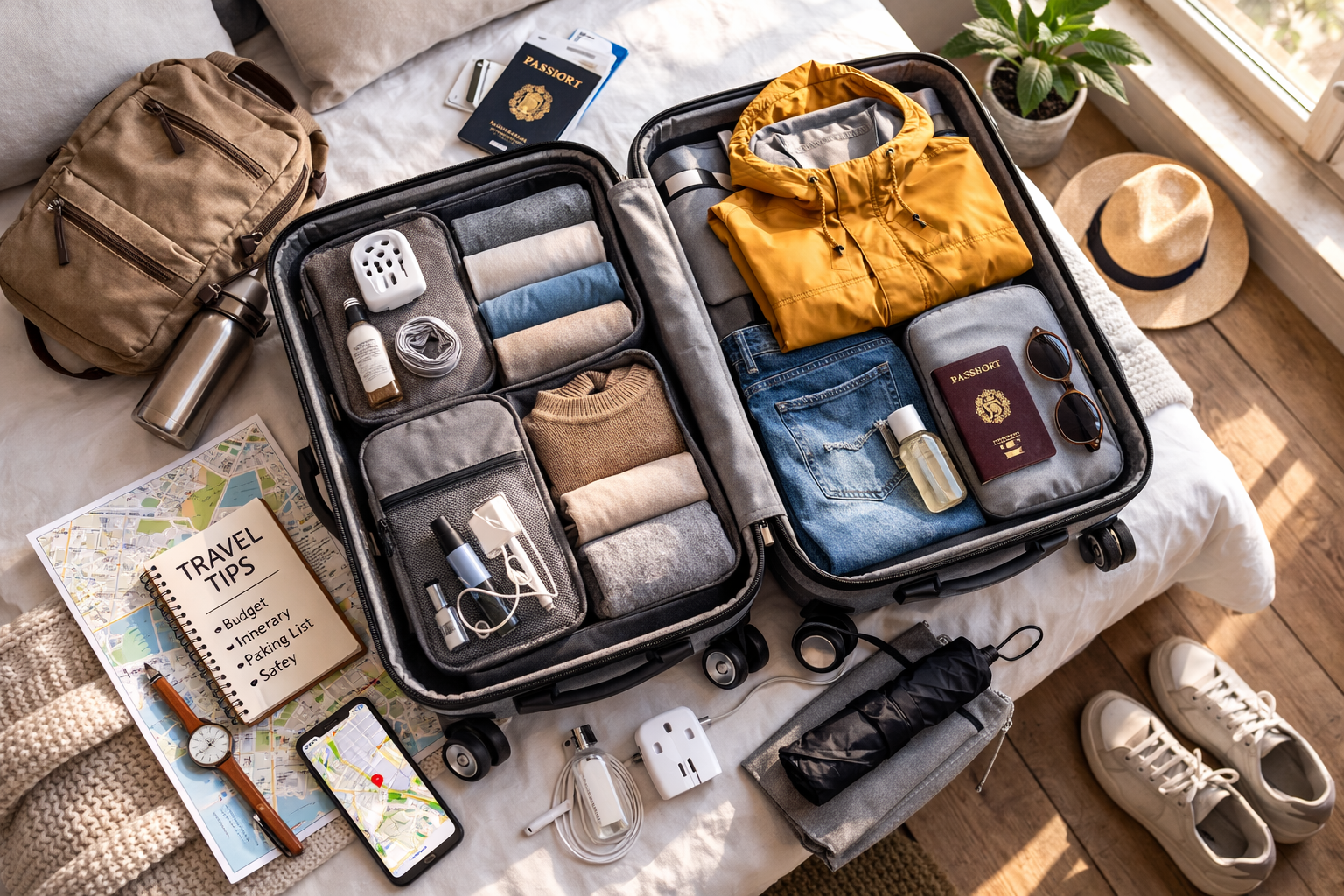
Goal: publish evergreen advice that attracts search traffic year-round and builds trust.
Day 8 — “The Only Packing List You Need for [Trip Type] (With Printable Checklist)”
Best format: Blog + downloadable checklist + Pinterest
Examples of trip types:
- 2-week Europe spring trip
- tropical beach + city combo
- digital nomad month
Monetization tip: Add a “favorites” section (packing cubes, travel adapter, rain jacket). Keep recommendations honest and experience-based.
Day 9 — “Carry-On Only Challenge: What I Packed + What I Regretted”
Best format: Short video + blog companion post
Creator-friendly hook:
- “If I could repack, I’d remove ___ and add ___.”
Ad tip: The blog companion post can rank for “carry-on packing list” while the video drives new users to the site.
Day 10 — “Travel Budget Breakdown: Exactly What 7 Days in [Destination] Costs”
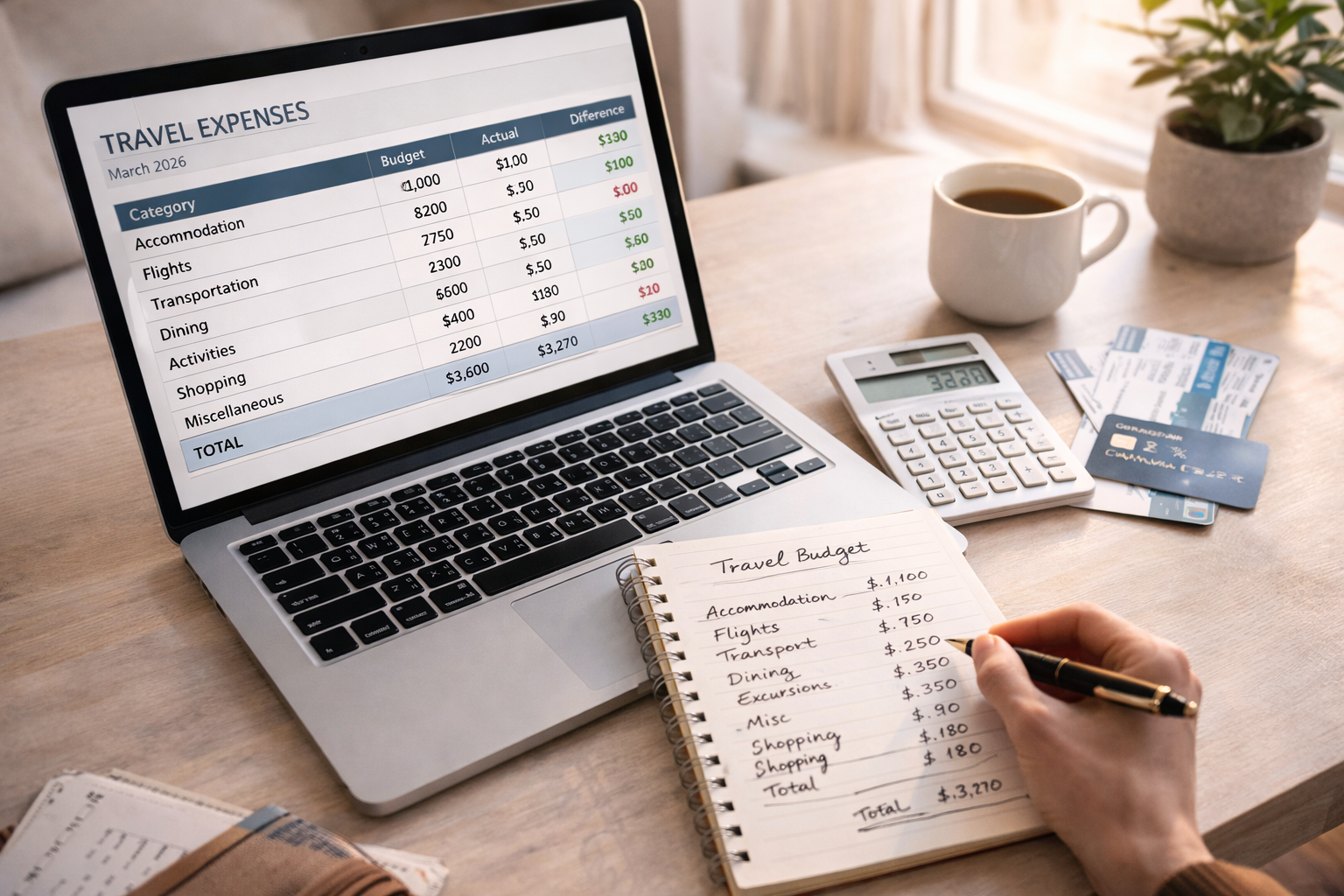
Best format: Blog + spreadsheet screenshot + email
Include a table:
- lodging
- transport
- food
- attractions
- “surprises” (fees, tips, SIM)
Ad + SEO tip: Budget posts attract planning searches and keep users engaged because they read line-by-line.
Day 11 — “How to Find Cheap Flights in 2026 (Tools + Timing + Mistakes to Avoid)”
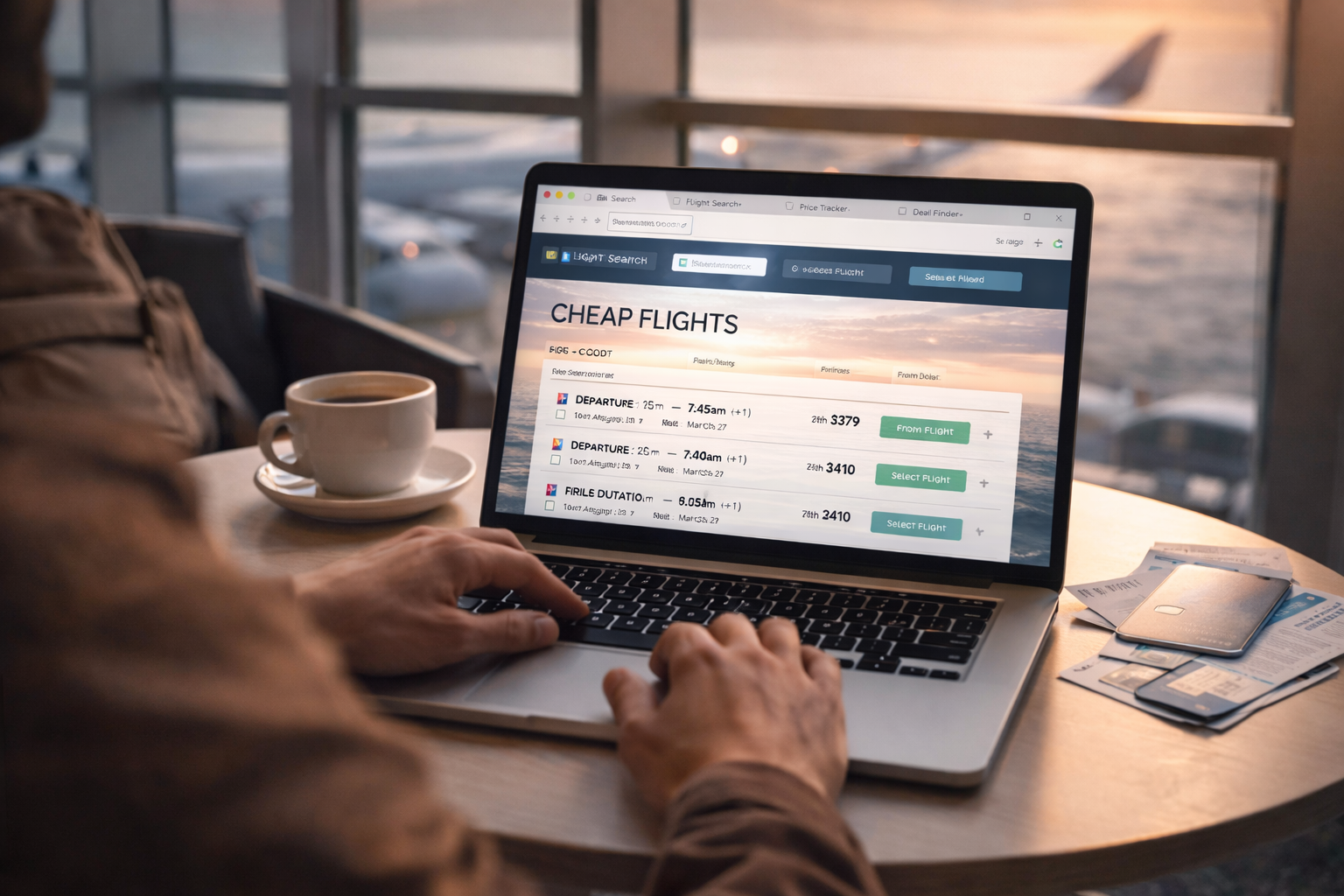
Best format: Blog + short video “3 flight hacks”
Make it real:
- set alerts
- flexible airports
- when points help vs hurt
Monetization tip: This post can earn strong RPM because it attracts high-intent readers (travel purchases). Add internal links to destination guides.
Day 12 — “Travel Safety Guide: What I Do Before Every Trip (Solo-Friendly)”
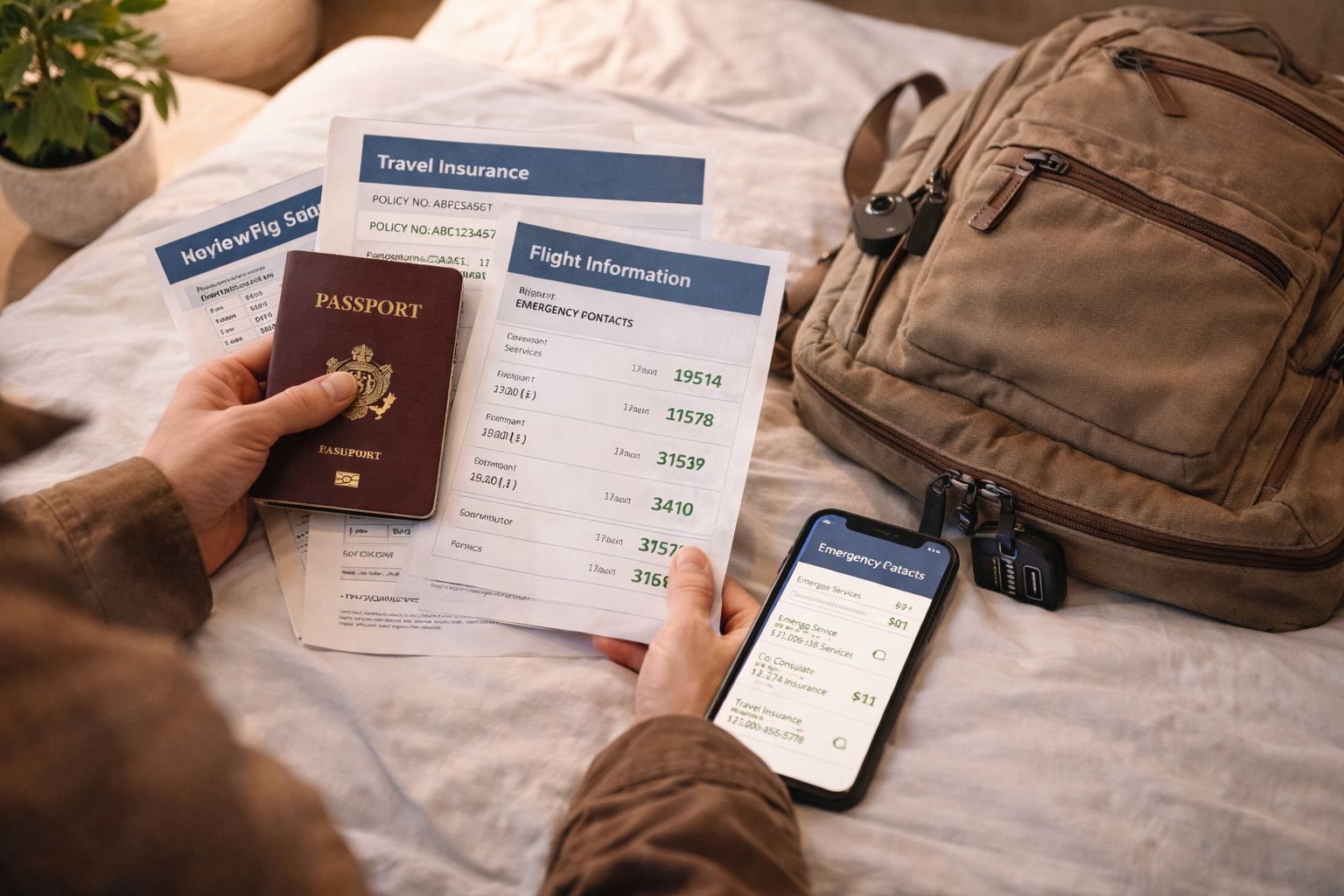
Best format: Blog + IG carousel checklist
Include:
- digital copies + cloud folder
- emergency contact plan
- neighborhood research
- common scams (general, not fear-mongering)
Trust tip: Safety content builds authority—readers who trust you are more likely to return and share.
Day 13 — “Connectivity & Tech: eSIMs, SIM Cards, Wi-Fi, and Must-Have Apps”
Best format: Blog + email (“my travel phone setup”)
Add:
- battery strategy
- offline maps
- translation tools
Ad tip: Tech guides can produce solid RPM, but keep them updated (dates in headings: “Updated for 2026”).
Day 14 — “How to Plan a Trip in 60 Minutes (My Exact Workflow)”
Best format: Blog tutorial + screen-record video
Workflow example:
- pick dates + rough route
- shortlist neighborhoods
- book “anchors” (flights/lodging)
- build a map list
- draft a loose itinerary
Monetization tip: Add a call-out box linking to your “free Notion/Airtable template” (see below).
Week 3 (Days 15–21): Personal Stories (Trip recaps, lessons learned)

Goal: make your brand feel human. Story content builds loyalty and keeps people clicking through your site.
Day 15 — “Trip Recap: What I’d Do Again (and What I’d Skip) in [Destination]”
Best format: Blog + short video “do this, skip that”
Make it useful:
- split into “worth it,” “not worth it,” “depends”
- link to the itinerary post from Day 2 or 6
Day 16 — “My Biggest Travel Mistake in [Destination] (So You Don’t Repeat It)”
Best format: Blog + IG Reel/TikTok
Story structure:
- what happened
- why it happened
- what you do now
RPM tip: Mistake posts often get high time-on-page because readers want the full story.
Day 17 — “A Day in the Life: How I Travel as a Content Creator (Gear, routine, shots)”
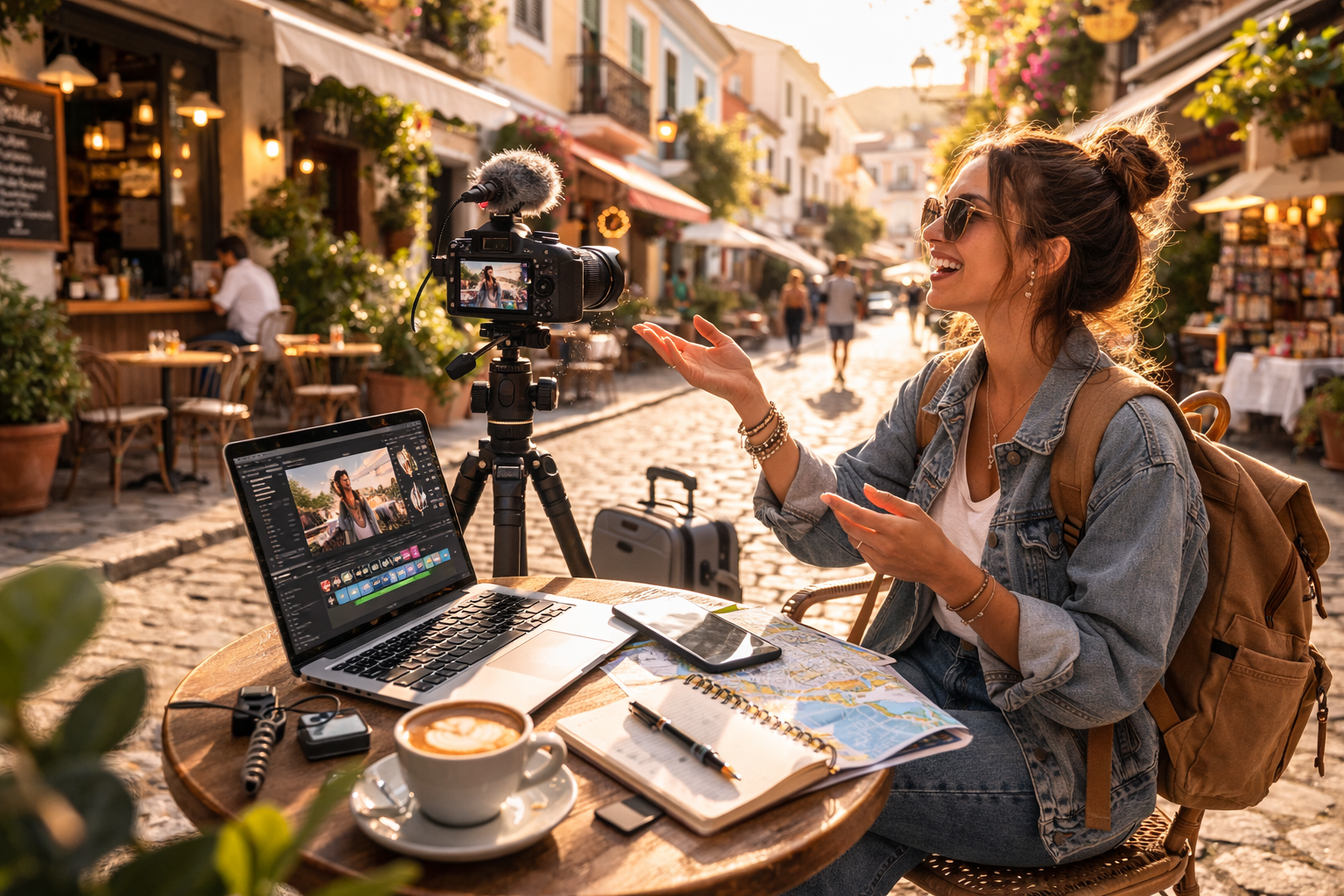
Best format: Video-first + blog with gear list
Include:
- shot list template
- how you back up footage
- how you caption/outline on the go
Monetization tip: Gear lists can add affiliate revenue. Keep it minimal and realistic—creators appreciate honesty over “buy everything.”
Day 18 — “Lessons Learned: What Travel Taught Me About [Confidence/Patience/Friendship]”
Best format: Blog + email newsletter (personal)
Make it relatable:
- tie lessons to practical actions (“here’s what I do now”)
- invite replies in email (community-building)
Day 19 — “Food Story: What I Ate in [Destination] (Best dishes + where to try them)”
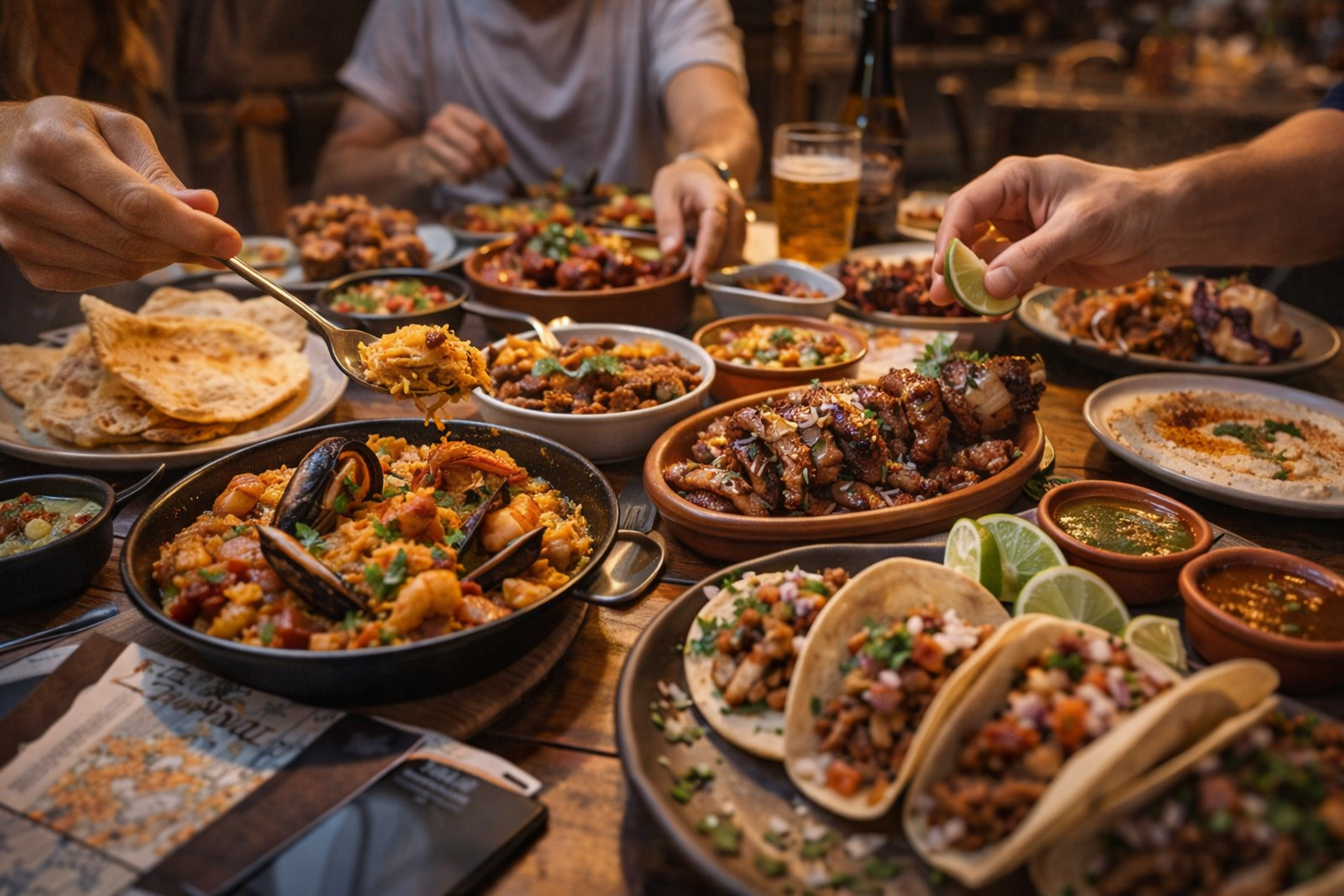
Best format: Blog + carousel + map
Make it accessible:
- describe flavors
- include vegetarian/allergy notes
- add approximate prices
Ad tip: Food content has strong share potential and keeps readers scrolling (great for display ads).
Day 20 — “The Real Cost of Travel Content (Time, money, and what pays off)”
Best format: Blog + video commentary
Cover:
- planning time
- shooting + editing time
- hosting/tools costs
- what you’d invest in first as a beginner
Trust tip: Transparent creator posts deepen loyalty—your audience feels like they’re learning with you.
Day 21 — “Behind the Scenes: How I Planned This Trip (Receipts, tabs, and timelines)”
Best format: Blog tutorial + screen-record
Include:
- research sources
- booking order
- how far ahead you booked
SEO tip: “How I planned” posts can rank for planning queries while still feeling personal.
Week 4 (Days 22–30): Community & Engagement

Goal: create interactive content that boosts comments, saves, shares—and gives you ideas for the next month.
Day 22 — “Reader Q&A: Ask Me Anything About [Destination/Travel Style]”
Best format: IG Stories question box + blog post compiling answers
Execution hack:
- Collect questions for 24 hours.
- Answer the best ones in Stories.
- Turn them into a blog post: “27 Questions People Ask About Visiting ___.”
Ad tip: Q&A posts naturally become internal-link hubs.
Day 23 — “Roundup: 15 Travel Creators to Follow for [Niche] Inspiration”
Best format: Blog + social shoutouts
Examples of niches:
- budget Europe
- luxury city breaks
- solo female travel
- family travel
- adventure hikes
Community tip: Tag creators on social—many will reshare, sending new users to your site.
Day 24 — “Poll Day: Help Me Choose My Next Trip (and I’ll Share the Final Plan)”
Best format: IG Stories poll + email
Blog angle:
- Create a short blog post: “I’m Choosing Between ___ and ___—Vote + Here’s What I’m Considering.”
Ad/engagement tip: Readers love being part of the decision, and the follow-up post can spike returning visitors.
Day 25 — “Ultimate Resource List: Best Apps, Booking Sites, and Tools I Actually Use”
Best format: Blog resource hub
Include categories:
- flights
- accommodation
- maps + translation
- budgeting
- photography
Monetization tip: Resource hubs can become top-earning ad pages because they attract repeat visits and lots of internal linking.
Day 26 — “Comment-Driven Post: I Asked My Audience ___, Here’s What You Said”
Best format: Blog + carousel of responses
Prompts to ask:
- “What’s your most underrated destination?”
- “What travel mistake do you still think about?”
- “Your #1 packing essential?”
Execution: Screenshot/quote responses (with permission when needed) and turn them into a structured post.
Day 27 — “Mini Guides Series: 5 Quick Wins for Better Travel Photos (No Fancy Camera)”
Best format: Blog + 5 short videos (one tip per video)
Tips to include:
- window light
- leading lines
- one signature pose
- phone settings
- editing “recipe”
Ad tip: A mini series keeps users returning day after day—great for session count and loyalty.
Day 28 — “Free Template Drop: My Travel Content Calendar + Trip Planner (Notion/Airtable)”
Best format: Blog landing page + email + social post
What to include on the page:
- who it’s for
- what’s inside (tabs/views)
- 3 screenshots
- a simple email opt-in
Template mention (downloadable):
- Notion version: content calendar + shot list + packing list
- Airtable version: editorial pipeline + status tags + publication tracker
Note: If you’re building an email list, this is one of the highest-leverage lead magnets you can offer.
Day 29 — “Monthly Wrap-Up: What Performed Best + What I’m Publishing Next”
Best format: Blog + email
Include metrics readers care about:
- top 5 posts by traffic
- top 3 videos by saves/shares
- biggest surprise
- what you’ll do differently next month
Monetization tip: This post can link back to your best-performing content, sending fresh internal traffic to your money pages.
Day 30 — “The 30-Day Challenge Invite: Join Me Next Month (Prompts + Accountability)”
Best format: Blog + email + social
Include:
- a simple pledge
- a printable checklist
- a call for readers to comment their niche/destination
Community tip: A challenge post can become a recurring tradition—easy to update and re-run.
Optional Bonus (March 31): “Quarterly Reset: Spring Travel Goals + Content Audit”
If you want a full March, add a Day 31:
- update old posts with 2026 details
- compress images
- add internal links
- improve titles + meta descriptions
- check ad layout and Core Web Vitals
A content audit day can be one of the biggest revenue moves you make all year.
Content Re-purposing Strategy: 1 Piece → 5 Platforms
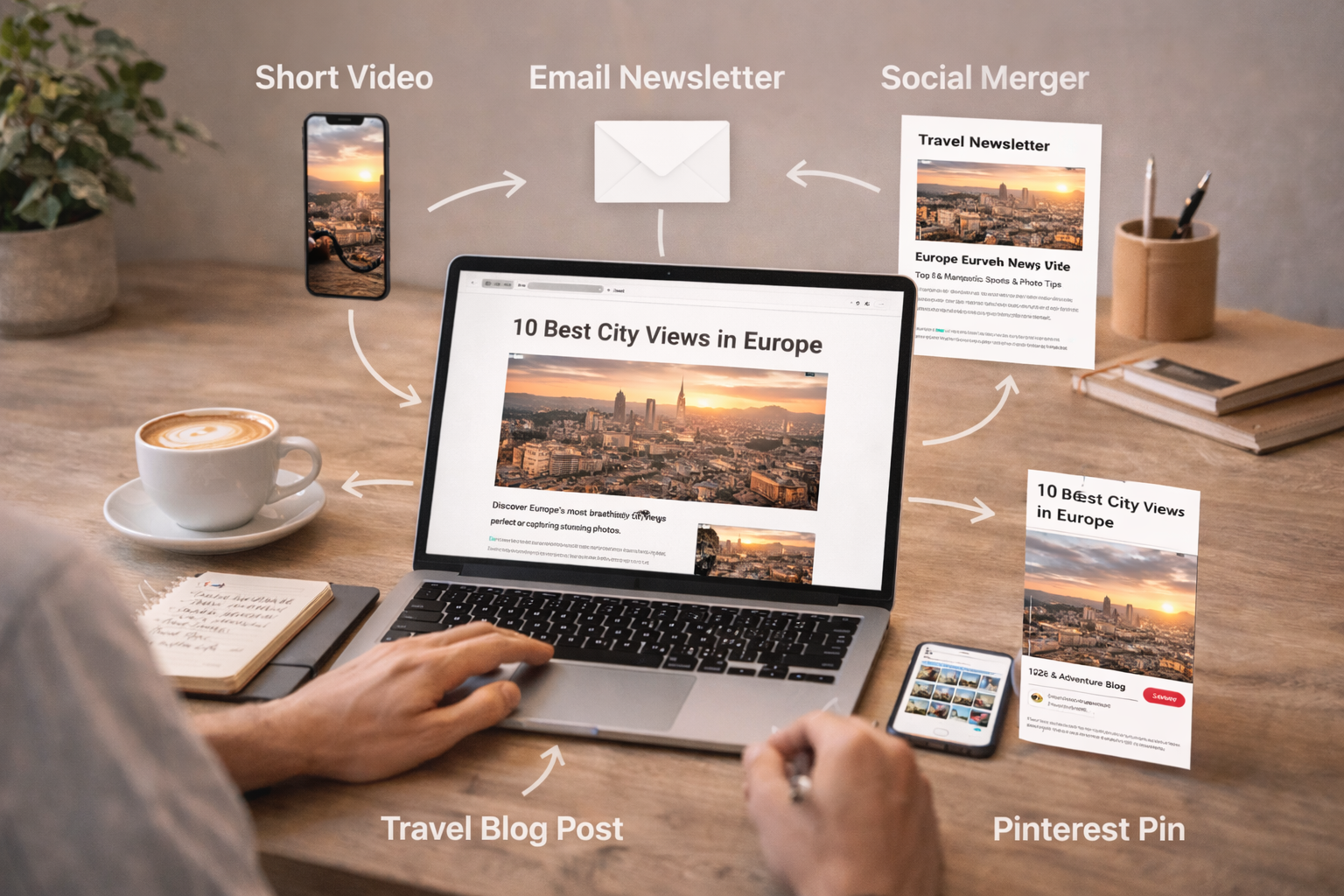
To make this calendar sustainable, don’t create 30 completely separate things. Create one “core” asset and re-purpose it.
Here’s a simple re-purposing workflow you can repeat all month:
- Core Blog Post (SEO + ad revenue):
- Write the full guide.
- Add internal links, FAQs, and a table of contents.
- Short-Form Video (Reels/TikTok/Shorts):
- Pull 3 key points.
- Use a hook (“I wish someone told me this before…”) and a clear CTA (“Full list is on my blog”).
- Instagram Carousel / Pinterest Pin:
- Turn sections into slides (“5 mistakes,” “7 stops,” “3 budgets”).
- Add a final slide with your blog URL and a reason to click.
- Email Newsletter:
- Tell the story behind the post (why you made it).
- Link to the full guide and ask one simple question to encourage replies.
- Community Post / Poll:
- Ask your audience to weigh in (“Which would you pick?” “What did I miss?”).
- Use answers to create Day 26 content (comment-driven post).
Batching tip: Write 2 blog posts per week, film 10 short videos in one session, schedule pins and emails on Sundays. Consistency becomes much easier when you stop switching tasks every day.
Free Notion/Airtable Template (Downloadable)
If you want this month to feel organized (instead of chaotic), create a dedicated “March 2026” workspace and track:
- idea → outline → draft → published
- SEO keyword + search intent
- target platform + repurposing checklist
- internal links you’ll add
- update date (for refreshing content later)
Include two versions so creators can use what they already like:
- Notion template: calendar view + content briefs + shot list + travel planning pages
- Airtable template: grid view editorial pipeline + status tags + due dates + performance metrics
Add a quick line in relevant posts (Days 14, 25, 28, 30):
“Want the template I use? Download the free Notion/Airtable travel content calendar here.”
This is a simple, creator-friendly lead magnet that also supports ad revenue long-term—more email subscribers = more returning sessions.
Ad Placement Strategy for Maximum RPM (Without Ruining UX)
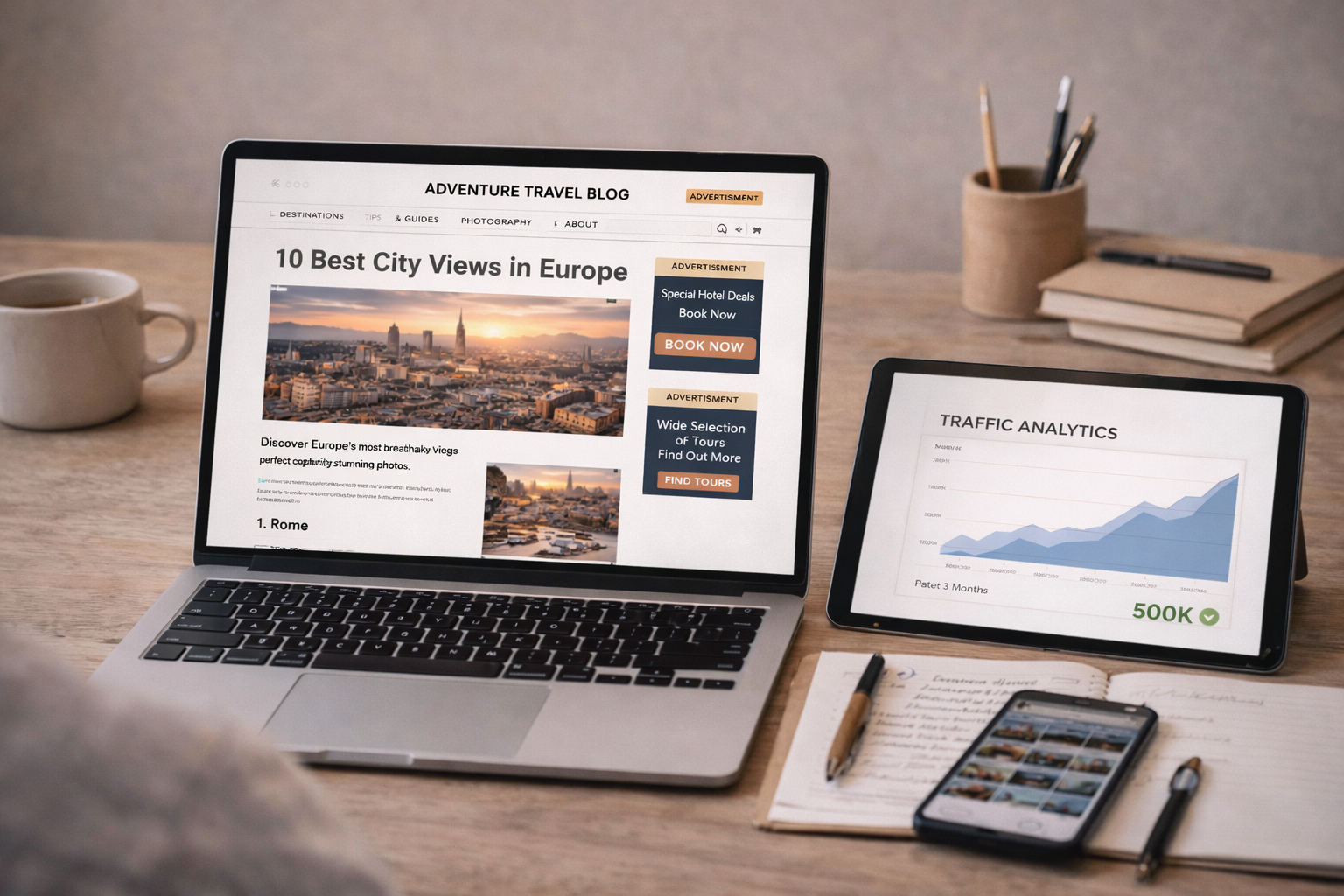
Display ads work best when your site delivers:
- longer sessions (multiple page views)
- high viewability (ads appear in-view)
- good user experience (fast loading, readable layout)
Here’s a practical ad placement approach for travel blogs:
1) Build “money pages” around high-intent search
Your highest RPM pages are often:
- “cost/budget” breakdowns (Day 10)
- “how to” planning guides (Days 11–14)
- resource hubs (Day 25)
- itineraries and comparisons (Days 2, 7)
These pull readers who are actively planning—higher engagement and often higher-value ad inventory.
2) Use a scroll-friendly structure
For every blog post in this calendar, use:
- short paragraphs
- clear H2/H3 headings
- quick summary box near the top
- a table of contents (especially on long guides)
This naturally increases scroll depth (and ad viewability).
3) Place ads where they earn—without breaking trust
Exact placements depend on your ad network/theme, but the general strategy:
- Above the fold: keep it clean. One ad unit is usually enough.
- After the introduction: first “in-content” ad after you’ve delivered value.
- Mid-content: place ads between major sections (not inside bullet lists).
- After a table or itinerary block: these are natural pauses.
- Sticky sidebar (desktop): can perform well on long posts if it doesn’t crush readability.
Avoid: placing ads in the middle of a packing checklist or splitting a cost table—readers will bounce, and your long-term RPM will suffer.
4) Prioritize speed (RPM loves fast sites)
- compress images (especially photo essays)
- lazy-load below-the-fold media
- limit heavy embeds on mobile
A fast site improves time-on-page and page-views per session, which usually helps revenue.
5) Create internal-link “paths” to increase page-views
At the end of each post, add:
- “Next read” links (2–4 related posts)
- a “Start here” hub for new readers
This is one of the simplest ad revenue multipliers: more page-views per user = more impressions.
Final encouragement: consistency is a skill you can build
You don’t need to post perfectly for 30 days—you need to post intentionally.
This March 2026 travel content calendar gives you a balanced mix of:
- destination inspiration (for shares)
- practical planning content (for search traffic)
- personal stories (for loyalty)
- community prompts (for engagement)
If you want a simple goal: publish the core blog post 2–3 times per week and re-purpose the rest.
Your future self (and your ad revenue) will thank you.
