
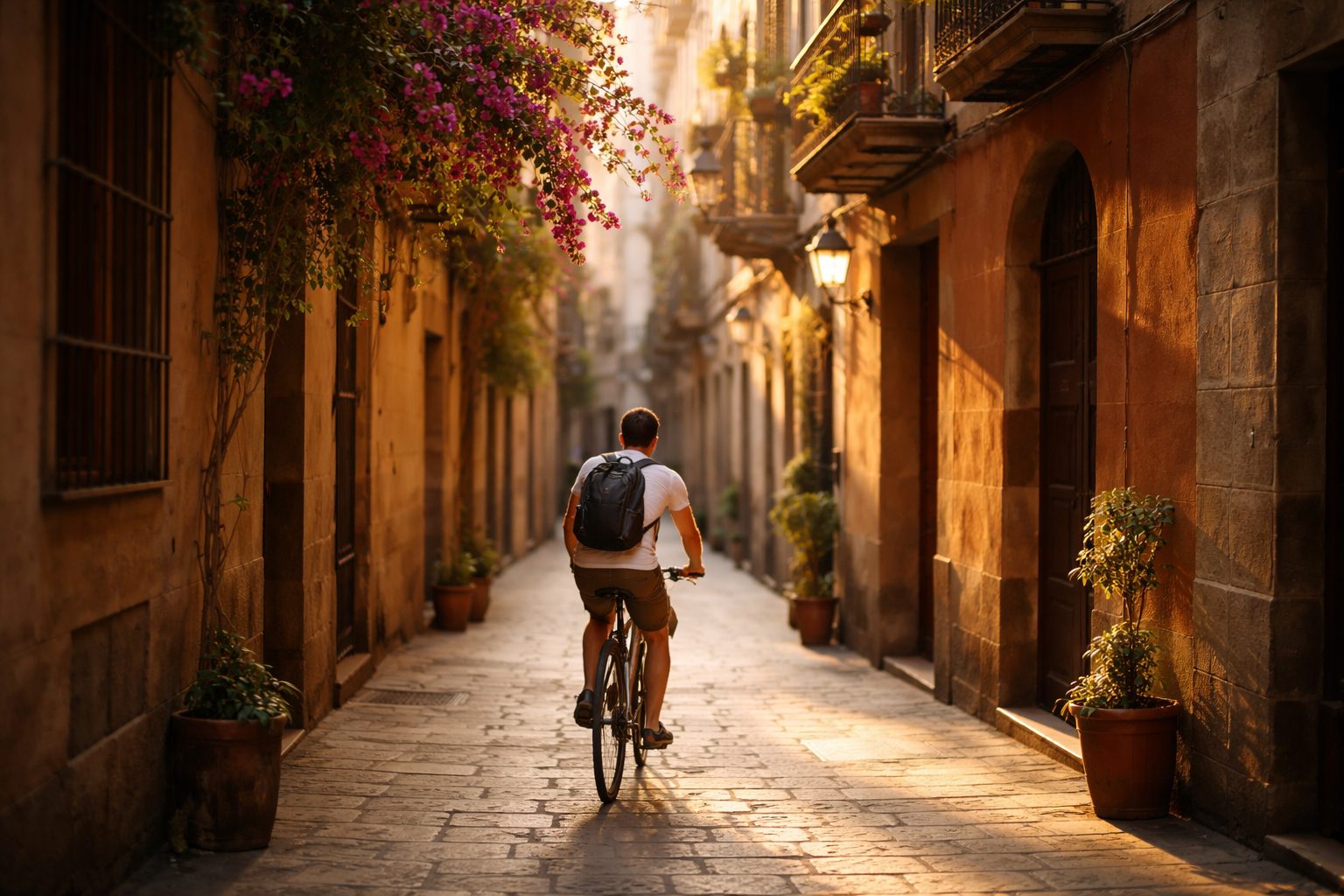
Why Barcelona’s Best Experiences Aren’t on the Postcard
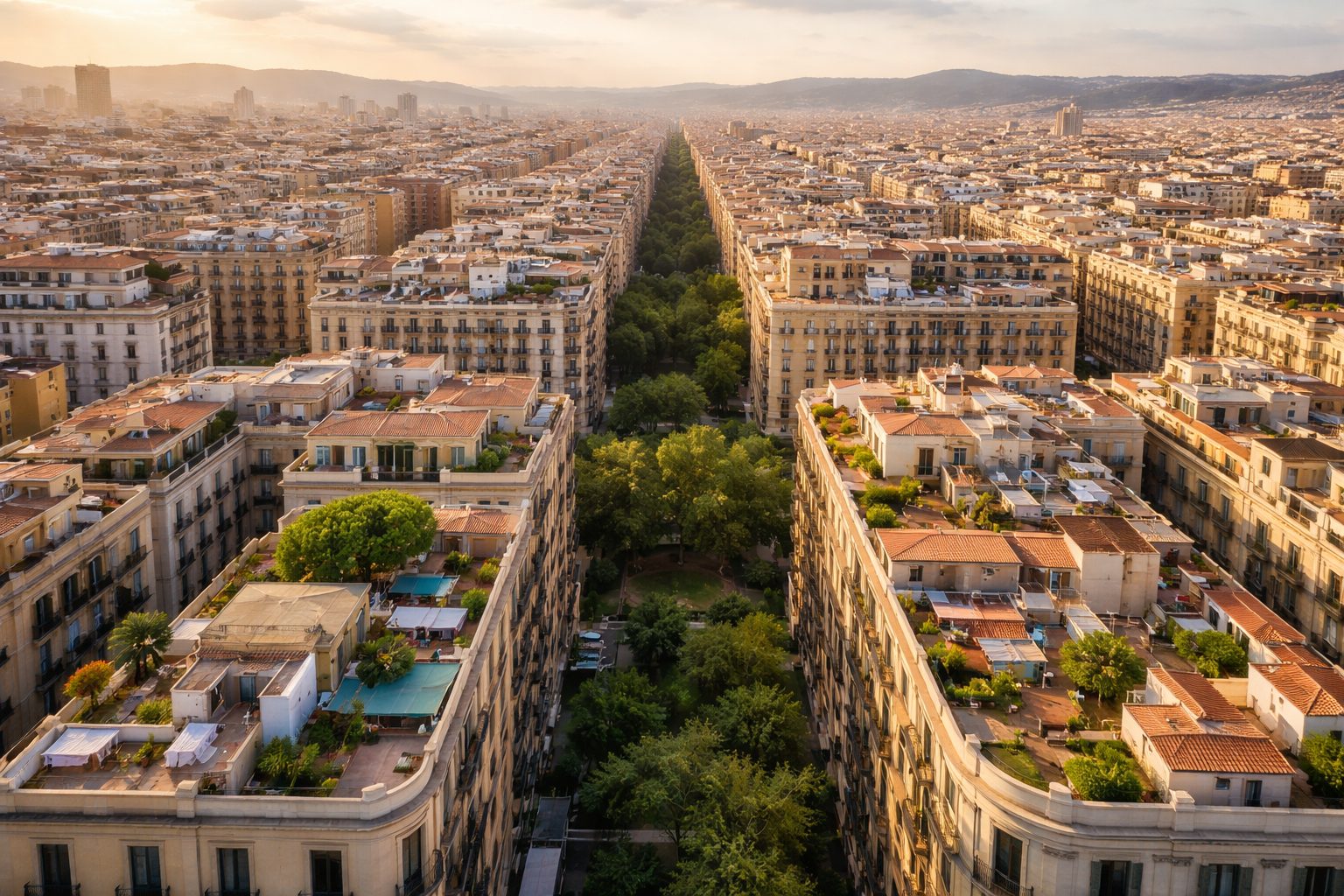
You’ll feel it the moment you step off the Aerobus at Plaça de Catalunya: a gravitational pull toward the Ramblas, toward Gaudí’s Sagrada Família, toward the Gothic Quarter’s honey-trap of sangria menus and overpriced crema catalana. Barcelona is extraordinary, and that reputation has cost it something. In 2023, the city recorded over 26 million tourist overnight stays, according to the Barcelona Tourism Observatory — a figure that compresses the life of an entire metropolis into a handful of postcard squares.
But walk twenty minutes in almost any direction from Las Ramblas and you’ll find a city operating at an entirely different frequency. Streets where cafés fill with architects debating the merits of Enric Miralles. Vermouth poured at noon without irony. Local bakeries still selling the coca de recapte that Catalan families have been eating since the medieval period. This is the Barcelona that residents fiercely protect — and the one that will ruin all other cities for you.
In 2026, the pressure on Barcelona’s most famous landmarks is higher than ever. The city has introduced timed entry slots for Park Güell (€10 for the Monumental Zone, bookable at parkguell.barcelona) and is actively trialling visitor-flow restrictions in the Gothic Quarter during peak summer hours. The practical upside for adventurous travellers is profound: the infrastructure for exploring beyond the tourist trail has never been better. Metro coverage has expanded, the T-Casual ten-trip card covers zones 1 through 2 for just €12.15, and neighbourhood cultural centres — the Ateneus — have exploded with English-language programming.
What follows is not a list of obscure places designed to make you feel superior. It is a genuine navigator’s guide to Barcelona as its residents experience it — sensory, specific, and built for the traveller who wants to come home with something that cannot be photographed on a selfie stick.
Hidden Neighbourhoods: El Born, Gràcia, and Poble Sec
You will not find the real Barcelona in the Gothic Quarter. You’ll find it in El Born, Gràcia, and Poble Sec — three neighbourhoods that function as an informal triptych of local life, each with a completely distinct personality.
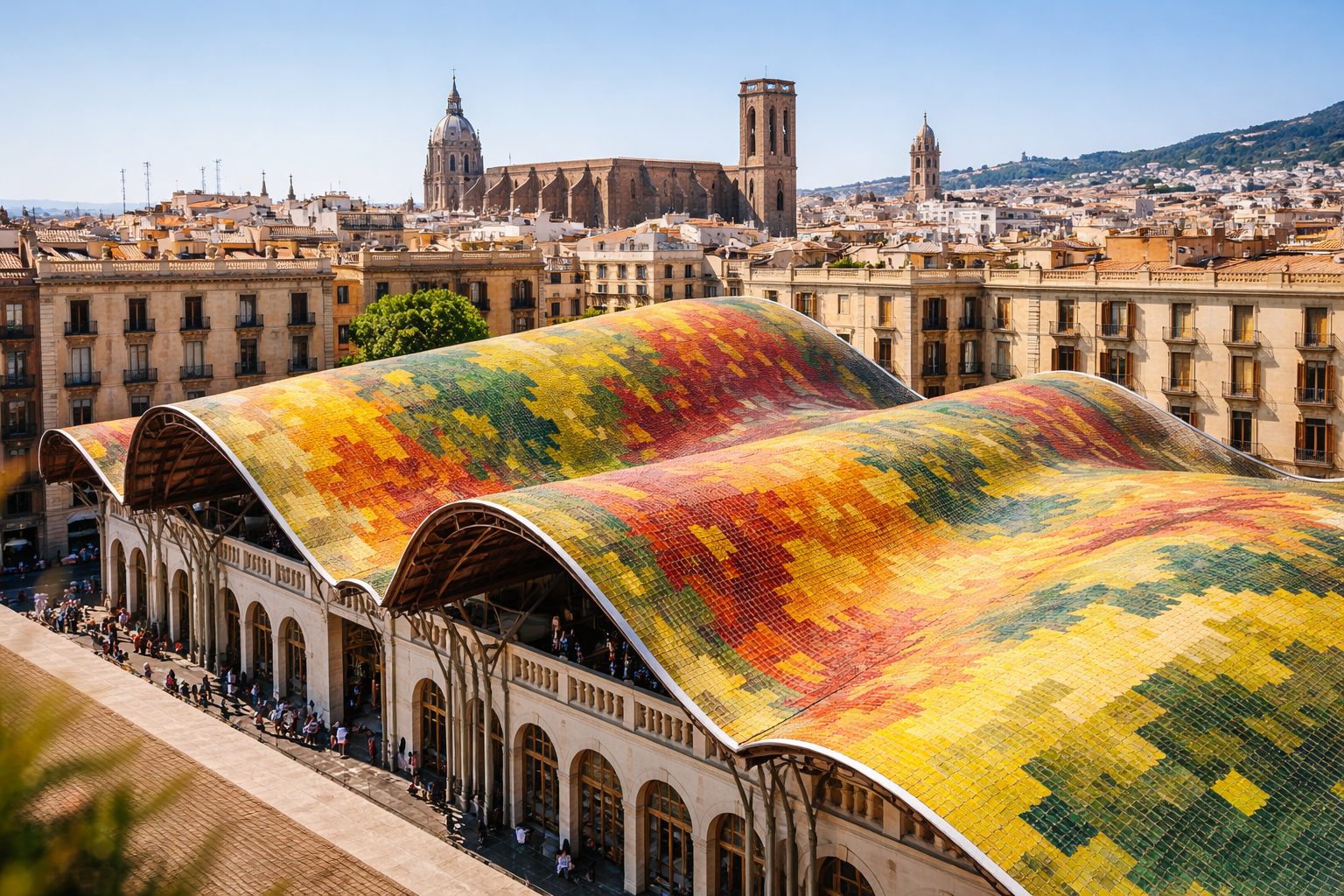
El Born sits east of the Gothic Quarter, separated from tourist inundation by the broad channel of Via Laietana. Its centrepiece, the Mercat de Santa Caterina, was redesigned by the late Enric Miralles and Benedetta Tagliabue and completed in 2005, its undulating mosaic roof — made from 325,000 ceramic tiles in 67 colours — functioning as a Gaudí-esque provocation without carrying a single tour group in its wake. The market opens Monday through Saturday from 7:30am and sells the same produce, fish, and charcuterie that local families have sourced here for generations. Lunch at the market bar — fried artichoke hearts, a glass of Penedès white — will cost you under €12.
Wander deeper into El Born and you’ll discover the Basílica de Santa Maria del Mar, a 14th-century Gothic church built entirely by the workers of the Ribera neighbourhood without noble patronage. It is arguably the finest example of Catalan Gothic architecture in existence, and because it is not Gaudí, it is rarely crowded before 11am. The interior geometry — soaring octagonal columns spaced 13 metres apart — produces a silence that the Sagrada Família, perpetually under construction and perpetually packed, cannot replicate.
Gràcia is the neighbourhood that locals cite most often when asked where they would live if money were no object. Technically absorbed into Barcelona in 1897 but spiritually independent still, Gràcia is organised around a constellation of small squares — Plaça del Sol, Plaça de la Virreina, Plaça de la Font — each functioning as an open-air living room from mid-morning until past midnight. The neighbourhood’s weekly market, the Mercat de l’Abaceria at Travessera de Gràcia, operates on Saturdays and sells vintage clothing, artisan cheeses, and hand-thrown ceramics alongside second-hand books in Catalan. Gràcia’s bar scene runs on vermut — vermouth — served between noon and 2pm with a dish of olives and anchovies, a ritual Catalans call ‘fer el vermut’ that predates the aperitivo culture Italy exported to the world.
PobleSec, draped across the southern slope of Montjuïc, is the neighbourhood undergoing the most interesting transformation in 2026. Its main artery, Carrer de Blai, is famous for its pintxos bars — Bar Quimet, El Xampanyet’s less-known cousin — where Basque-style canapes are piled onto bread and sold for €1.50 each during the evening rush. Wander off Blai into the residential streets, though, and you’ll find Refugi 307, a Civil War air-raid shelter from 1936 that opens for guided tours Thursday through Sunday (book at museuhistoria.bcn.cat, €8 per person). It is among the most affecting historical sites in the city and the least visited.
Secret Modernisme: Palau del Baró de Quadras and the Lesser-Known Domènech Buildings
You’ll be astonished to learn that Barcelona contains more than a hundred Modernisme buildings, and most visitors see fewer than five. The Ruta del Modernisme — a self-guided itinerary mapped by the city and available for download at rutadelmodernisme.com — covers 120 sites across the Eixample and surrounding neighbourhoods, yet the tourist circuit collapses, reliably, into Gaudí’s three greatest hits.
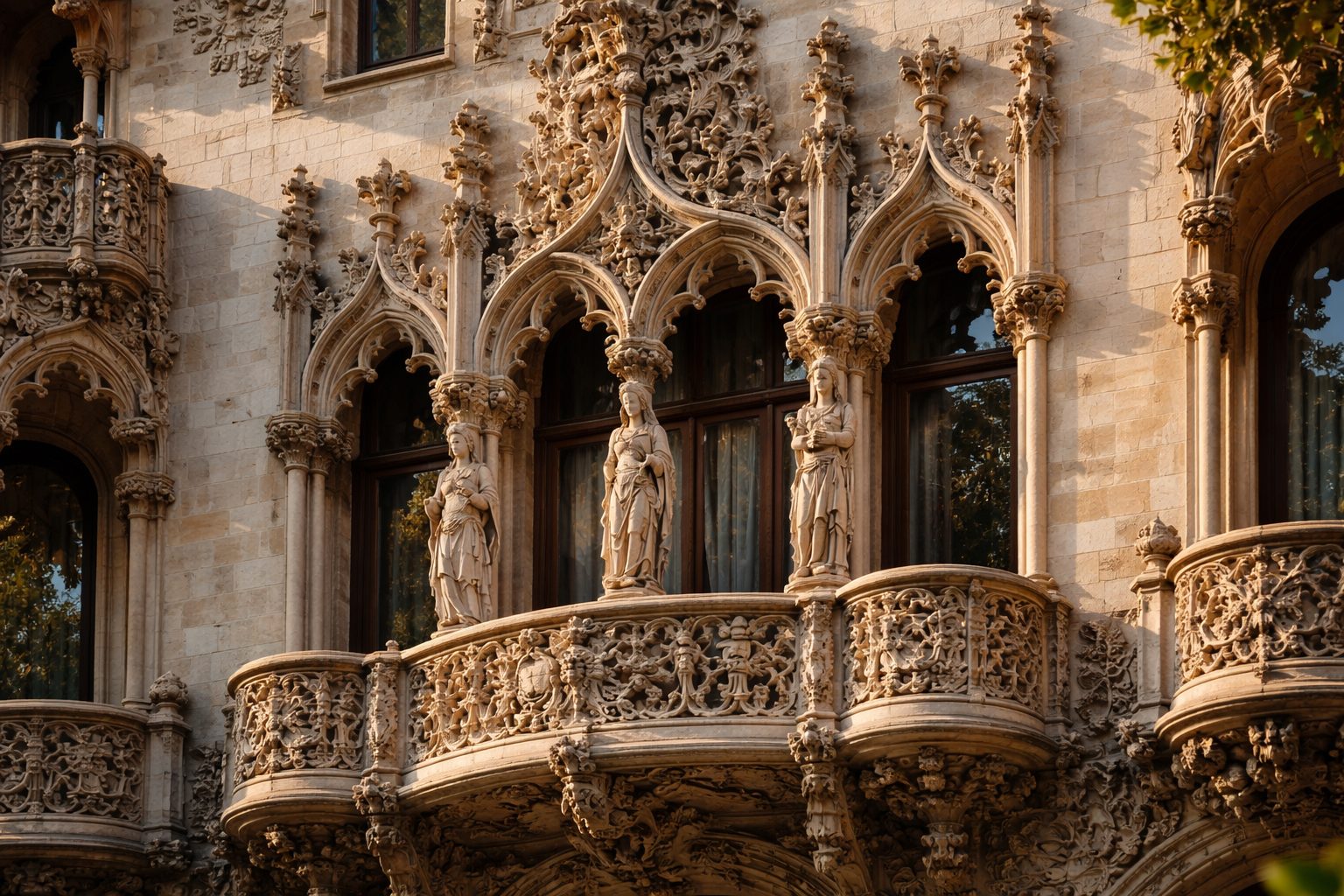
Palau del Baró de Quadras, at Avinguda Diagonal 373, is the building that architects most frequently cite as Barcelona’s great overlooked masterpiece. Designed by Josep Puig i Cadafalch and completed in 1906, its façade is a riot of Gothic-Plateresque ornament — stone-carved knights, grotesque faces, floral tracery — that operates as a kind of architectural fever dream. The building currently houses the Institut Ramon Llull and is open to the public Monday through Friday; the ground-floor lobby alone, with its stained-glass ceiling and hand-painted ceramic tiles, justifies the detour. Entry is free.
Lluís Domènech i Montaner, Gaudí’s great contemporary rival, exists in the tourist imagination almost entirely through the Palau de la Música Catalana. But his Hospital de la Santa Creu i Sant Pau — a UNESCO World Heritage Site, completed in 1930 — is an extraordinary complex built for the delivery of healthcare. Forty-eight pavilions connected by underground tunnels, each one a miniature palace of mosaic and sculpted stone, set within gardens designed to aid patient recovery. It sits twelve minutes on foot from the Sagrada Família but receives a fraction of its neighbour’s visitors. Tickets cost €16; early morning visits, before 10am, are practically solitary.
For those willing to make a short metro journey, the Cementiri de Poblenou — the old cemetery of Barcelona’s industrial neighbourhood — holds an extraordinary collection of neoclassical and Moderniste funerary sculpture. Architects, industrialists, and anarchists share a necropolis designed by Antoni Ginesi in 1775 and expanded through the 19th century. Open daily, free to enter, and almost entirely unknown to non-residents. The atmosphere on a weekday morning, when local families come to tend graves and groundskeepers move between the cypress trees, is profoundly moving.
Barcelona’s Hidden Food Scene: Markets, Tapas Bars, and Vermouth Culture
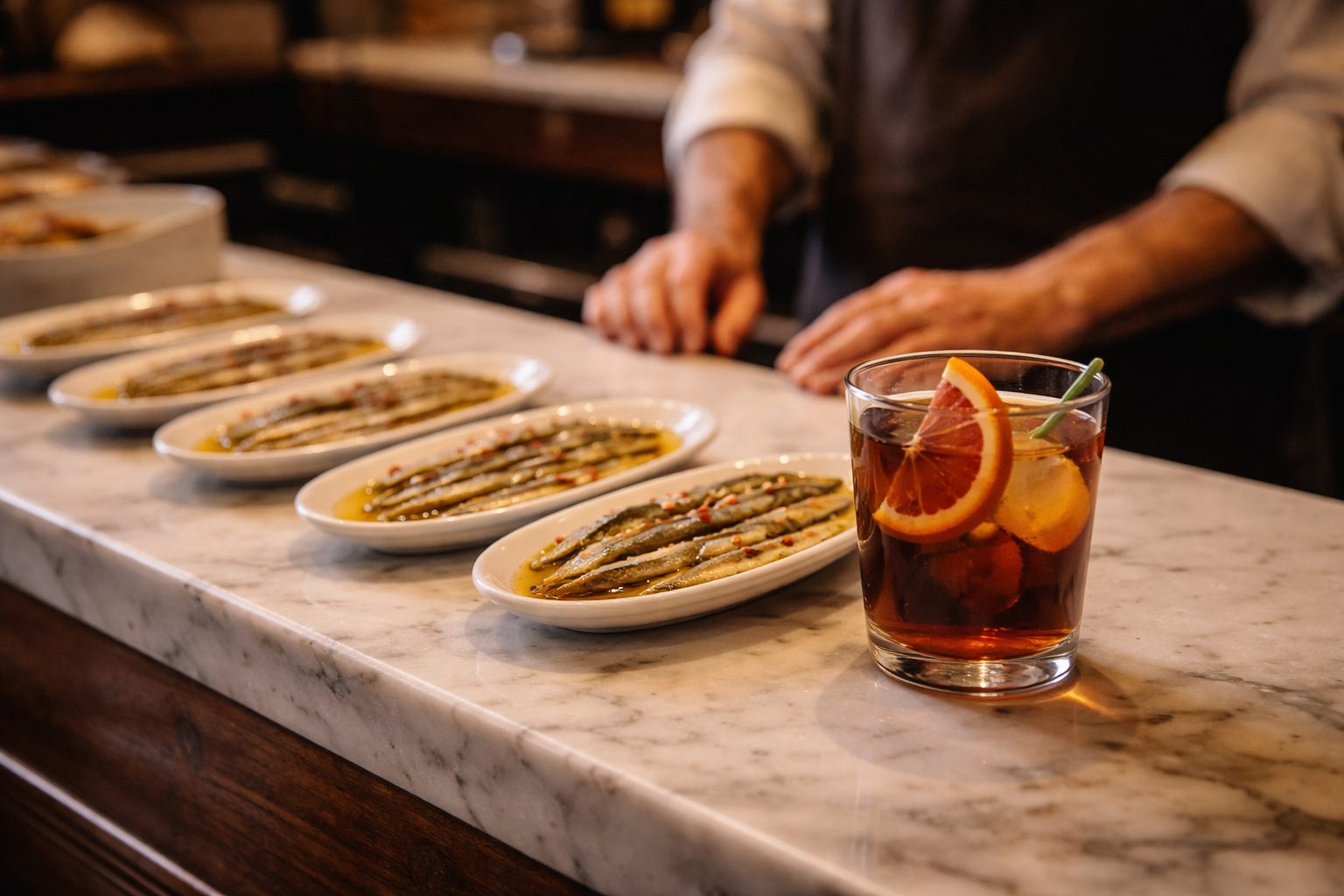
You’ll smell it before you see it: the salt-and-iron tang of freshly shucked clams, the smoke of jamón being carved against the grain, the particular dark sweetness of Catalan vermut poured over ice with a slice of blood orange. Barcelona’s food culture is sophisticated and territorially proud in equal measure, and almost none of its best expressions happen anywhere near La Barceloneta’s seafood tourist trap.
Begin at the Mercat de l’Esperança in Gràcia, open Tuesday through Saturday, a neighbourhood market that has operated without interruption since 1888. Unlike La Boqueria — which closed its stalls to itinerant tourists in 2018 and remains primarily a spectacle of pre-cut fruit cups sold at four times market price — l’Esperança functions as a genuine provisioning market. The fishmonger section opens at 7am; by 8am local residents are negotiating over the calamar and the day’s catch from Palamós.
For tapas, the city’s most important distinction is between tourist-facing operations and bar-a-bares — the stand-up counters that serve a working clientele. Bar Marsella in the Raval, open since 1820 and claiming to be Barcelona’s oldest bar, serves absinthe from bottles so old the liquid has caramelised into amber. Can Cisa at Carrer de la Princesa 40 in El Born is among the city’s finest natural wine bars, with a list built entirely from small Catalan and Spanish producers and a kitchen that closes when the food runs out rather than at a scheduled hour.
Vermouth culture — the fer el vermut ritual mentioned earlier — deserves its own navigation. The canonical vermouth is Yzaguirre, produced since 1884 in the Priorat wine region, served on tap at traditional bars throughout the Eixample and Gràcia. The hour is between noon and 2pm on Saturdays and Sundays; the accompaniment is always anchovies in oil, potato chips, and conversation. Bar Calders on Carrer del Parlament in Sant Antoni has been widely credited with accelerating the vermouth revival in the early 2010s and remains the most convivial introduction to the ritual.
For a deeper look at Catalan cuisine, consider booking a session at the Escola de Cuina Bettonica (escolabettonica.com), which runs Saturday morning market-and-cook experiences from €85 per person that begin at the Mercat de Sant Antoni — a beautifully restored 1882 iron market hall — and end with a three-course lunch you have cooked yourself.
Day Trips from Barcelona Only Locals Know About
You will have heard of Montserrat. You may have been warned that its rack railway is frequently overwhelmed by tour-group volumes. What you will not have heard, unless you have local contacts, is that the mountain is best accessed on the first FGC train from Plaça Espanya (departing 6:36am on weekdays), when the monastery is quiet, the air still smells of pine resin, and the hiking trails to Sant Joan and Sant Jeroni are yours entirely. The return fare costs €25.55 including the rack railway; the Sant Joan hermitage hike is 3.5 kilometres each way.
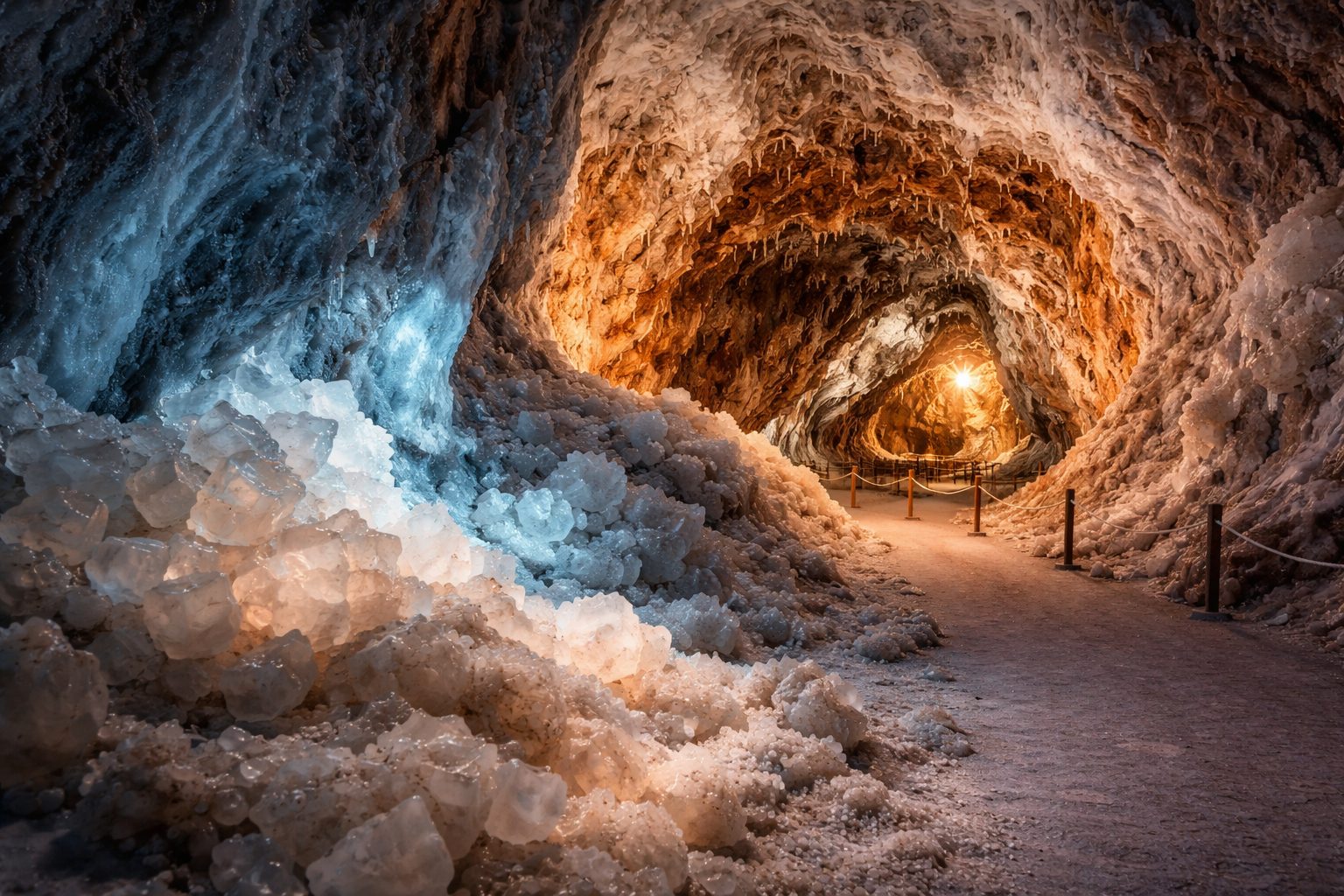
Masía de Can Cortada aside, the single most rewarding day trip from Barcelona in 2026 is Cardona, 98 kilometres north by regional train or car. Its medieval salt mountain — the Muntanya de Sal — is a UNESCO Geopark site where crystalline formations of halite, created over 30 million years, produce an interior landscape that resembles nothing else in Europe. The Parador de Cardona, a 9th-century castle hotel that rises above the town, serves a weekday lunch menu for €28 that includes local botifarra sausage and Bages wine. The R4 regional train from Passeig de Gràcia reaches Manresa in 1 hour 20 minutes; Cardona is then a 30-minute taxi or bus ride.
Deltebro and the Ebro Delta — three hours south by train but a world apart — is where Barcelona’s chefs source their rice and their eels. The delta is a wetland wilderness of 320 square kilometres, home to 300 species of bird and some of the finest Arròs de l’Ebre (Ebro rice dishes) on the planet. The village of Deltebre has no tourist infrastructure to speak of: one boat company runs guided canal tours for €7, and the restaurant Can Bep de la Ileta serves a delta-sourced tasting menu for €35 that includes cloïsses (clams), smoked eel, and a rice cooked in eel stock that will dismantle every assumption you hold about paella.
Closer to the city, Sant Pau de Mar on the Maresme Coast is forty-one minutes by R1 regional train from Barcelona-Sants station and utterly unknown to international visitors. Its beach is clean, its promenade free of souvenir shops, and its Sunday morning market — held in the shaded square beside the 18th-century church — sells produce from the volcanic soil of the Maresme, including the tomàquet de penjar (hanging tomato) that defines Catalan cuisine’s pa amb tomàquet bread ritual.
Where to Stay in Barcelona Like a Local
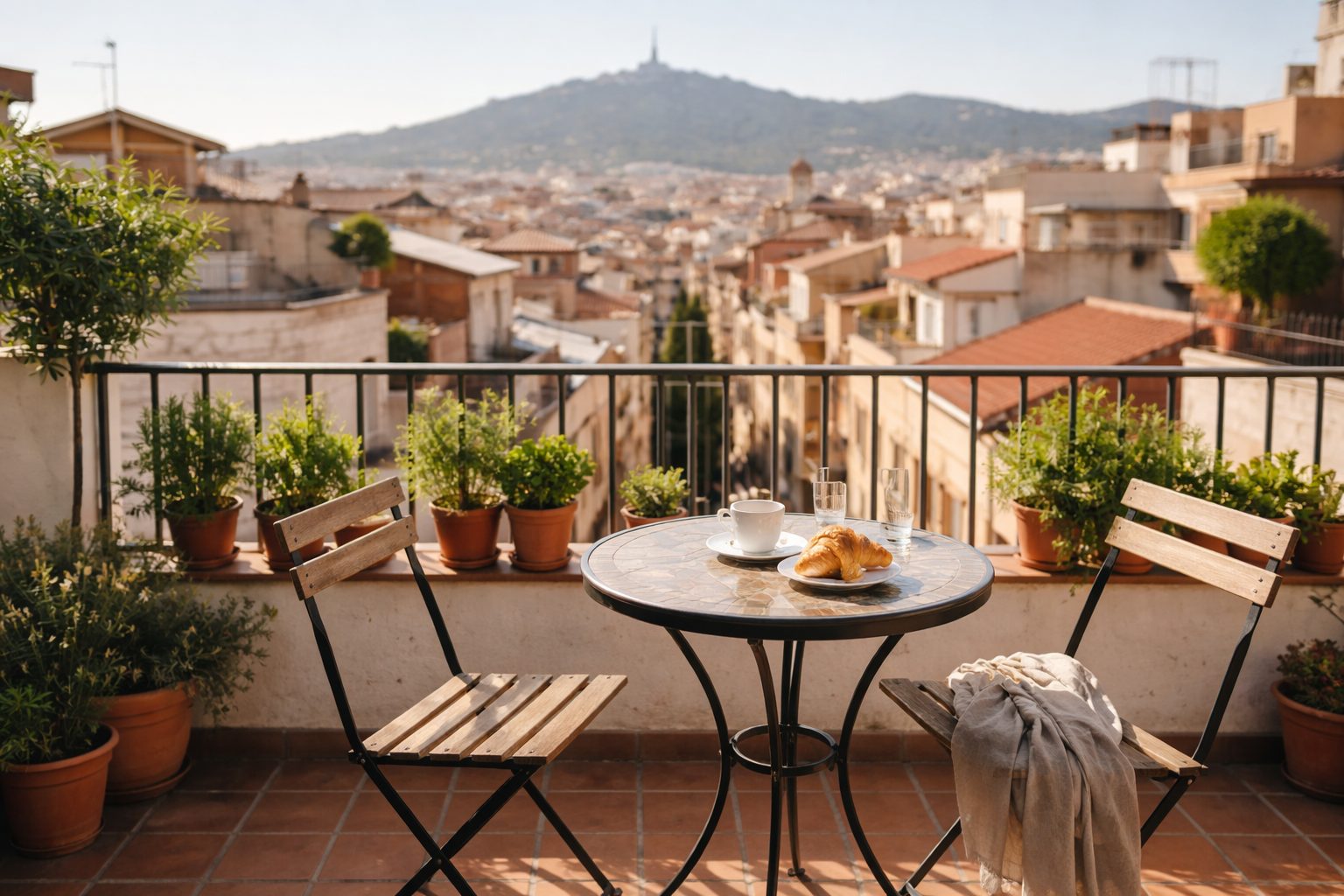
You’ll sleep better — and live more authentically — outside the Gothic Quarter and Barceloneta. The neighbourhoods that offer the highest ratio of genuine local experience to accommodation quality in 2026 are Gràcia, Sant Antoni, and Poble Sec, all within fifteen minutes of the city centre by metro or on foot.
In Gràcia, a cluster of boutique hotels and design-forward apartments has emerged along Carrer de Verdi and its tributaries. The neighbourhood’s position between Park Güell (a five-minute walk to the upper entrance on Carrer d’Olot, often queue-free) and the Eixample’s restaurant spine means that guests have access to both green space and gastronomy without fighting the Las Ramblas crowd. Apartment rentals in Gràcia via vetted platforms typically run €90–€140 per night for a one-bedroom in 2026, compared to €180–€250 for equivalent space in the Gothic Quarter.
Sant Antoni, once Barcelona’s overlooked working-class neighbourhood, is now the city’s most interesting food and design district. Its anchor, the restored Mercat de Sant Antoni — a Modernista iron market hall opened in 1882 and restored between 2009 and 2015 — hosts a weekend book market under its exterior arcades that has been running since 1978. Hotels in Sant Antoni benefit from immediate access to the L2 metro line and walking proximity to Montjuïc, the MNAC museum (Museu Nacional d’Art de Catalunya), and the Fundació Joan Miró.
For travellers seeking a self-catered stay that replicates genuine Barcelona domestic life, Poble Sec apartment rentals offer the best value in the city for the experience. The neighbourhood sits on the metro L3 line (green), with Paral·lel station connecting directly to the Aeri del Port cable car, Barceloneta, and the airport bus interchange at Plaça de Catalunya in under 25 minutes. Average 2026 nightly rates for a full apartment with terrace in Poble Sec run €75–€110, making it the most cost-effective neighbourhood for stays of four nights or more.
For the most immersive experience, look for accommodation certified by the Barcelona Turisme Responsable programme, which audits properties for noise control, water consumption, and neighbourhood impact. Properties carrying this certification are listed at meet.barcelona.cat.
Navigating Barcelona Without Getting Ripped Off
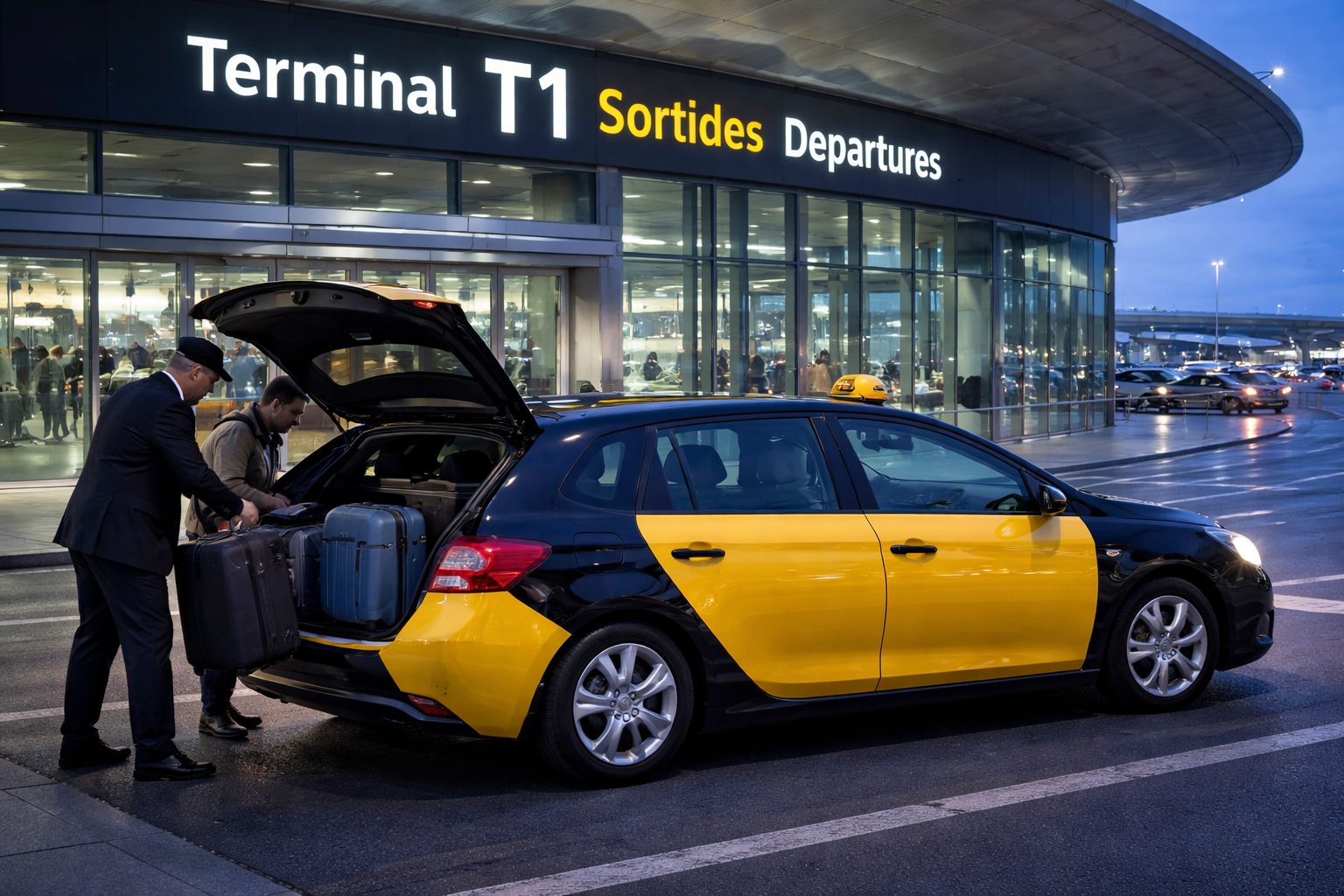
You’ll encounter three moments of maximum vulnerability as a visitor to Barcelona in 2026: the taxi rank outside Barcelona El Prat Airport Terminal 1, the menus printed in English along Las Ramblas, and the unlicensed ‘guided tour’ operators who cluster around the entrance to Park Güell. Each is navigable with specific knowledge.
At El Prat Airport, official taxis operate on a fixed tariff from both Terminal 1 and Terminal 2 to central Barcelona: €39 flat rate, inclusive of luggage and airport supplement, regulated by the Metropolitan Taxi Authority (imet.cat). Any driver quoting above this rate before the journey begins is operating outside the tariff. Alternatively, the Aerobus A1 service departs from Terminal 1 every 5–10 minutes between 5:35am and 1:05am, costs €6.75 single or €10.65 return, and reaches Plaça de Catalunya in 35 minutes. For groups of three or more, a licensed private transfer — bookable in advance through vetted operators — frequently undercuts both the taxi tariff and the per-person Aerobus cost.
On Las Ramblas and in the Gothic Quarter, the rule is simple: any restaurant displaying its menu in more than four languages on a laminated card is pricing for tourists, not residents. A two-course menú del día with wine and bread — the standard weekday lunch format throughout Catalonia — should cost between €11 and €16 in 2026. Above €20 and below Michelin recognition, you are paying a tourist premium. Walk one block in any direction from Las Ramblas and the menú del día price drops immediately.
The Barcelona T-Casual card (formerly T-10) covers ten single-zone trips on metro, bus, and FGC train for €12.15, purchasable from any metro station machine or at estancs (licensed tobacco shops) throughout the city. It is validated per journey, is transferable between multiple passengers on the same transaction, and represents the single most cost-effective way to move around the city. The T-Usual monthly card at €40 is worth purchasing for stays of ten days or more.
Pickpocketing on La Rambla and on the L3 metro line between Drassanes and Liceu stations remains the most commonly reported crime against tourists in Barcelona, according to the Mossos d’Esquadra’s 2024 annual report. Distribute valuables between a neck wallet and a bag with a zip closure; avoid the outside pockets of backpacks entirely on crowded metro platforms. These are not dramatic precautions — they are the same habits that Barcelona residents apply without thinking.
Barcelona Hidden Gems Budget Guide 2026
You’ll find that Barcelona rewards financial intelligence as much as cultural curiosity. With a daily budget of €80–€120 per person (excluding accommodation), it is entirely possible to eat and drink at the level locals aspire to — and to access the city’s most significant cultural institutions without over-spending.
Museum strategy: the Museu Nacional d’Art de Catalunya (MNAC) on Montjuïc offers free entry every Saturday after 3pm and all day the first Sunday of each month, giving access to the finest collection of Romanesque art in the world, housed in the 1929 Palau Nacional. The Fundació Joan Miró (fundaciomiro-bcn.org) offers a 20% discount on advance tickets booked online; standard adult entry is €14 in 2026. The Museu Picasso at Carrer de Montcada 15–23 in El Born offers free entry on Thursday evenings from 5pm to 9pm — arrive at 4:45pm to avoid the queue that forms at the gate.
Food budget benchmarks for 2026:
– Espresso at a local bar, €1.30–€1.60 (standing at the counter)
– Croissant de mantequilla from a neighbourhood pastisseria, €1.80–€2.20
– Menú del día two courses with wine, €12–€16
– Pintxos at Carrer de Blai bars in Poble Sec, €1.50 each
– Glass of house cava at a neighbourhood bar, €3–€4
– Craft beer at a Gràcia microbrewery, €4.50–€6
Transport costs:
– T-Casual card, €12.15 for ten trips
– Aerobus return, €10.65
– FGC day pass covering Montserrat rack railway return, €25.55
– Cardona round trip by regional train to Manresa plus taxi, approximately €35–€42 per person
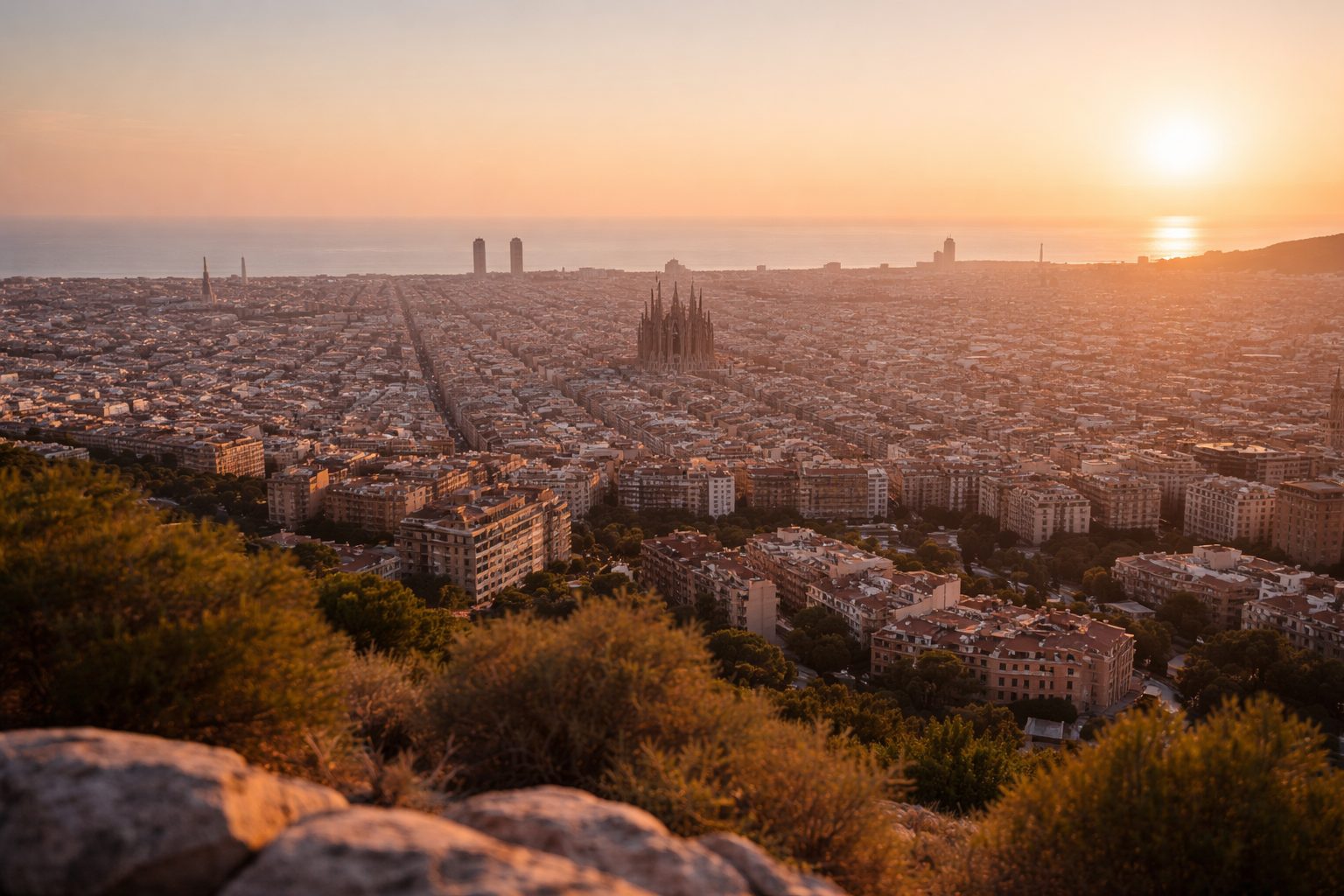
Free experiences that outperform paid alternatives: the Bunkers del Carmel (a Civil War anti-aircraft battery on Turó de la Rovira, accessible by Bus 24 from Passeig de Gràcia, free at all times) delivers a panoramic view of the entire city and the sea that is, by near-universal consensus of resident photographers, superior to any paid viewpoint. Parc de la Ciutadella on a Sunday morning — families, musicians, rented rowboats on the lake — is Barcelona at its most generously public. The Barceloneta beach at 7am in June, before the masses arrive, is a reminder that the Mediterranean is still, at its core, a gift.
The cumulative lesson of travelling Barcelona as its residents do is not about deprivation or obscurantism. It is about calibration — knowing which €16 lunch will be the meal you describe for years, and which €40 tourist menu you will have forgotten before the plane lands.
Frequently Asked Questions
The most rewarding off-the-beaten-path experiences in Barcelona in 2026 include the Palau del Baró de Quadras (free entry, extraordinary Modernisme architecture by Puig i Cadafalch), the Mercat de Santa Caterina in El Born (Enric Miralles’s mosaic-roofed neighbourhood market), Refugi 307 in Poble Sec (a 1936 Civil War air-raid shelter with guided tours from €8), and the Cementiri de Poblenou (a free 18th-century cemetery with remarkable funerary sculpture). The Bunkers del Carmel anti-aircraft battery on Turó de la Rovira delivers the finest city panorama in Barcelona entirely free of charge.
El Born, Gràcia, Poble Sec, and Sant Antoni are the four neighbourhoods that Barcelona residents most consistently identify as authentically local in 2026. El Born offers the Mercat de Santa Caterina and the Gothic Basílica de Santa Maria del Mar. Gràcia is built around convivial neighbourhood squares and a strong vermouth culture. Poble Sec hosts Carrer de Blai’s pintxos bars and the historical Refugi 307. Sant Antoni anchors around the restored 1882 Mercat de Sant Antoni and a thriving restaurant and design district.
The Barcelona T-Casual card (ten single-zone trips for €12.15) is the most cost-effective transit option for stays of up to one week and covers metro, bus, and FGC suburban rail. It can be purchased at any metro station machine or licensed estanc (tobacco shop). For airport transfers, the Aerobus A1 from Terminal 1 to Plaça de Catalunya costs €6.75 single and runs every 5–10 minutes from 5:35am to 1:05am. The official taxi flat rate from the airport to central Barcelona is €39, regulated by the Metropolitan Taxi Authority.
The most rewarding local-favourite day trips from Barcelona in 2026 are Cardona (98 km north, famous for its 30-million-year-old salt mountain UNESCO Geopark site and medieval Parador castle), the Ebro Delta near Deltebre (3 hours south, a 320-square-kilometre wetland and the source of Barcelona’s finest rice and seafood), and Sant Pau de Mar on the Maresme Coast (41 minutes by R1 train, a clean beach with Sunday produce market and no tourist infrastructure). Montserrat is best experienced on the earliest FGC train from Plaça Espanya (departing 6:36am on weekdays) to avoid tour-group congestion.
Barcelona is a safe city for tourists, but pickpocketing is the most commonly reported crime against visitors, concentrated on La Rambla and the L3 metro line between Drassanes and Liceu stations, according to the Mossos d’Esquadra’s 2024 annual report. The most effective precautions are distributing valuables between a neck wallet and a zip-closure bag, avoiding the exterior pockets of backpacks on crowded platforms, and staying alert at tourist chokepoints like the Boqueria entrance and Park Güell gates. These are the same habits Barcelona residents maintain as a matter of routine.
The Museu Nacional d’Art de Catalunya (MNAC) is free every Saturday after 3pm and all day on the first Sunday of each month. The Museu Picasso at Carrer de Montcada 15–23 in El Born offers free evening access every Thursday from 5pm to 9pm — arriving at 4:45pm is recommended to secure entry before the queue forms. The Fundació Joan Miró offers a 20% discount on advance tickets booked online at fundaciomiro-bcn.org. These represent the most significant cultural institutions in the city accessible at reduced or no cost.
