
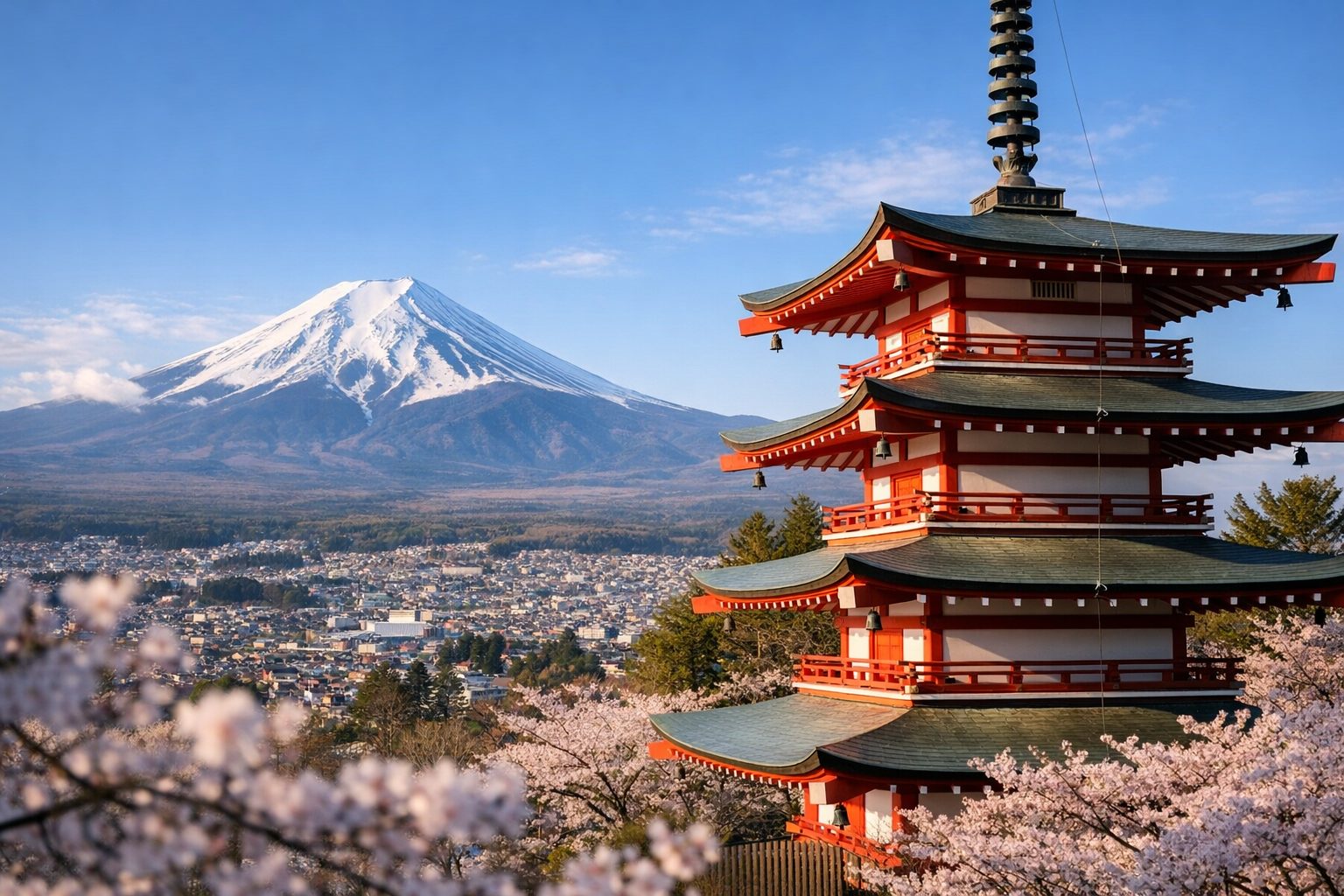
Japan Travel Guide 2026: The Ultimate Planner for Your Trip
Japan is having a moment. After the tourism boom of 2024-2025, the country has polished its welcome mat even further for international visitors. New subway lines connect Haneda to downtown Tokyo in record time. English signage is everywhere. And the yen? Still favorable for travelers from the US and Europe, making 2026 one of the most affordable years to visit in recent memory.
Whether you’re a first-time visitor or a Japan veteran returning for another taste, this guide covers everything you need to plan an unforgettable trip. From cherry blossom timing to shinkansen passes, from Tokyo neon to Kyoto temples—we’ve got you covered.
Best Time to Visit Japan
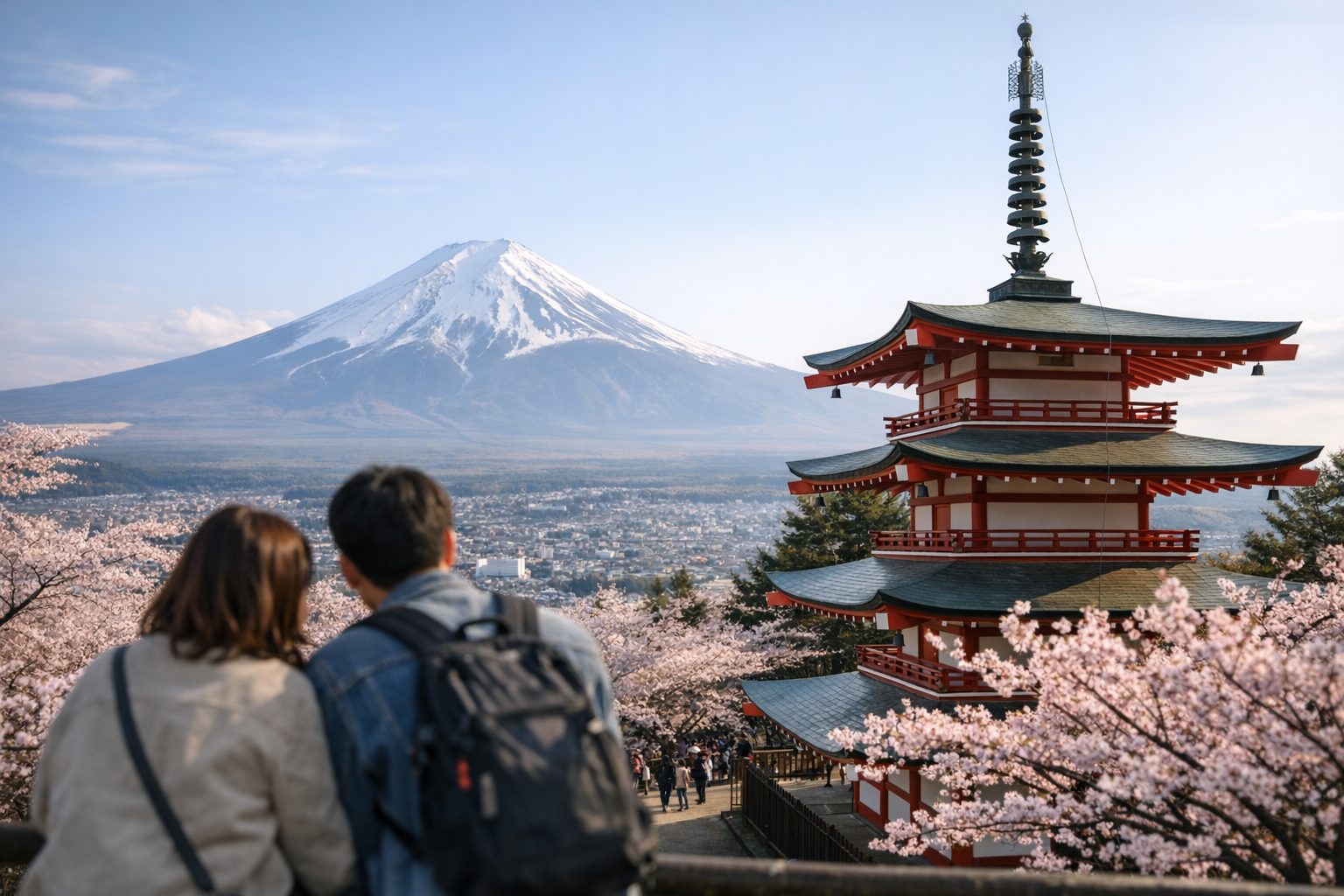
Timing makes or breaks a Japan trip. Here’s what each season offers:
Spring (March-May): Cherry blossom season is Japan’s biggest draw. Peak bloom in Tokyo usually hits late March, Kyoto in early April. The crowds are massive, but the experience is magical. Book accommodations 3-4 months ahead.
Summer (June-August): Hot and humid, especially in July. But summer brings festivals (Gion Matsuri in Kyoto, Tanabata in Sendai), fireworks, and the Obon holiday in mid-August when locals travel home.
Fall (September-November): Many consider this the ideal time. Temperatures cool, autumn colors paint the landscape in reds and golds, and tourist crowds thin after Labor Day. Late October through mid-November is spectacular.
Winter (December-February): Cold but clear. Snow in Sapporo creates winter wonderland scenes. Hot springs (onsen) feel extra inviting. Accommodation prices drop 20-30%.
2026 Specific Tip: Japan’s tourism board expects record crowds for the 2026 cherry blossom season. Reserve now for March-April 2026 travel.
Top Cities and Regions
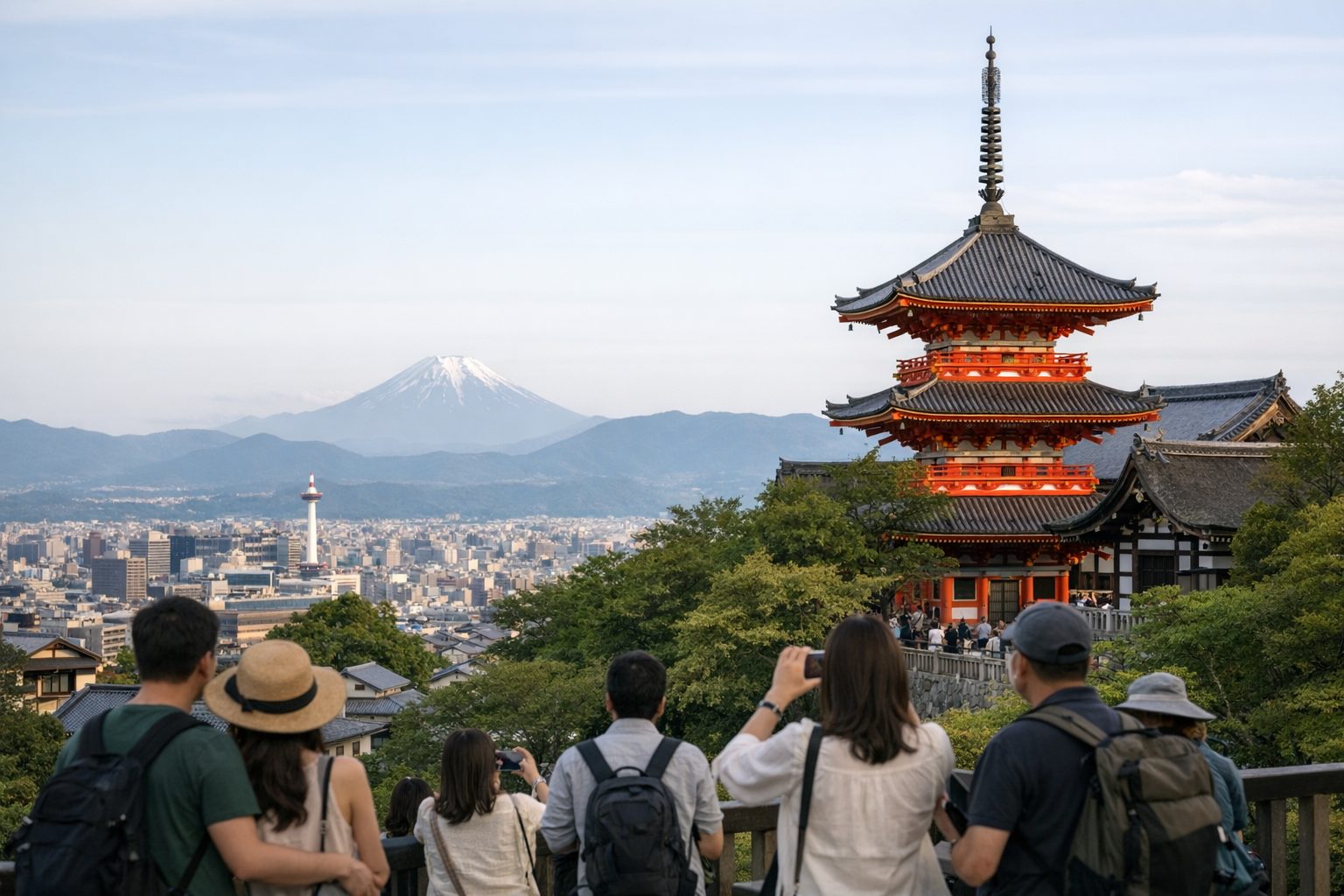
Tokyo
The capital is a universe unto itself. neighborhoods like Shibuya, Shinjuku, Harajuku, and Asakusa each feel like separate cities. Don’t miss:
- Shibuya Crossing: World’s busiest intersection
- Senso-ji Temple: Tokyo’s oldest temple
- Tokyo Skytree: Panoramic city views
- TeamLab Planets: Immersive digital art experience
Kyoto
Japan’s cultural heart houses over 2,000 temples and shrines. The Gion district offers glimpses of geisha. Bamboo groves in Arashiyama are iconic.
Osaka
Japan’s kitchen serves the best street food in the country. Universal Studios Japan’s Super Nintendo World is a hit with families. Osaka Castle provides history without the crowds of Kyoto temples.
Hiroshima and Miyajima
The Peace Memorial Park is a profoundly moving experience. A short ferry ride to Miyajima brings you to the floating torii gate at Itsukushima Shrine.
Nara
Home to friendly deer that bow for treats. Todai-ji Temple houses a massive bronze Buddha.
Getting Around Japan
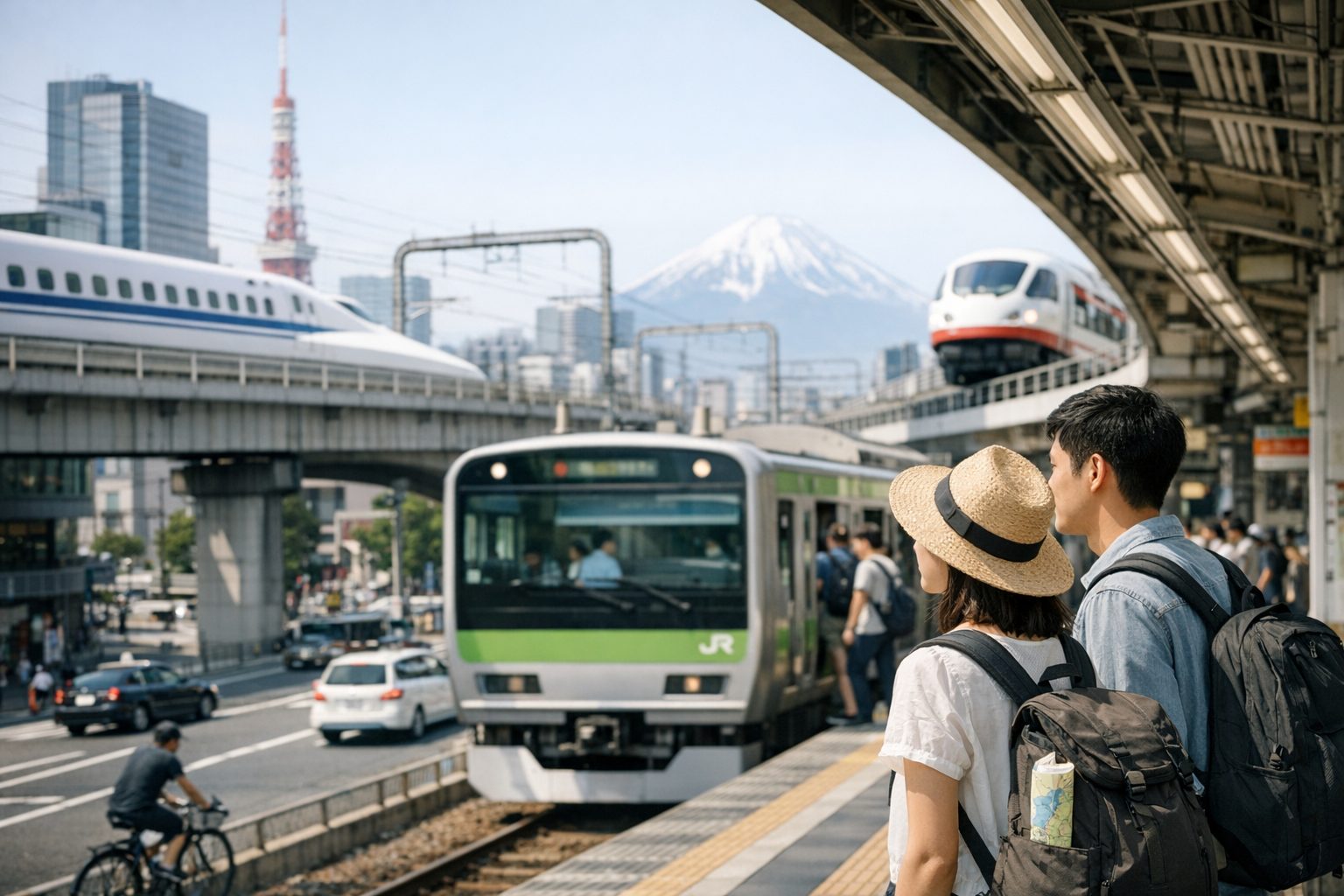
Japan’s public transportation is world-class, but navigating it requires some know-how:
JR Pass (Japan Rail Pass): If you plan intercity travel, this is essential. The 7-day pass costs about 20 for ordinary cars and covers JR lines nationwide, including shinkansen (bullet trains). Book online before arriving—it’s only available for purchase outside Japan.
Shinkansen (Bullet Trains): Fast, punctual, and comfortable. Tokyo to Osaka in 2.5 hours. No need to book months ahead except for peak seasons.
IC Cards: Get a Suica or Pasmo card at any station. These reloadable cards work for trains, buses, and convenience stores. Add money via vending machines or apps.
Local Trains: Within cities,主角地铁 and private lines get you everywhere. Google Maps works well for routing.
Domestic Flights: For long distances (Tokyo to Sapporo or Okinawa), flights can be cheaper than shinkansen. ANA and JAL offer competitive rates.
2026 Update: The new Tokyo-Haneda access line now connects the airport to downtown in 15 minutes. The JR Pass now includes more bus routes—check the updated coverage map.
Budget Tips for Japan
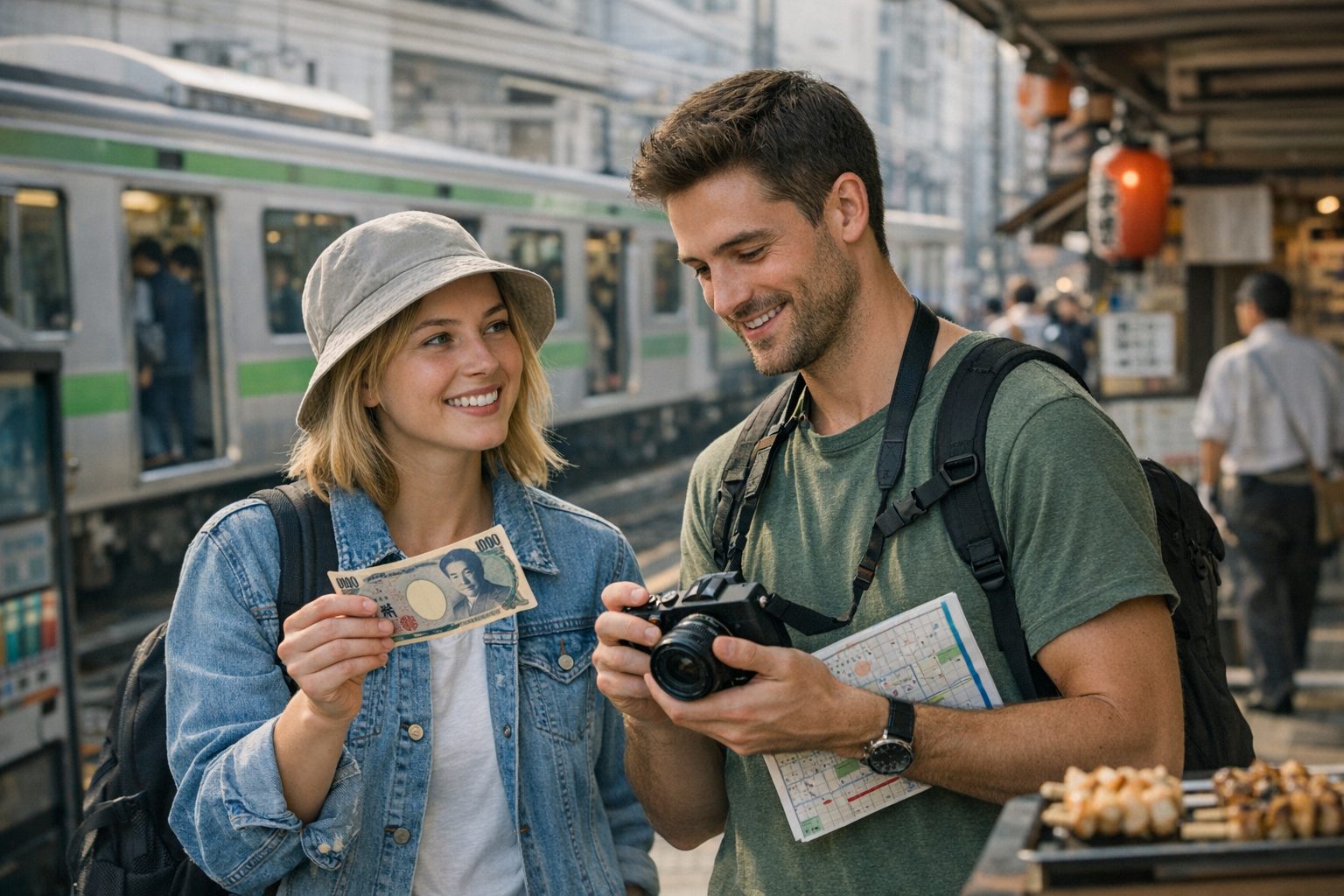
Japan has a reputation for being expensive—but it doesn’t have to be:
Accommodation:
- Business hotels (APA, Toyoko Inn): 0-100/night
- Capsule hotels: 5-40 for solo travelers
- Hostels: 0-35
- Ryokan (traditional inns): 00-300 splurge
Food:
- Convenience stores (7-Eleven, Lawson, FamilyMart) offer surprisingly quality meals for -8
- Ramen shops: -15
- Conveyor belt sushi: -5 per plate
- Department store food halls: 0-20 for excellent meals
Attractions:
- Many temples are free or -10
- Museum passes: Look for city-wide discount tickets
- National museums: 0-20
Average Daily Budget:
- Budget: 0-80/day
- Mid-range: 00-150/day
- Splurge: 00+/day
Cultural Etiquette Guide
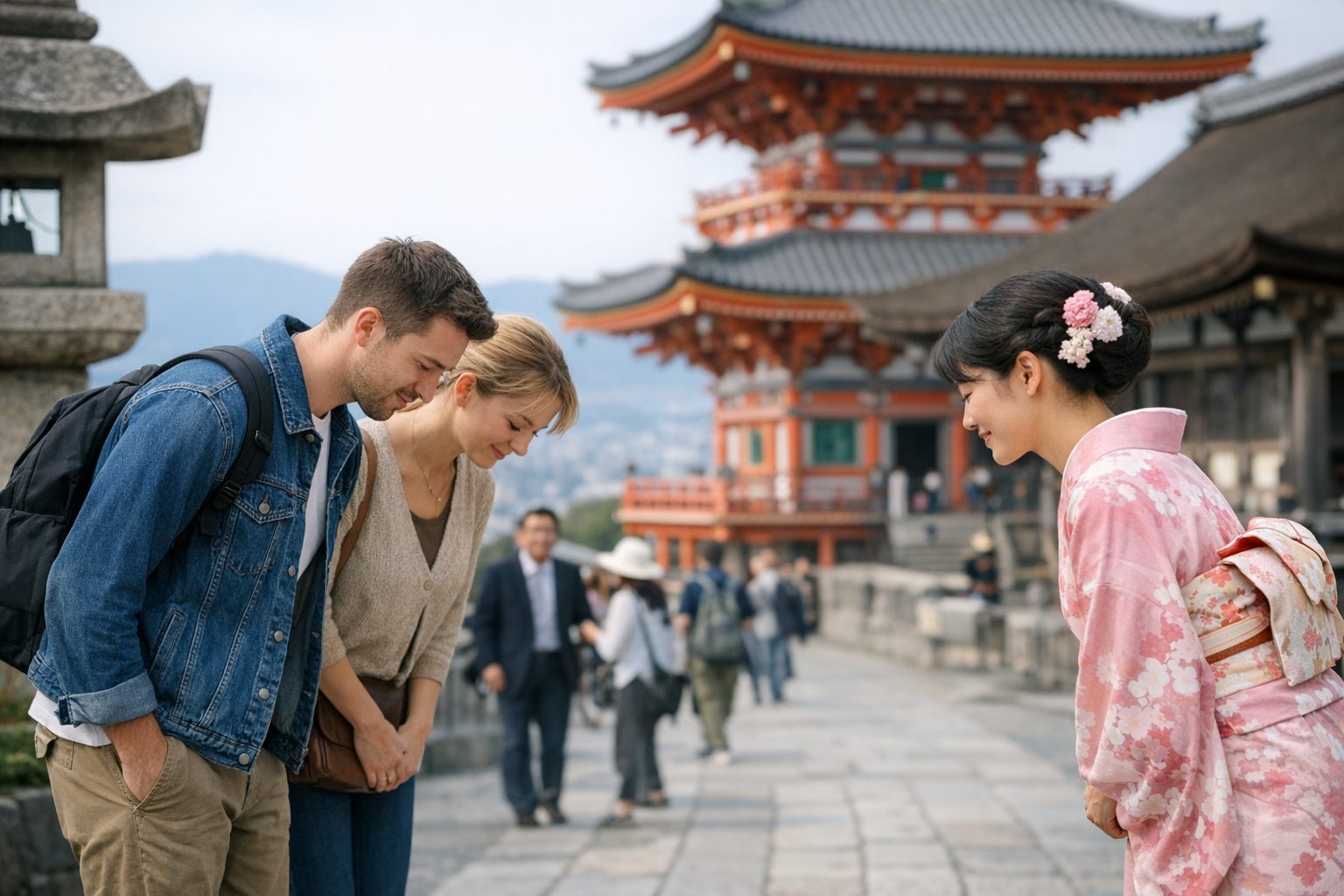
Japanese culture values harmony and respect. Here’s how to navigate:
Bowing: A slight nod is fine for casual situations. Deeper bows show respect—15-30 degrees for greetings, deeper for apologies.
Shoes: Always remove shoes when entering homes, temples, traditional restaurants, and ryokan. Look for shoe racks or lockers at entrances.
Tipping: Don’t do it. It’s not customary and can be confusing or rude. Great service is expected.
Chopsticks: Never stick chopsticks upright in rice (funeral ritual). Don’t pass food chopstick to chopstick.
Quiet Zones: Trains have quiet cars. Phone calls are frowned upon.
Temple Protocol: Purify hands at temizuya basins before entering. Pray briefly at main halls. Don’t take photos where prohibited.
2026 Update: More tourist-friendly signage now includes English, Chinese, and Korean. Many temples have dedicated photo zones for visitors.
Must-See Attractions
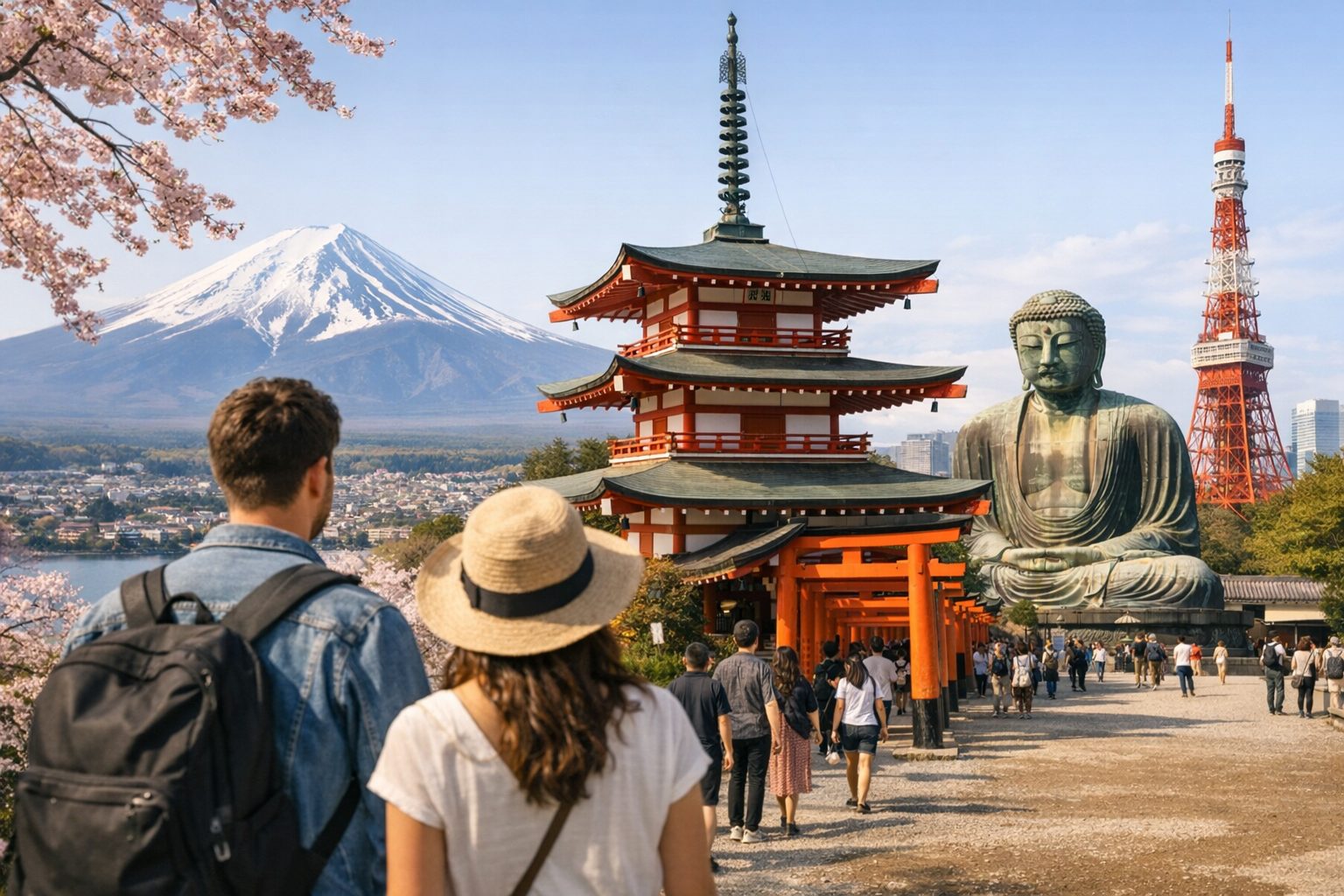
Fushimi Inari Taisha (Kyoto)
Thousands of vermillion torii gates wind up Mount Inari. Visit at sunrise or sunset to beat crowds.
Mount Fuji
Japan’s iconic symbol. Best views from the 5th Station (accessible by bus). Climbing season is July-September.
Universal Studios Japan (Osaka)
Super Nintendo World is the biggest draw. Book virtual queue spots early.
The Peace Memorial (Hiroshima)
A must-visit for anyone interested in history and peace. Plan half a day.
Naoshima Art Islands
Set of islands in the Seto Inland Sea dedicated to contemporary art. Unique museums and installations.
Tokyo Disneyland and DisneySea
DisneySea is uniquely Tokyo—worth a day if you’re into theme parks.
Conclusion: Your 2026 Japan Adventure
Japan in 2026 is more accessible than ever. English is widely understood, transportation is intuitive, and the country’s hospitality culture means you’ll be well cared for wherever you go.
Start planning now. Book your JR Pass, reserve peak-season accommodations, and get ready for one of the world’s most rewarding travel destinations.
Quick Checklist:
- [ ] JR Pass (if traveling between cities)
- [ ] IC card for local transit
- [ ] Comfortable walking shoes
- [ ] Portable WiFi or eSIM
- [ ] Cash (still widely used)
- [ ] Travel insurance
Safe travels and enjoy your Japanese adventure!
Ready to start planning? Check out our complete Japan itinerary templates and book your flights.
