
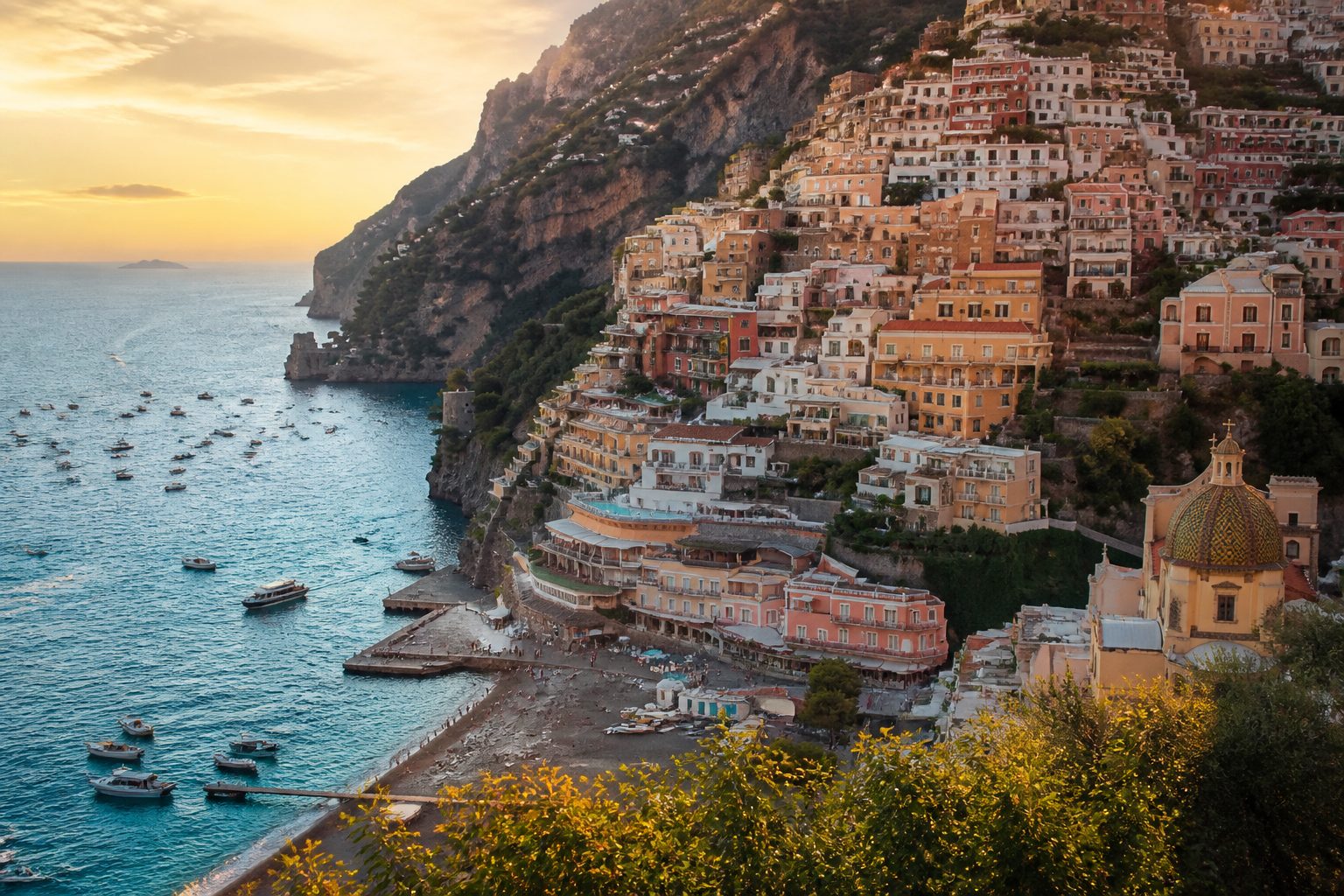
Amalfi Coast Slow Travel: Why This Coastline Rewards Patience
The moment you round the first hairpin bend of the SS163 and the Tyrrhenian Sea tears open below you, sapphire, blinding, impossibly still, you’ll understand why hurrying through the Amalfi Coast is a particular kind of crime. This 50-kilometre stretch of the Sorrentine Peninsula, designated a UNESCO World Heritage Site in 1997, is not a checklist destination. It is an atmosphere. A mood. A way of being that asks you to let the afternoon light lengthen over ancient lemon groves before you even think about moving on.
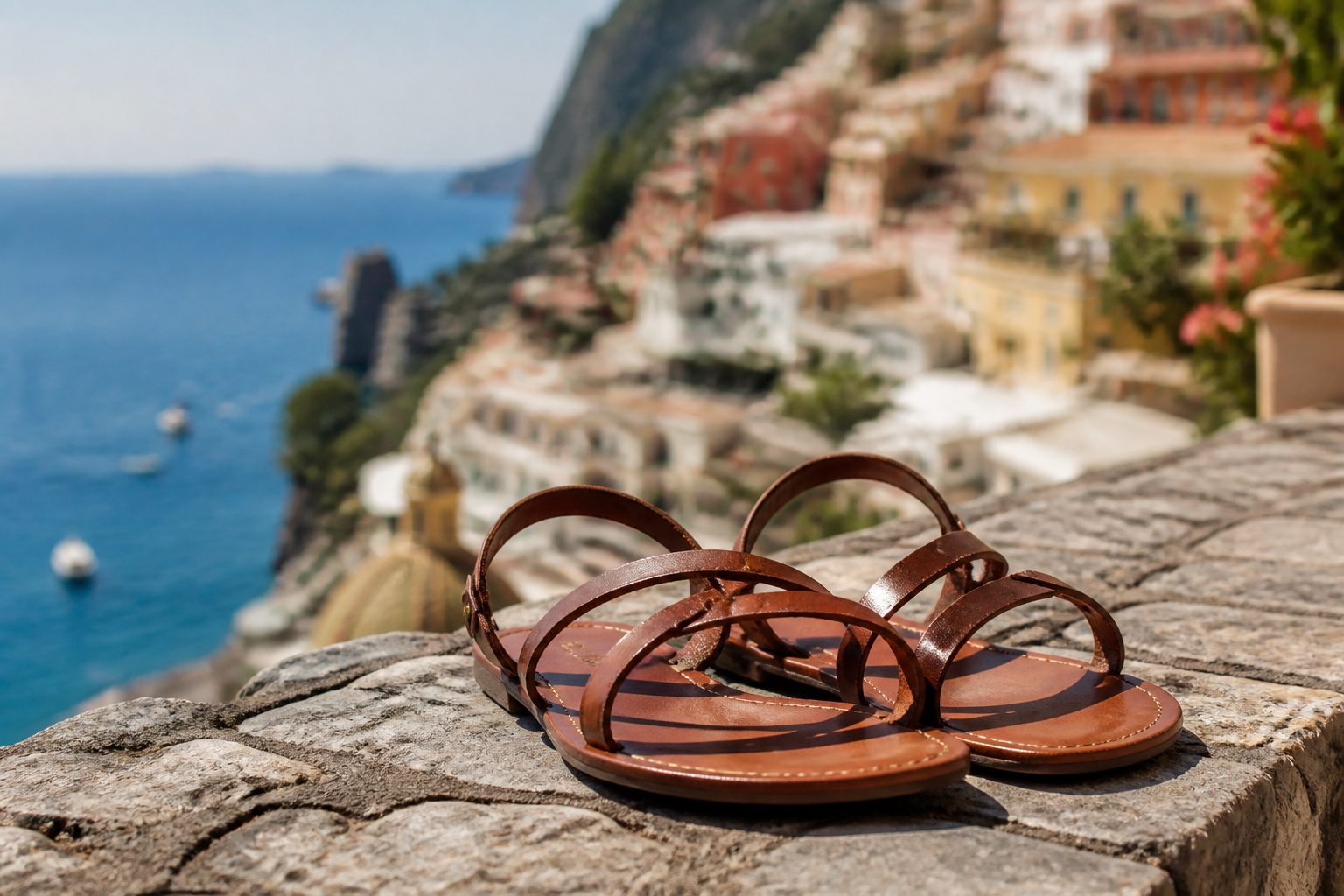
Slow travel fits the Amalfi Coast like a hand-stitched leather sandal from one of Positano’s bespoke cobblers on Via dei Mulini. It means spending two nights in a single town rather than racing between scenic overlooks. It means eating colatura di alici in Cetara rather than photographing it. It means arriving in Ravello on a weekday morning, before the tour buses have climbed the Valle del Dragone, and finding Villa Rufolo’s gardens entirely your own.
This 2026 Amalfi Coast travel guide is built around that premise. You’ll move deliberately, with the kind of attention that transforms a holiday into something you reconstruct in memory for decades. The itinerary spans seven days and seven nights — the true minimum this coastline deserves — moving east from Positano through Praiano, Amalfi, and Ravello, with a parting-morning detour into the working fishing village of Cetara before you return north to Naples or Rome.
The good news for 2026 travellers is that the shoulder seasons on this coast are longer and more generous than ever. The Italian government’s ongoing investment in ferry infrastructure and the expansion of SITA Sud bus services on the SS163 have made car-free itineraries more practical than at any point in the past decade. You can do this journey beautifully, slowly, and almost entirely without a steering wheel.
Amalfi Coast Itinerary 2026 at a Glance
Seven days flows like this: two nights in Positano, one night in Praiano, two nights in Amalfi town, and two final nights elevated above everything in Ravello — with a last-morning detour through Cetara before you head north. This Positano Amalfi itinerary assumes you’re arriving by private transfer from Naples Capodichino Airport, roughly a 90-minute drive under normal conditions, or approximately 65 minutes by hydrofoil from Molo Beverello to Positano’s harbour in the warmer months when ferry services operate at full frequency.
For deeper logistics on getting from Naples to the coast (including a comparison of private sedans, shared shuttle costs, and ferry timetables), explore our full guide to Italy private transfers at travelsfy.com/italy-private-transfers, where we’ve mapped out door-to-door options for every budget.
The itinerary is optimised for the shoulder seasons of late April through June 2026, or September through mid-October 2026. During these windows, hotel rates drop 20 to 40 percent compared to August peaks, the ferry queues at Positano’s small harbour are refreshingly short, and the light — lower, warmer, more golden — is frankly superior for everything. If August is your only option, book accommodation no later than January 2026 and accept that high summer on the Amalfi Coast is its own peculiar, overcrowded, magnificent form of beautiful chaos.
Compare prices · Free cancellation on most rooms
Days 1–2 in Positano: The Town That Hangs Over the Sea
You won’t fully grasp Positano’s geometry until you’re standing on your hotel terrace, watching the town cascade down the cliff face in stacked layers of terracotta, blush pink, and sun-bleached white. It is, famously, a vertical town. John Steinbeck wrote in 1953 that it bites deeply, and it makes a physical demand of you from the very first morning. Embrace it. The stairways are the experience.
Spend your first day doing almost nothing deliberately. Walk Spiaggia Grande before ten o’clock, when the sun-lounger operators are still unfolding umbrellas and the sea is glass. Take an espresso at Bar Internazionale on Piazza dei Mulini, which has served the village since the 1950s. In the afternoon, climb the pedestrian stairways above the main shopping street to the church of Santa Maria Assunta, whose 13th-century Byzantine icon of the Black Madonna is considered the spiritual protector of the town. The majolica-tiled dome has been photographed more times than anyone has thought to count, but from the church interior, looking out through the arched doorway toward the open sea, the view is something that no photograph has yet successfully contained.
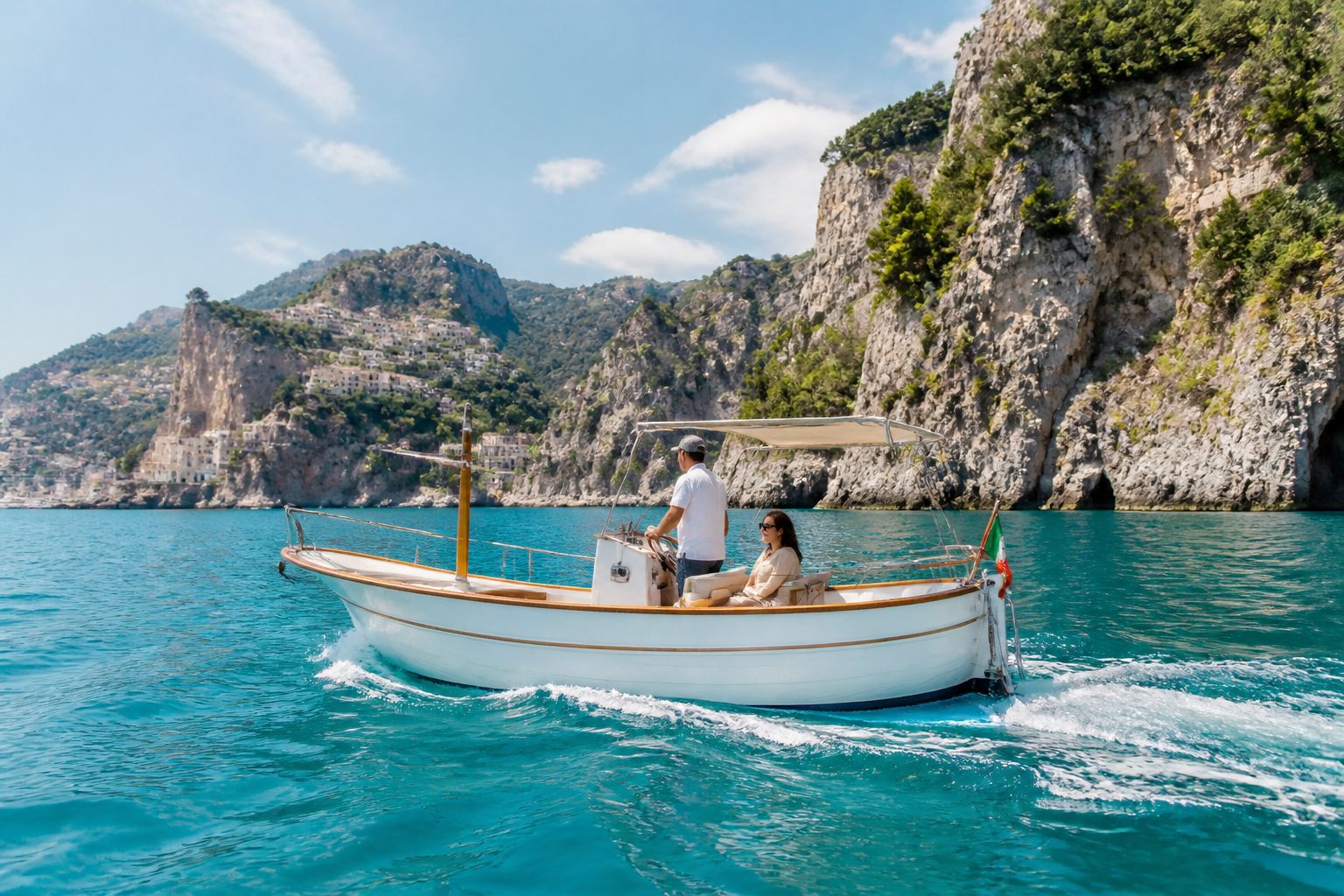
On your second day, hire a small wooden gozzo boat from Positano’s harbour — reputable operators including Blue Star Positano offer half-day rentals with or without a skipper — and follow the coastline west past the cliffs of Arienzo and the sea caves accessible only by water. Pack a bottle of Campanian prosecco and the mozzarella di bufala you bought from the deli on Via dei Mulini that morning. Eat it on the boat with your feet trailing over the gunwale and the Tyrrhenian impossibly warm beneath you. Not every meal needs a restaurant.
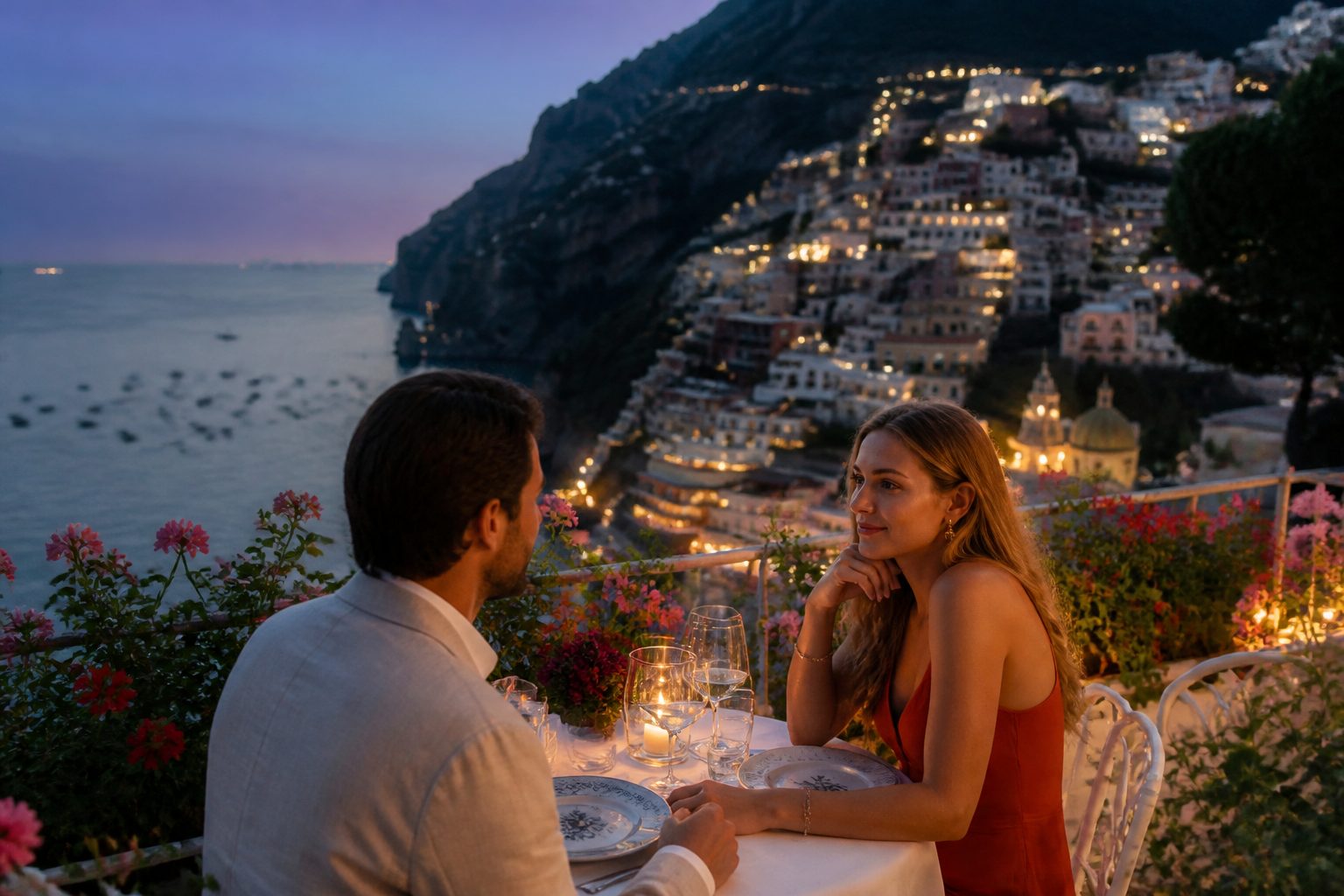
In the evenings, eat on the terraced side streets above the beachfront strip rather than at the waterfront restaurants. The kitchens source from the same markets, the views over the bay are better from elevation, and the price differential between a terrace table at mid-height and a beachfront table is consistently 15 to 25 percent in favour of altitude.
Compare prices · Free cancellation on most rooms
Day 3 in Praiano: The Amalfi Coast’s Best-Kept Secret
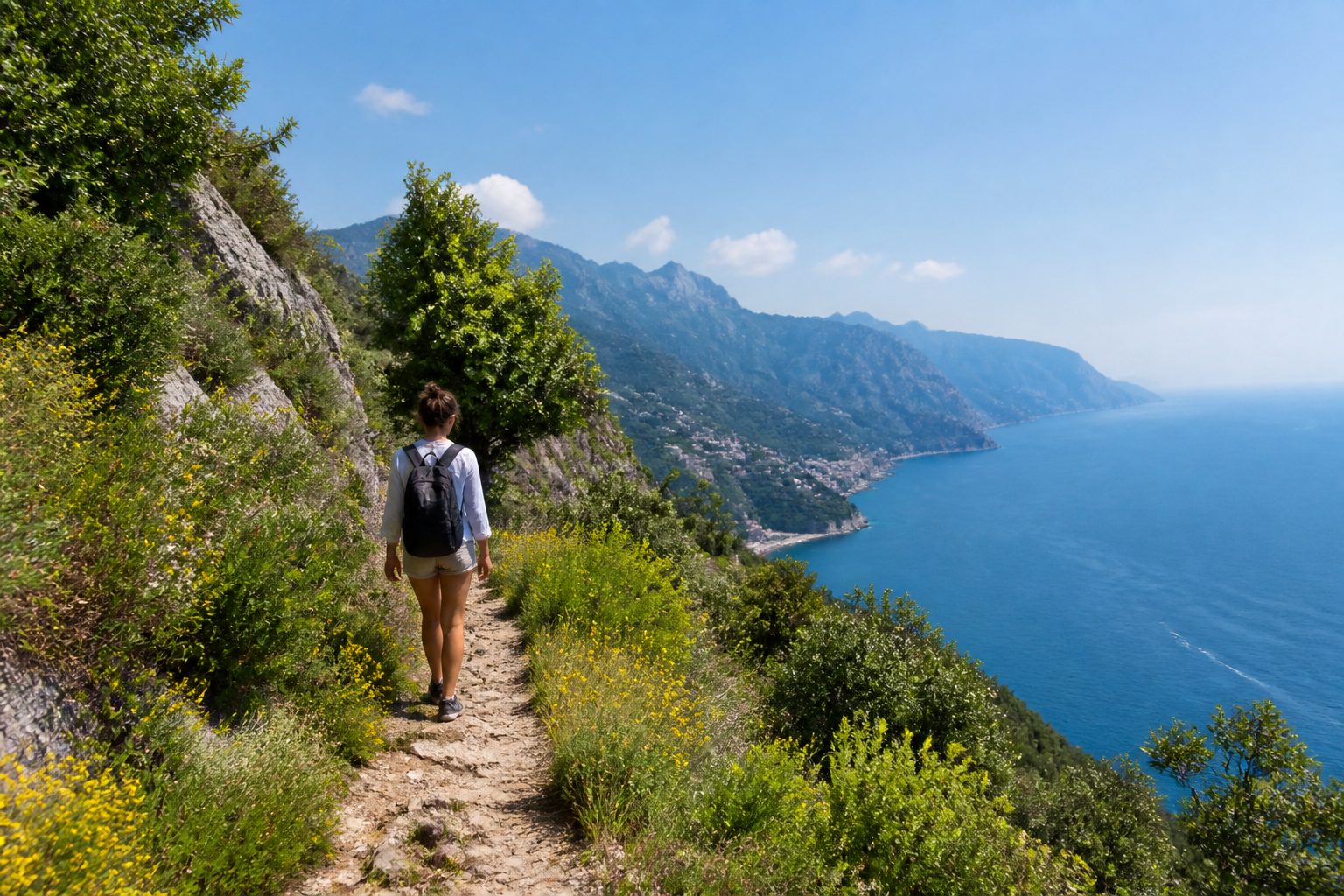
Five kilometres east of Positano along the SS163, Praiano sits on its promontory so quietly that first-time visitors sometimes wonder whether they’ve made a wrong turn. They haven’t. They’ve found the version of the Amalfi Coast that the Amalfi Coast used to be before the internet found it.
The fishing village has fewer than 2,000 permanent residents and a single spine road (the Via Roma) threading between the 16th-century church of San Gennaro, with its distinctive yellow-and-green majolica dome, and a scattering of family-run restaurants and small agriturismos. The beach at Marina di Praia is a narrow strip of dark pebbles tucked into a dramatic gorge, surrounded by former fishermen’s storage rooms converted into rental apartments that book out months in advance. Swim here early, before the footpath from the road becomes a queue.
Spend the morning on the opening section of the Sentiero degli Dei — the Path of the Gods — which begins near Praiano’s upper village and climbs through abandoned lemon terraces to a ridge that genuinely feels like the edge of the world. The full trail runs approximately 7.8 kilometres between Agerola and Nocelle above Positano, but the first two kilometres above Praiano deliver the most concentrated drama on the entire coast: limestone walls dropping away to the sea on your left, wild oregano and rosemary underfoot, and a horizon so clean it looks rendered. Wear proper trail shoes. This is not terrain for espadrilles.
In the early afternoon, board the eastbound SITA Sud bus toward Amalfi town. You’ll arrive with enough time to check in, shower the trail off, and walk the Piazza del Duomo in the amber hour before dinner.
Days 4–5 in Amalfi: An Ancient Maritime Republic
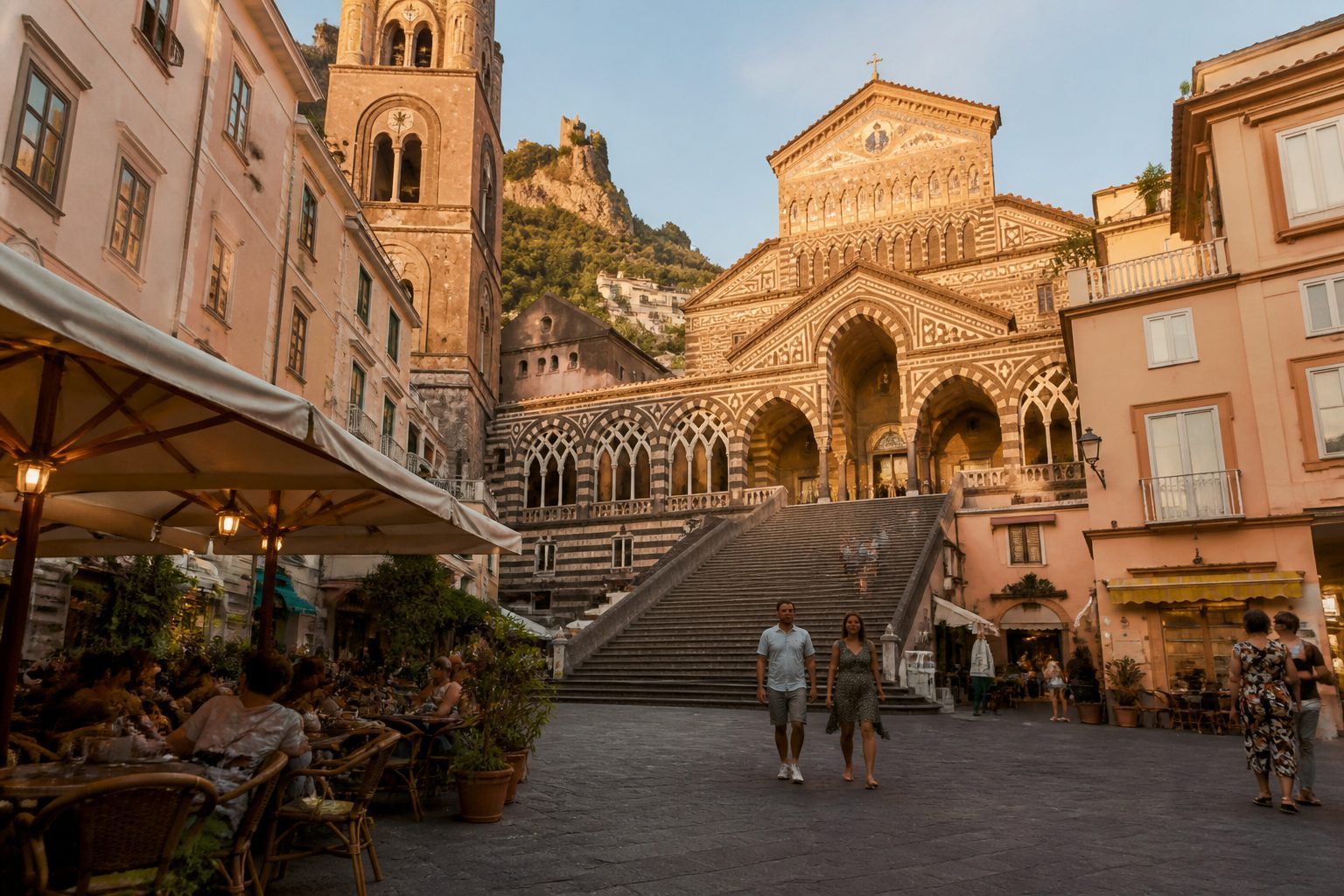
Amalfi was once one of the four great maritime republics of medieval Italy, alongside Venice, Genoa, and Pisa. At its 10th-century peak, the town maintained active trade routes to Constantinople and Alexandria, minted its own currency (the tari), and codified seafaring law in the Tavole Amalfitane, a legal document that governed mariners across the Mediterranean for more than five centuries. Stand today in the Piazza del Duomo and watch tourists part around the 70-step staircase leading to the Cathedral of Sant’Andrea. It takes a deliberate effort of imagination to remember that this small town once shaped the course of western commerce.
The Duomo deserves a patient, unhurried hour of your time. The bronze doors were cast in Constantinople around 1065 to 1066 AD and are among the oldest of their kind in Italy. The adjacent Chiostro del Paradiso — an Arab-Norman cloister built in 1268 to house the remains of prominent Amalfitani — is a small space of genuinely startling beauty, and remains, bafflingly, underrated even in high season.
On your fourth day, take the morning ferry from Amalfi’s terminal to Capri (the crossing takes approximately 50 minutes on a fast ferry) for a full day on the island, returning in the early evening. On your fifth day, hire a local walking guide for the Valle delle Ferriere nature reserve, a 5-kilometre trail climbing through the ruins of Amalfi’s historic paper mills, which operated here from the 13th century, into a primeval forest of Woodwardia radicans, a species of fern that has survived in this microclimate since the Tertiary geological period. The valley is extraordinary and almost entirely off the tourist radar.
For accommodation in Amalfi itself, our curated hotel recommendations at travelsfy.com/amalfi-coast-hotels cover properties at every price point, from four-star cliffside terraces to small guesthouses hidden in the alleyways above the main piazza.
Compare prices · Free cancellation on most rooms
Days 6–7 in Ravello: Where Music Meets the Sky
Ravello does not sit on the coast. It sits above it, 365 metres above sea level on a ridge between two deep valleys, and this elevation gives the village a quality that the coastal towns, for all their beauty, simply cannot replicate: cooler, stiller air, a wider horizon, a quietness that settles on you like a change in weather.
You’ll arrive by bus from Amalfi, a 25-minute climb on the narrow road up the Valle del Dragone, and you’ll feel the register shift the moment you step off. No souvenir kiosks on the main piazza. Two ancient villas. Several small medieval churches. A belvedere that the writer Gore Vidal called the most beautiful view in the world. And a handful of restaurants serving genuinely regional food to a predominantly Italian clientele outside of summer peak.
Villa Rufolo, built in the 13th century by the wealthy Rufolo merchant family, is the site of the Ravello Festival, which has run continuously since 1953. The Ravello Festival 2026 is scheduled to run from July 2, 2026 through September 13, 2026, with concerts performed on the Belvedere Wagneriano, an open-air stage cantilevered over the cliff edge with the full coastline 365 metres below the audience’s feet. Richard Wagner visited Villa Rufolo in May 1880 and recorded in the guest book that its gardens had inspired the setting for Klingsor’s magic garden in Parsifal. The 2026 programme includes orchestral performances, chamber music, and contemporary dance; advance tickets are available directly through ravellofestival.com.
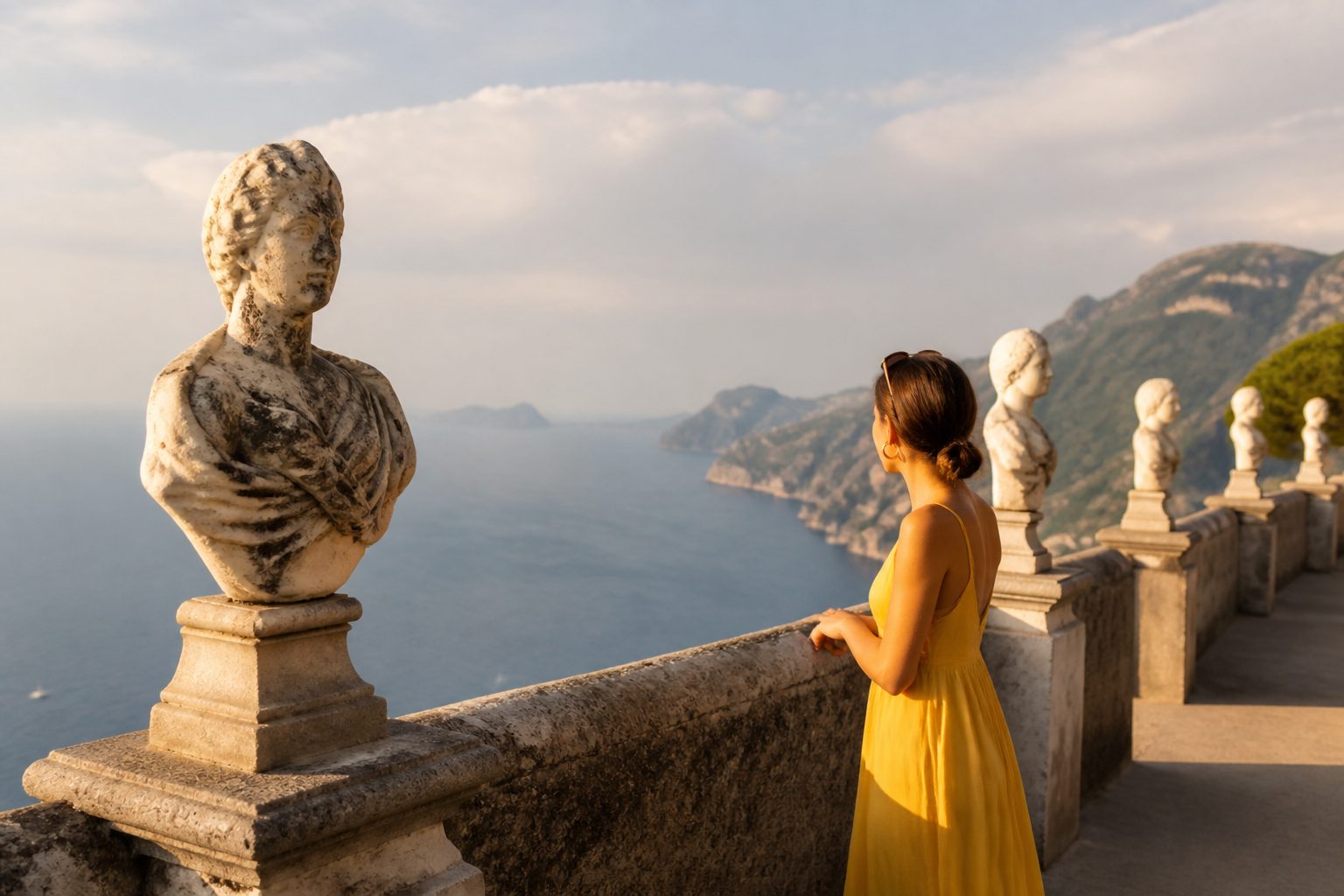
Villa Cimbrone, a short walk through Ravello’s medieval lanes past the church of San Giovanni del Toro, contains the Terrazza dell’Infinito — the Terrace of Infinity — a long belvedere lined with classical marble busts overlooking the full sweep of the Gulf of Salerno. Greta Garbo stayed at the villa in the spring of 1938 with conductor Leopold Stokowski. The estate has operated as a luxury hotel since the 1980s; even if you’re not a guest, the villa’s gardens are open to day visitors for a modest admission fee.
On your final morning before departing, resist every impulse to rush back to Naples. Take the coastal bus east to Cetara instead, a working fishing village of approximately 2,200 inhabitants that produces colatura di alici, a fermented anchovy sauce descended directly from the ancient Roman condiment garum, which received Protected Designation of Origin status in Italy in 2020. The cooperative shop on Cetara’s small harbour sells the sauce by the bottle at prices roughly half those you’ll find in Naples or Rome. A few drops over pasta dressed with good Campanian olive oil, nothing else added: you’ll be replicating this meal at home for the rest of your life.
Compare prices · Free cancellation on most rooms
Amalfi Coast Transport 2026: Ferries, Buses & Roads
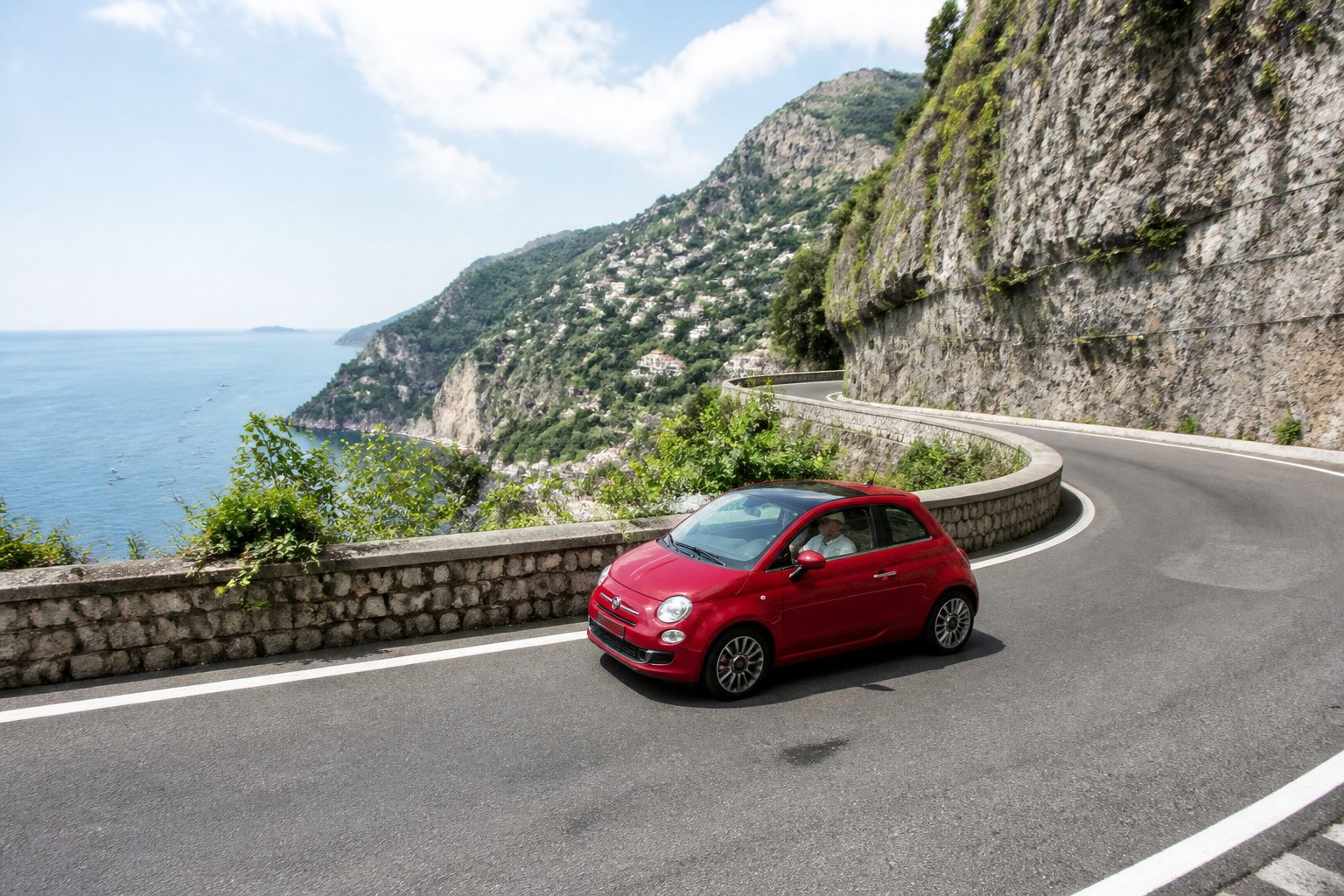
The SS163, the Nastro Azzurro or Blue Ribbon, is the only road connecting most of the towns along this coastline, and in high summer it becomes a single-lane gauntlet of tourist coaches, refrigerated delivery vans, and overly optimistic rental cars. The honest, unambiguous advice is this: don’t attempt to drive it yourself in July or August. The bus and ferry combination is faster, cheaper, and far better for your blood pressure.
The most civilised way to move between towns combines three networks. SITA Sud has operated on the Amalfi Coast since 1914 and runs frequent departures between Sorrento, Positano, Amalfi, and Salerno from early morning until late evening, with reduced frequency on Sundays. Single tickets cost approximately €1.30 to €2.50 depending on distance and are available from tabacchi shops and at some bus stops. The Alicost and TravelMar ferry services operate between Positano, Amalfi, Cetara, and Salerno during the summer season, with additional connections to Capri and Sorrento; a Positano-to-Amalfi ferry crossing takes roughly 35 minutes and costs approximately €8 to €12 per person. For point-to-point flexibility, particularly for luggage-heavy arrivals from Naples airport or for the uphill transfer to Ravello, a private transfer is worth every euro. Our guide to private transfer options in southern Italy at travelsfy.com/italy-private-transfers covers vetted operators and current price benchmarks.
If you do hire a car for the inland sections where buses run infrequently — the road above Ravello toward Scala, for instance, or the mountain route between Agerola and the start of the Path of the Gods — choose the smallest vehicle the rental company offers. A compact hatchback will negotiate the hairpin bends without drama. A full-size SUV will not, or at least not without the kind of drama that leaves a mark on both the car and the driver.
Compare prices · Free cancellation on most rooms
Amalfi Coast Accommodation: Cliffside Villas to Family Pensioni
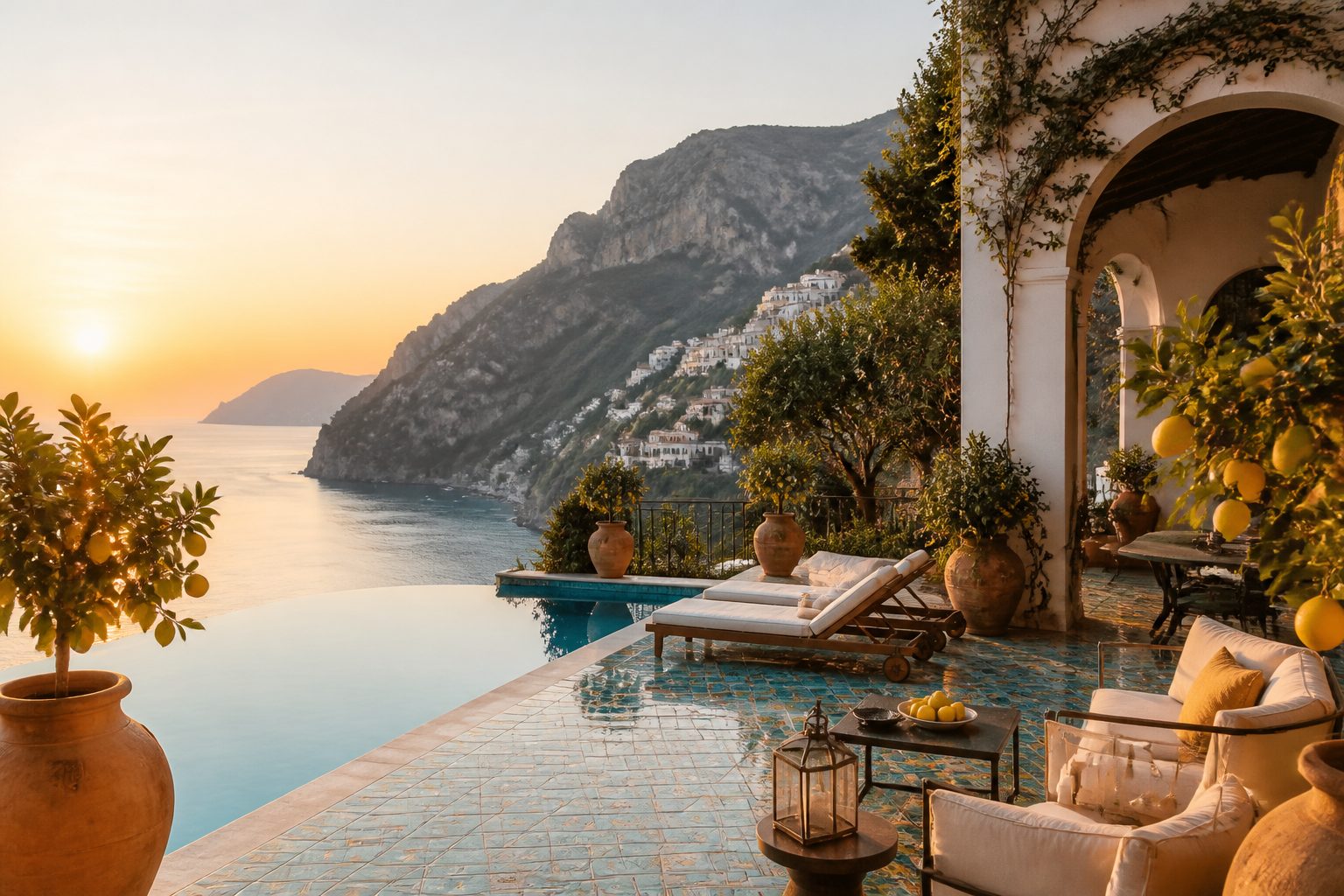
Accommodation on the Amalfi Coast spans a range that would embarrass most European destinations: from internationally celebrated luxury hotels with Michelin-starred dining rooms to family-run pensioni charging €85 per night for a clean room with a genuine sea view. The defining variable is not price but position. A mid-range hotel perched on the cliff face in Positano will feel more extraordinary than a five-star property on a busy inland road in the same town. Always check the room’s elevation and its view before booking.
For villa rentals (particularly if you’re travelling as a group of four or more, which is by far the most economical configuration), Praiano and Ravello offer the best combination of views and value on the coast. A private villa with a private pool and a full sea view in Praiano can be rented for approximately €2,000 to €4,500 per week in September 2026, depending on the property and its proximity to the waterfront. Browse curated villa listings through our partner pages, where Amalfi Coast properties are filtered by verified guest reviews and independently checked amenity listings.
If you prefer the flexibility of nightly hotel bookings, cross-reference rates on Booking.com with smaller independent booking platforms. Among the genuinely exceptional mid-range options, the Palazzo Murat in Positano — an 18th-century Bourbon palace built for Joachim Murat, Napoleon’s brother-in-law and King of Naples, and now operating as a boutique hotel around a jasmine-filled courtyard — books out months ahead for any night between May and October. Book no later than February 2026 for summer dates.
For budget-conscious travellers who are unwilling to compromise on the coastal experience, the towns of Minori and Maiori, a few kilometres east of Amalfi town, offer accommodation at roughly 30 to 40 percent less than equivalent Positano properties, with easy ferry and SITA Sud bus connections to all the principal destinations covered in this itinerary. For a comprehensive overview of accommodation options at every price point across the entire coast, our Amalfi Coast travel guide at travelsfy.com/amalfi-coast-travel-guide covers budget itineraries, the best free beaches, and the half-dozen restaurants where locals actually eat.
Compare prices · Free cancellation on most rooms
Frequently Asked Questions
Late April through June and September through mid-October are the optimal windows. Weather is warm and settled, sea temperatures are swimmable, hotel rates are 20 to 40 percent lower than August peaks, and the SS163 road is navigable without the summer gridlock. July and August are intensely crowded and hot, though the Ravello Festival (July 2 through September 13, 2026) gives high-summer visitors a compelling reason to plan around those specific dates.
Seven days is the recommended minimum for a meaningful experience that covers Positano, Praiano, Amalfi, and Ravello without feeling rushed. A long weekend of three to four days is feasible if you base yourself in one town (Amalfi itself is the most central) and use ferry day trips to see the others. Anything less than three nights on the coast tends to feel like a drive-through rather than a stay.
Driving the SS163 yourself is entirely possible in the shoulder seasons (April through June, September through October) when traffic is manageable. In July and August, the road is frequently reduced to a single moving lane by tourist coaches and delivery trucks, and self-driving becomes an exercise in patience rather than pleasure. The SITA Sud bus network and the ferry services operated by Alicost and TravelMar together cover all the major towns reliably and at low cost. A private transfer is most valuable for the airport-to-first-hotel leg with heavy luggage.
Colatura di alici is a fermented anchovy sauce produced in the village of Cetara, east of Amalfi, descended from the ancient Roman condiment garum. It received Protected Designation of Origin status in Italy in 2020. The sauce is made by packing fresh anchovies in salt for several months, then drawing off the liquid that filters through. Used sparingly — a teaspoon over pasta with olive oil — it delivers an intense, savoury depth. The best place to buy it is directly from the cooperative shop on Cetara’s harbour, where prices are roughly half those in Naples tourist shops.
Yes, entirely. The SITA Sud bus connects Sorrento, Positano, Praiano, Amalfi, Minori, Maiori, Cetara, and Salerno with departures every 30 to 60 minutes during peak season. Ferry services run between the main coastal towns from April through October. The only section where bus frequency drops significantly is the road up to Ravello from Amalfi town, but buses run that route several times daily, and the 25-minute journey is part of the experience. A car is genuinely unnecessary for this itinerary.
