
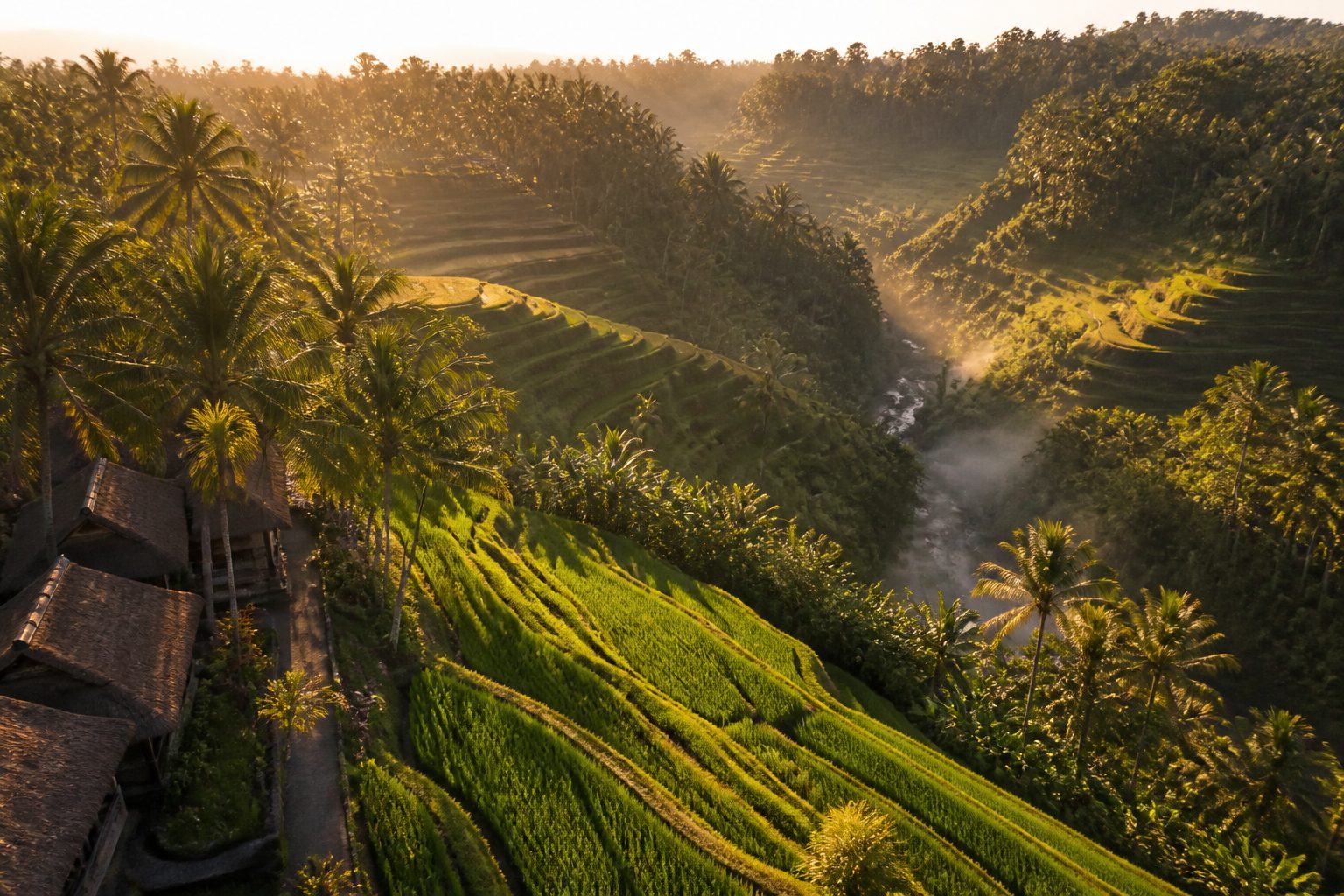
Bali 2026: What’s New for Travelers This Year
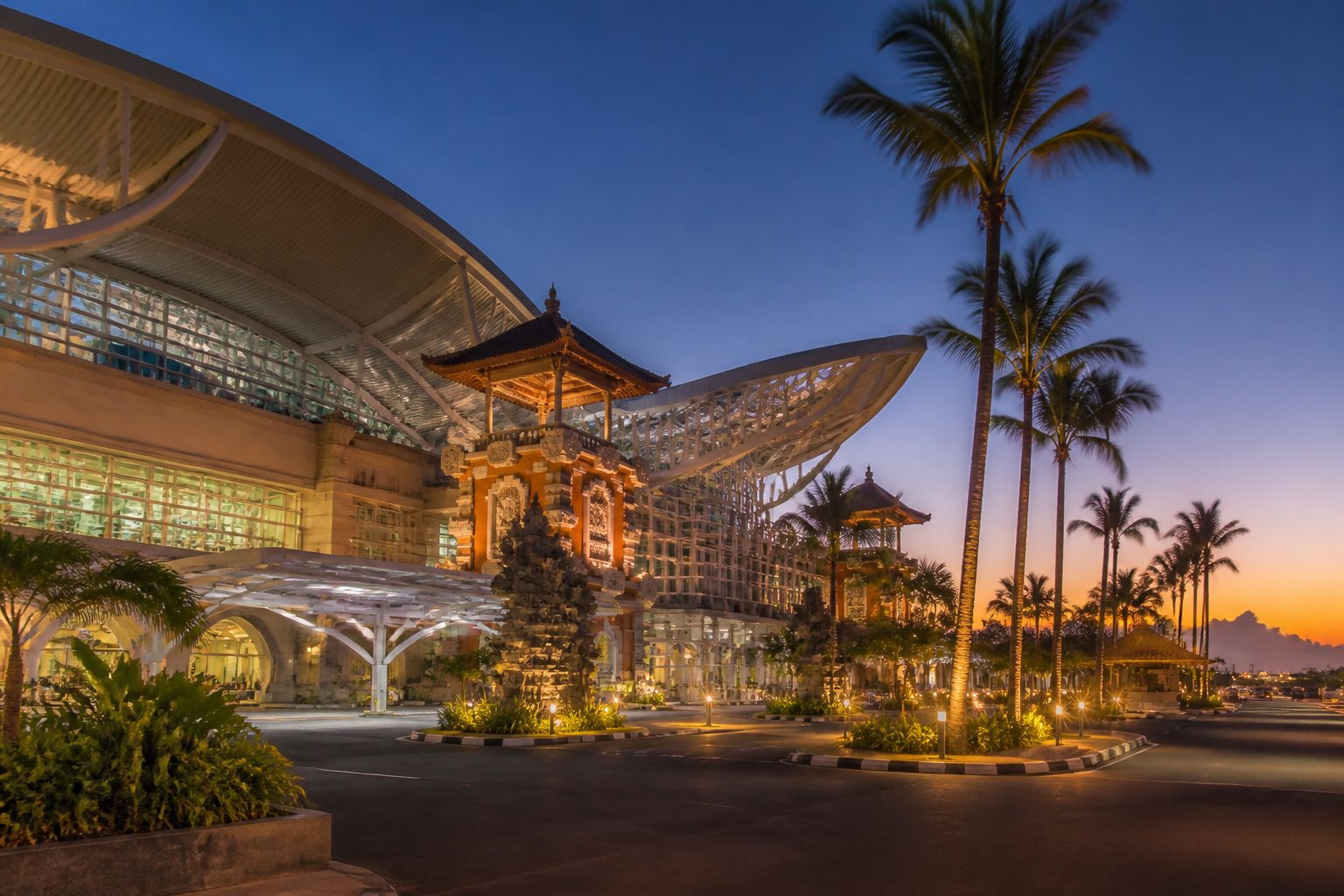
The scent of frangipani hits you the moment you step off the plane at Ngurah Rai International Airport (DPS). Within minutes, you’ll understand why Bali pulls over five million international visitors through its doors every year. In 2026, the island is more accessible and better organised than it’s been in the past decade — and it comes with a handful of new requirements you’ll want to know before you pack a bag.
The biggest change is the Bali Tourism Tax, formally introduced in February 2024. Every international visitor pays IDR 150,000 — roughly USD 10 — before setting foot on the island. You’ll complete payment online through the official Love Bali portal at lovebali.baliprov.go.id, then receive a QR code to show at DPS Airport on arrival. The money goes directly toward cultural heritage preservation and environmental programs, from temple restoration in Besakih to coral reef rehabilitation off Nusa Penida’s coast.
Indonesia’s eVisa on Arrival system now covers citizens of more than 90 countries. You can prepay your 30-day visa online before you board — processing takes between 24 and 72 hours and costs USD 35. The visa is extendable once for an additional 30 days at an immigration office on the island. Prefer to sort it on arrival? The Visa on Arrival desk inside DPS Airport processes applications in roughly 20 to 40 minutes, so factor that window into your airport transfer schedule. Travelers from ASEAN member nations continue to enter visa-free.
Beyond the entry logistics, 2026 brings a notable wave of new boutique properties to Ubud’s river gorge district. Fast-ferry services linking Padang Bai and Amed to the Gili Islands have expanded. Canggu’s digital nomad infrastructure has matured into something genuinely impressive — fiber co-working spaces, international schools, and long-stay villa platforms that make the island as practical a base as it is a beautiful one. Whether you’re planning a seven-day honeymoon or a three-week slow-travel circuit, this is the best time in years to come.
Best Hotels & Resorts in Bali 2026
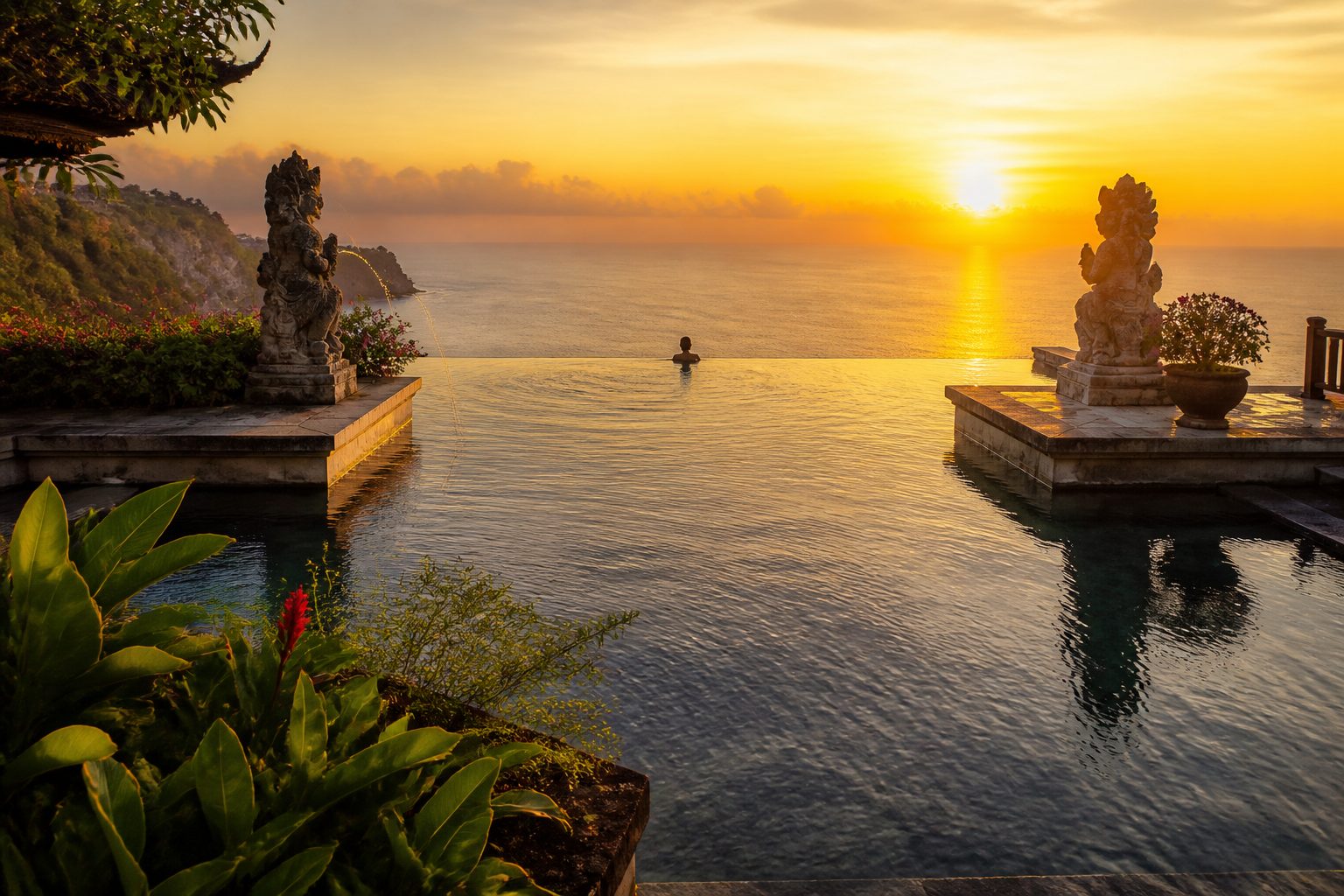
Bali’s hotel spectrum runs from USD 15-a-night guesthouses to ultra-luxury cliff-edge resorts billing above USD 2,000 per night. For most travelers chasing genuine comfort without the eye-watering price tag, the mid-luxury tier — four- and five-star properties priced between USD 120 and USD 400 per night — is where you’ll find experiences that feel bespoke rather than mass-produced.
In Ubud, the COMO Uma Ubud — a 5-star property with 46 rooms and pool villas — sits above the Tjampuhan ridge with infinity pools gazing out over forested valleys. Its COMO Shambhala wellness cuisine and twice-daily yoga classes make it a natural fit for health-focused travelers. For something smaller and more intimate, Komaneka at Bisma offers just 22 rooms cantilevered directly over the Campuhan River. Condé Nast Traveller has recognised it multiple years running for the way its architecture seems to grow out of the landscape rather than impose on it.
Seminyak runs on a different energy entirely. The Katamama, a 58-suite boutique property owned by the group behind Potato Head Beach Club, is built almost entirely from handcrafted Balinese materials — every suite features hand-pressed terracotta tiles made by artisans on Java. The W Bali Seminyak (237 rooms) brings a louder, more social atmosphere and puts you within a five-minute walk of Petitenget Beach and its celebrated sunset strip.
For cliff-side drama in Uluwatu, Alila Villas Uluwatu sets the benchmark for contemporary Balinese luxury. All 65 pavilions come with a 10-metre private pool and unobstructed Indian Ocean views, and you’ll fall asleep within earshot of the Uluwatu surf break below. The property runs one of the island’s most respected sustainability programs, combining on-site organic farming with a comprehensive zero-plastic policy. For families who want calm waters and room to breathe, the St. Regis Bali Resort in Nusa Dua offers 123 suites and villas on a protected lagoon beach, with butler service that handles everything from temple visit arrangements to private dinner setups on the sand.
You can compare live rates across hundreds of properties by using Search Bali hotels on Booking.com — the platform’s neighbourhood map view makes it easy to filter between Ubud, Seminyak, and Uluwatu. Frequent travelers with Hotels.com loyalty status will want to activate US – Save 10% or more on hotels with Member Prices, which stacks particularly well with advance-booking discounts available in the shoulder months of May, June, and September.
Bali Villa Rentals: Best Private Stays & Vrbo Picks
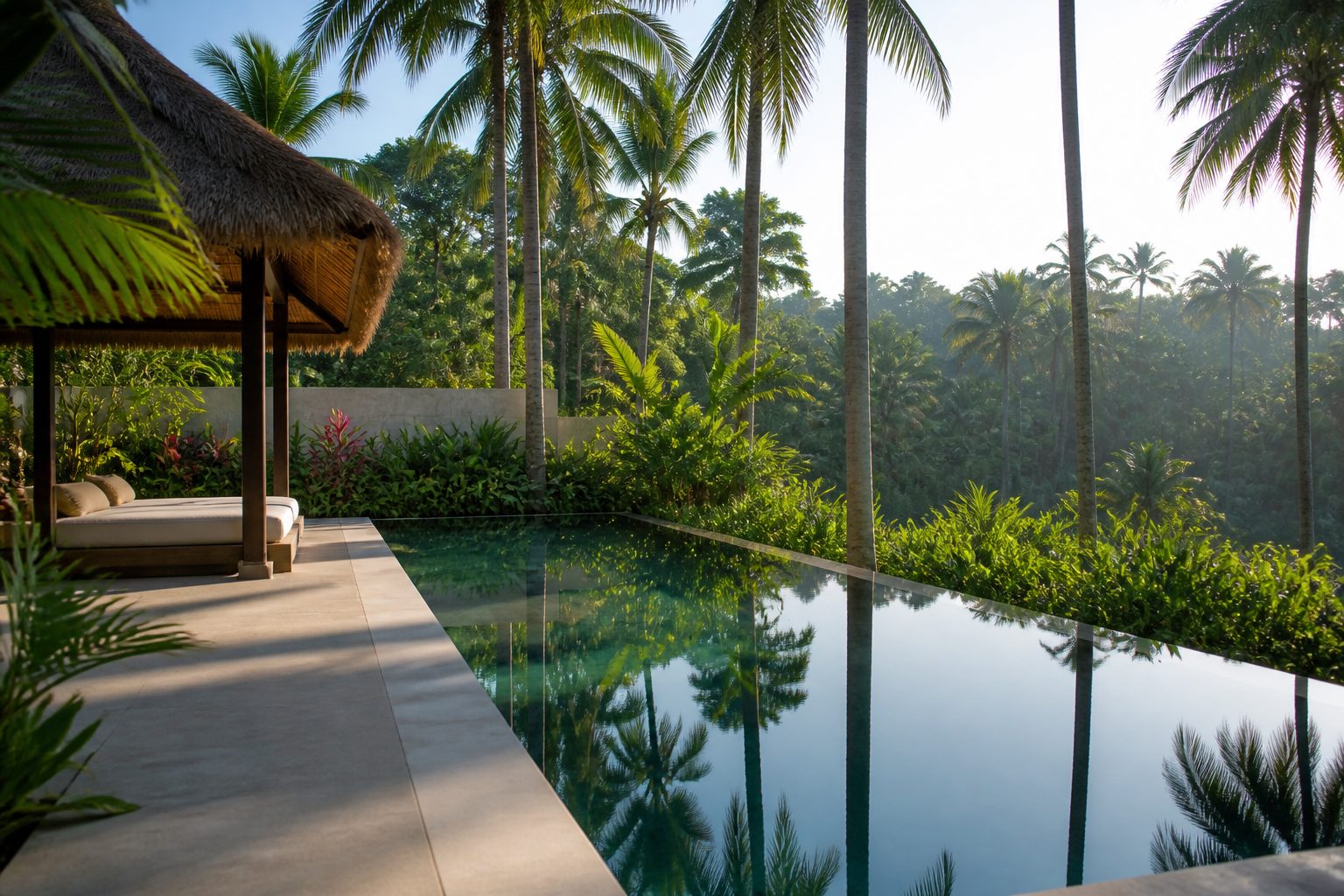
For groups of four or more — or for any traveler who prizes a private pool, a full kitchen, and the freedom to set their own rhythm — Bali’s villa rental market is one of the great bargains in global travel. A private three-bedroom villa with a 12-metre infinity pool in Canggu typically runs between USD 250 and USD 550 per night. Work that out per person and you’re undercutting most four-star hotels while landing far more space, privacy, and a wholly different quality of morning.
Seminyak and Petitenget hold the highest concentration of styled villas within easy walking distance of upscale restaurants and beach clubs. Ubud’s offerings lean toward open-air jungle compounds with outdoor daybeds, rice-terrace views, and on-site Balinese staff who set out a fresh breakfast every morning. Uluwatu villas, perched on the Bukit Peninsula’s white limestone cliffs, command the most dramatic ocean panoramas on the island — well worth the slight remoteness from town.
A few practical details matter when you’re renting a villa in Bali. Confirm that the property holds a valid Pondok Wisata license — the government-issued permit for short-stay villa rentals of up to five rooms — since unlicensed properties have occasionally faced closures during regulatory enforcement periods. Check that the quoted nightly rate includes Indonesia’s 11 percent value-added tax and the standard 10 percent service charge; these are legally mandated additions and should never appear as a checkout surprise. Many reputable villa managers throw in a private driver for a half-day at no extra charge, so ask at the time of booking.
Vrbo lists thousands of inspected villas across every Bali region, from intimate one-bedroom jungle retreats to grand eight-bedroom estate compounds with private chefs and staff quarters. Bali Vacation Rentals – Book now with Vrbo gives you direct access to owner-listed properties with verified reviews and genuinely flexible cancellation policies. If you’d rather search by specific criteria — pool size, beach proximity, maximum occupancy — Vrbo – Find your vacation rental lets you filter down quickly across the full Bali inventory.
Getting Around Bali: Scooters, Drivers & Car Rental
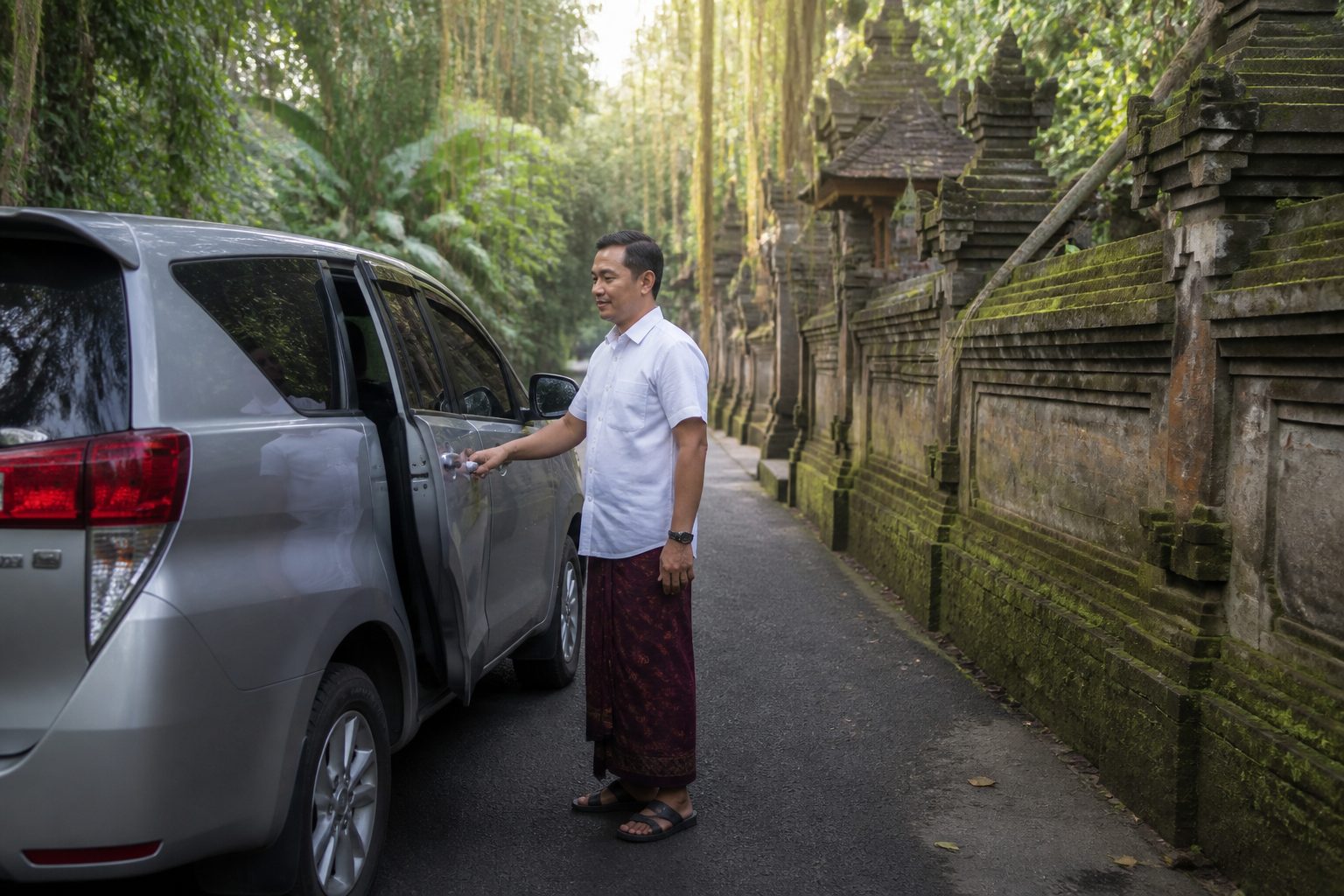
Bali covers roughly 5,780 square kilometres — smaller than the greater Los Angeles metro area — but its roads, particularly in South Bali between Kuta, Seminyak, and Canggu, carry traffic that can turn a 10-kilometre journey into a 45-minute crawl during peak hours. Knowing your transport options before you arrive will save your itinerary from unraveling on day one.
For solo travelers and couples traveling light, the ride-hailing apps Grab and Gojek are your best friends. Both operate reliably in Seminyak, Canggu, Ubud, and Kuta. Fares are metered and settled through the app, which means no haggling before you’ve even left the curb. A typical 20-minute ride between Seminyak and Kuta costs IDR 35,000 to IDR 55,000 — roughly USD 2 to USD 3.50. Both apps face periodic restrictions at DPS Airport due to pressure from licensed taxi operators, so on arrival, use the official metered taxi counters in the international arrivals hall.
Scooter rentals pull plenty of visitors in with the promise of freedom, especially on the quieter roads around rural Ubud and the Bukit Peninsula. That freedom is entirely legal — provided you carry an International Driving Permit endorsed for motorcycles and a valid home-country motorcycle license. Indonesian police run regular document checks at tourist hotspots, and fines for unlicensed riders range from IDR 250,000 to IDR 750,000. More critically, Bali’s hospitals handle a significant volume of tourist road injuries every year. Helmets are mandatory under Indonesian law. Treat that as non-negotiable, no matter how short the ride.
For families, larger groups, or anyone covering multiple regions in a single day — say, Tirta Empul in the morning and Uluwatu by sunset — a private driver hired by the day is the single best value on the island. Daily rates typically fall between IDR 500,000 and IDR 700,000 (USD 30 to USD 45), covering the driver, fuel, and an air-conditioned vehicle. Most drivers double as informal guides who know which roadside warungs serve the best babi guling and which temple ceremonies welcome respectful outside visitors.
If you’d rather drive yourself, international and local rental operators offer everything from compact SUVs to full-size automatics. Booking in advance consistently delivers savings of 15 to 25 percent compared with walk-up rates at the airport. Compare Bali car rentals on EconomyBookings to lock in the best daily rate before you fly — the platform aggregates suppliers across the island and allows free cancellation on most bookings up to 48 hours before pickup.
10-Day Bali Itinerary: Ubud, Canggu, Uluwatu & the Gilis
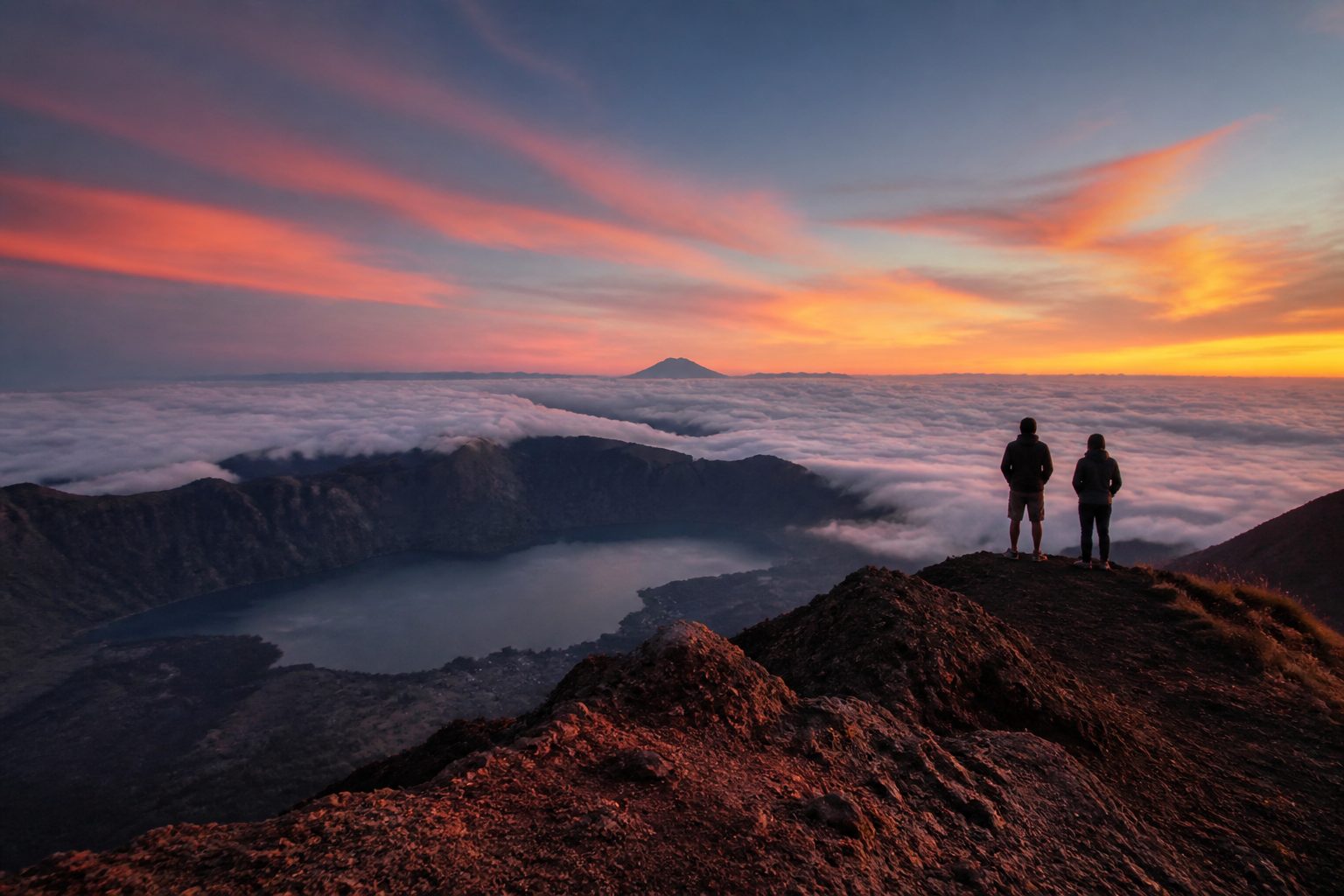
Ten days is enough. Enough to absorb Bali’s cultural heartland, drift through its surf-and-café coast, stand at the edge of its dramatic southern cliffs, and still find time for the Gili Islands offshore — all without feeling like you’re racing between postcards. This sequence assumes arrival at DPS Airport and is structured to cut out backtracking.
Days one and two are your Ubud reset. You clear immigration at DPS and transfer north to Ubud — roughly 90 minutes by private car — arriving in time for a slow dinner at Locavore, consistently ranked among Indonesia’s top-ten restaurants. Day two opens with a sunrise walk through the Tegallalang Rice Terraces, which look their most photogenic between 7am and 9am before tour groups arrive. The afternoon is yours for a traditional Balinese cooking class, the evening for a Kecak fire dance performance at Pura Dalem Taman Kaja or along the Ubud Palace stage.
Days three and four deepen your Ubud experience. The Sacred Monkey Forest Sanctuary — open daily, IDR 80,000 entry — rewards an early arrival before 8:30am. In the afternoon, you’ll find Goa Gajah (Elephant Cave, an 11th-century rock-hewn sanctuary) and your choice of white-water rafting or a meditative float along the Ayung River. Day four is made for the full Kintamani loop: Tirta Empul holy spring (arrive by 7am to beat the crowds), a crater-rim lunch above the cobalt-blue Lake Batur, and the black-sand shoreline at Yeh Sanih on the quieter north coast.
Days five and six bring you to Canggu on the southwest coast. The 90-minute drive south drops you into a neighbourhood running on a completely different frequency — beach clubs, cold brew cafés, surf lessons at Echo Beach, and a nightlife scene anchored by Finn’s Beach Club and the Old Man’s strip on Batu Bolong Beach. Book a 90-minute beginner surf lesson from one of the Batu Bolong schools and spend evenings exploring Berawa’s plant-based and modern Indonesian restaurants.
Day seven moves you to Uluwatu. The Bukit Peninsula is only 45 minutes south of Canggu but feels like a different world — stark white limestone cliffs, deep-water Indian Ocean swells, and the raw power of the Uluwatu surf break, which draws professional World Surf League competitions annually. Pura Luhur Uluwatu, the sixth-century sea temple perched 70 metres above the ocean, is a spiritual and visual experience that justifies the entire trip south. Stay for the Kecak dance at sunset and watch the Ramayana performed against an open-sea backdrop as the light dissolves into orange.
Days eight and nine belong to the Gili Islands. Transfer east toward Padang Bai — roughly 90 minutes from Uluwatu — and board a fast ferry to your chosen island. The crossing takes approximately 90 minutes to two hours depending on sea conditions. Gili Trawangan is the liveliest of the three, with beachfront bars and nightly live music. Gili Air splits the difference with café culture and accessible diving. Gili Meno, the smallest island, has no motorised vehicles, an underwater sculpture garden ideal for snorkelling, and a silence after sundown that is both startling and restorative.
Day ten is your departure. Allow time for the ferry back to Padang Bai — depart Gili no later than midday — the transfer to DPS (two to two-and-a-half hours), and the airport’s recommended three-hour international check-in window for peak-season departures.
Where to Stay in Bali: Surf, Spiritual, Beach & Luxury
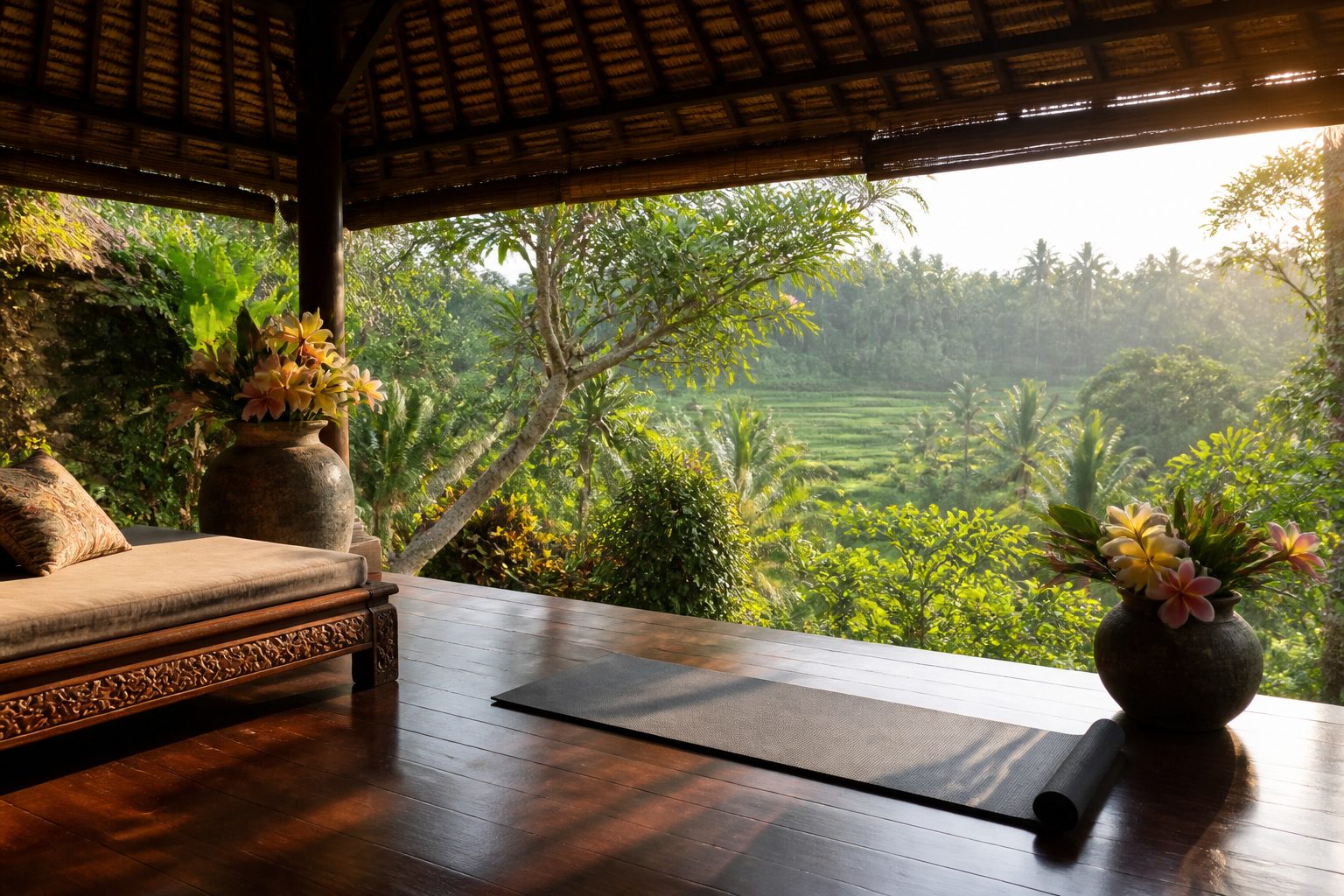
Choosing the right base in Bali might be the most consequential decision in your entire itinerary. The island’s distinct neighbourhoods each carry a character so pronounced that waking up in the wrong one for your travel style can quietly undermine an otherwise exceptional trip.
For surf culture and digital-nomad energy, Canggu is your answer. The neighbourhood strings along a series of black-sand beaches — Batu Bolong, Echo Beach, Pererenan — and holds the island’s highest density of international surf schools, co-working cafés, and plant-based restaurants. Accommodation here skews strongly toward private villas and independent boutique guesthouses rather than international hotel chains, which keeps the atmosphere feeling genuinely local even during high season.
For spiritual immersion, yoga retreats, and cultural depth, Ubud stands alone anywhere in Southeast Asia. Sitting at roughly 400 metres above sea level, the town stays several degrees cooler than the coast. The Yoga Barn, one of the region’s most respected yoga and wellness centres, runs multiple daily classes and hosts month-long immersive teacher training programs. The surrounding villages — Mas for wood carving, Celuk for silverwork, Batuan for traditional painting — function as a living museum within a 20-minute drive in any direction.
For beach relaxation paired with upscale dining, Seminyak and Petitenget deliver the most polished experience on the island. Restaurants including Sarong, Merah Putih, and Bikini attract serious food travelers, and the beach clubs — Ku De Ta, La Plancha, and Métis — rank among Asia’s most consistently cited spots for a sunset drink.
For high-end seclusion with genuine ocean drama, the Uluwatu and Nusa Dua corridor is unmatched. Alila Villas Uluwatu holds its position as the cliff-top benchmark, while the St. Regis Bali Resort and The Mulia in Nusa Dua cater to travelers seeking the full five-star resort experience on a protected beach.
For a quieter family holiday completely removed from Bali’s party circuit, Sanur on the east coast remains the island’s most underrated base. It faces a calm lagoon protected by an offshore reef, making it safe for young swimmers, and its low-rise promenade has stayed free of the high-density development that has reshaped South Bali’s other beach towns. Sanur is also the primary departure point for fast boats to Nusa Penida — a practical bonus that saves real time on day-trip mornings.
Bali Day Trips: Mt Batur Sunrise, Nusa Penida & Tegallalang
Bali’s day-trip circuit ranks among the most rewarding in Southeast Asia, but each destination demands a different level of advance planning to get the most from it.
Mount Batur is an active stratovolcano in the Kintamani regency, standing 1,717 metres above sea level. The summit sunrise hike earns every word of its reputation. On a clear morning you’ll watch the shadow of the volcano stretch westward over Lake Batur while Mount Rinjani on Lombok appears on the eastern horizon as a dark pyramid. The standard ascent takes approximately two hours, following a well-marked trail that requires no technical climbing skills but demands a reasonable level of aerobic fitness. Leave your hotel in Ubud by 2:00am to reach the trailhead by 3:30am and summit by 5:45am in time for the sunrise window. Guides are mandatory — enforced at the trailhead — and cost approximately IDR 400,000 to IDR 500,000 per person, including a banana cooked on volcanic steam vents at the top.
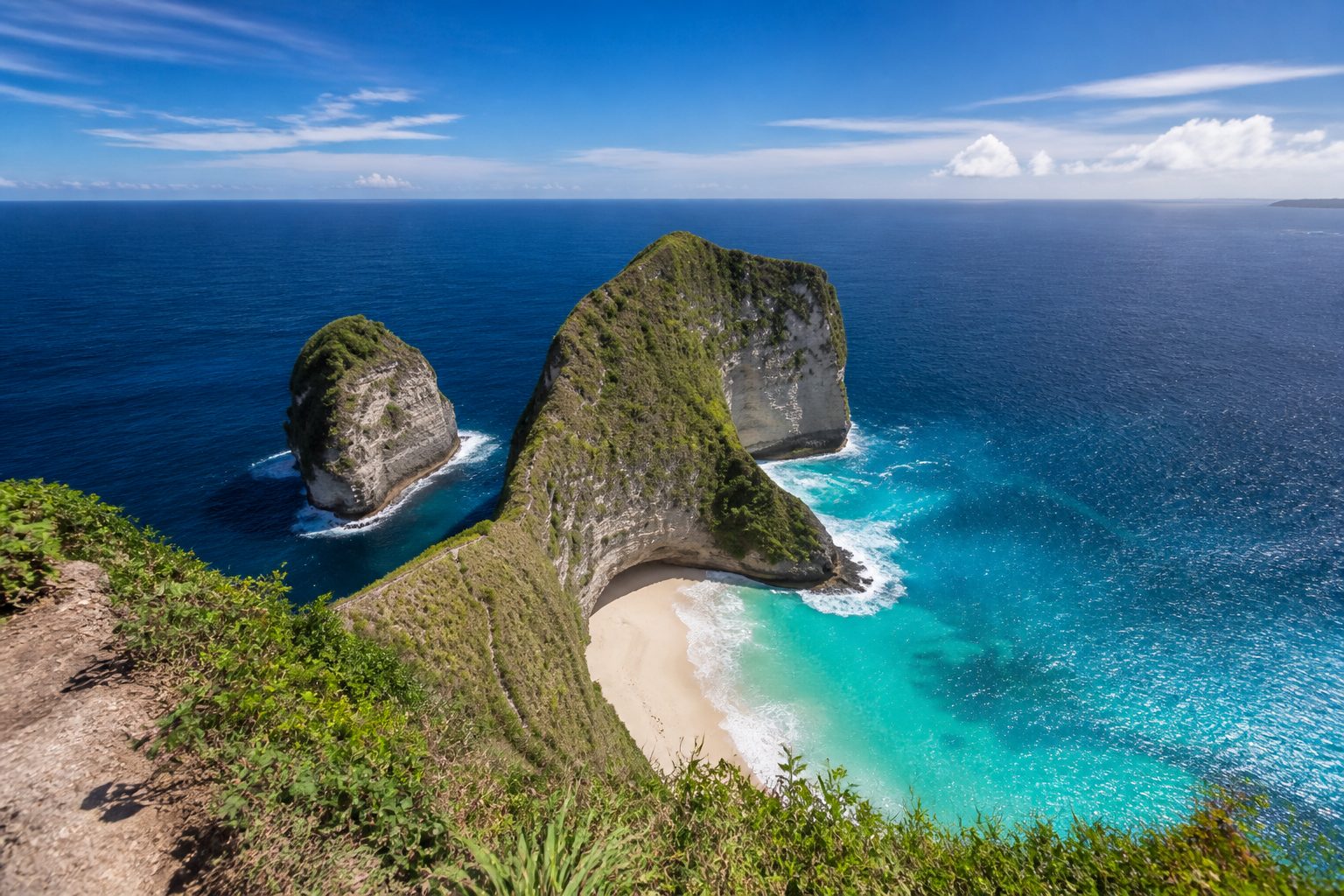
Nusa Penida is Bali’s most visually dramatic day trip, and its popularity is entirely deserved. You’ll reach the island via fast boat from Sanur Harbor — the crossing takes approximately 30 minutes, with multiple departures from 7:00am onward costing IDR 150,000 to IDR 200,000 one way. The three landmark sites are spread across the island’s west coast: Kelingking Beach, with its T-rex-shaped limestone headland dropping to a pristine turquoise bay; Angel’s Billabong, a natural tidal infinity pool carved into the coastal rock; and Broken Beach, a collapsed sea cave forming a perfect circular bay with a natural arch bridge overhead. Covering all three requires a full day with a pre-hired local driver or rented scooter. Book your return boat no later than 4:00pm to avoid the rougher afternoon swells common in this channel.
Tegallalang Rice Terraces, located just north of Ubud town, remain among Bali’s most iconic landscapes. The stepped paddies are engineered using the traditional subak cooperative irrigation system — a water management philosophy recognised by UNESCO as an Intangible Cultural Heritage of Humanity. Arrive by 7:00am and you’ll find soft golden light, mist rising from the valley, and near-empty paths. By 10:00am, the main platforms fill with organised tour groups. A voluntary donation of IDR 15,000 to IDR 30,000 is requested at the main viewing platforms and goes directly to the farming families who maintain the terraces.
Bali Visa, Best Time to Visit & Budget Tips for 2026
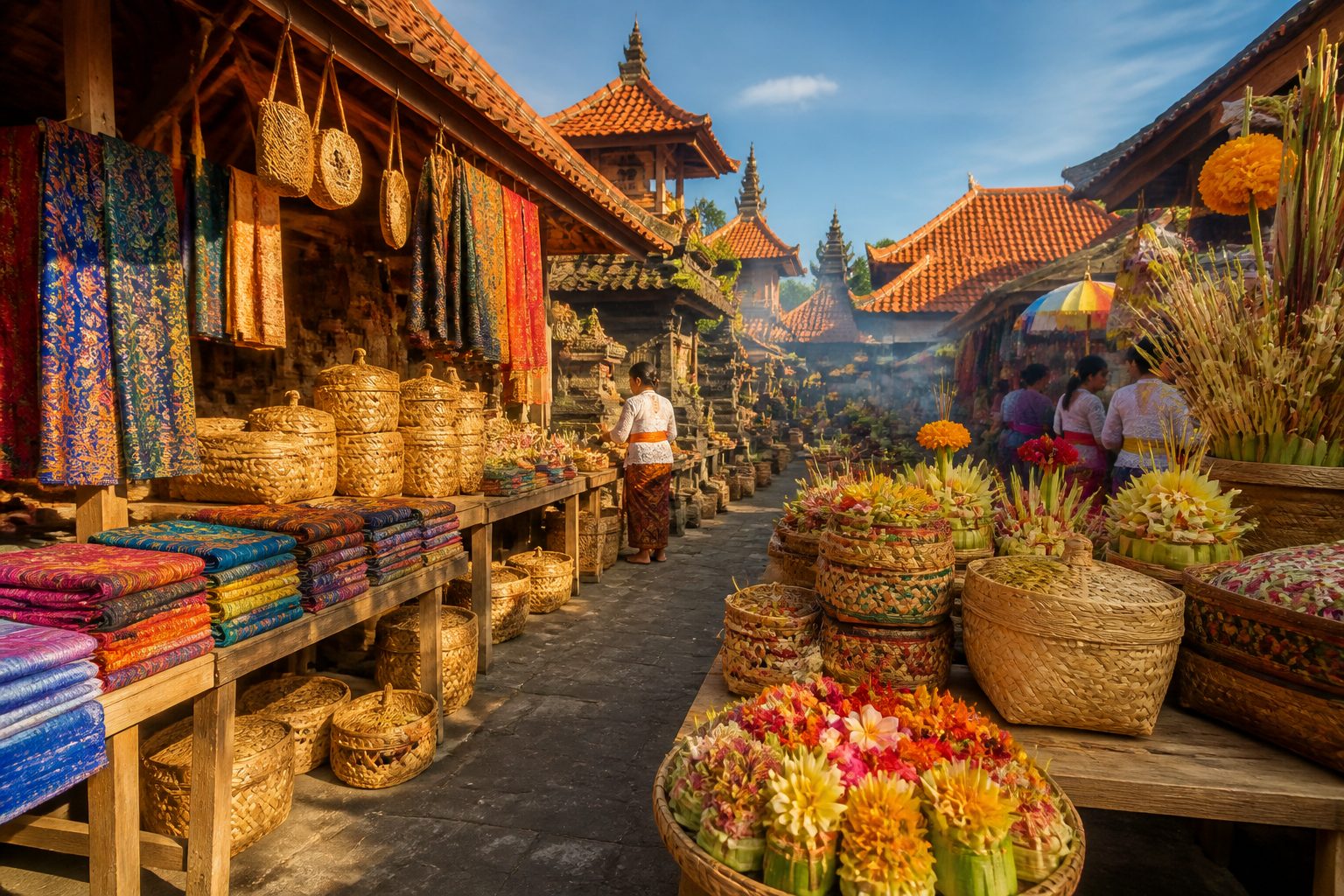
Bali’s dry season runs from April through October. July and August are the absolute peak — near-guaranteed sunshine, cooler evenings in Ubud, optimal surf conditions at Uluwatu and Canggu — but they also bring higher accommodation prices and considerably fuller beaches. The genuine sweet spots within the dry season are late April through June and September through early October, when school-holiday crowds are absent, accommodation rates drop noticeably, and you’ll find rice terraces and temples largely to yourself.
The monsoon season runs from November through March. Rain arrives in heavy, short bursts rather than all-day downpours, and the island turns an almost impossibly vivid green. Rice planting ceremonies in Ubud are at their most active during this window. Some surf breaks lose their consistency, and the channel between Bali and Nusa Penida becomes rougher, occasionally suspending ferry services for a day or two. If budget is your primary consideration, November and early December offer the lowest accommodation prices of the year across every region.
For 2026, every traveler must budget the IDR 150,000 (approximately USD 10) Bali Tourism Tax, paid online before arrival through the Love Bali portal. The eVOA costs USD 35 for eligible nationalities and is processed via Indonesia’s Directorate General of Immigration website in 24 to 72 hours. A realistic daily budget for a mid-range traveler — private villa or four-star hotel, three restaurant meals, a hired driver for half the day, and entry fees — runs USD 100 to USD 180 per person. A genuine luxury daily budget at cliff-top resorts with private guides and fine dining comfortably reaches USD 400 to USD 600.
Currency: the Indonesian Rupiah (IDR) is the only accepted currency at local warungs, traditional markets, and most smaller businesses. ATMs are widely available in tourist areas, but card-skimming incidents have been reported — use machines physically attached to bank branches rather than standalone kiosks. Always notify your bank before departure. Carry a small amount of USD for airport arrival costs; the Visa on Arrival desk and official airport taxis accept US dollars.
For travelers building a longer Southeast Asia itinerary beyond Bali, our Indonesia destination guides on Travelsfy cover Lombok, the Komodo Islands, and Raja Ampat in the same level of practical detail. If you plan to combine this trip with Thailand or Vietnam, our Southeast Asia trip-planning guides will help you sequence connections, visa timing, and internal flights efficiently. Our luxury hotel reviews section covers five-star properties across the full region for travelers building a multi-country high-end circuit.
Frequently Asked Questions
Most visitors can use Indonesia’s eVisa on Arrival, available to citizens of more than 90 countries. You apply online before departure, pay USD 35, and receive approval in 24 to 72 hours. The visa is valid for 30 days and extendable once for another 30 days. Citizens of ASEAN nations enter Bali visa-free.
Bali charges a tourism levy of IDR 150,000 (approximately USD 10) per international visitor. You pay online before arriving through the official Love Bali portal at lovebali.baliprov.go.id and receive a QR code to present at Ngurah Rai Airport on arrival. The fee funds cultural preservation and environmental programs on the island.
Ten days is the ideal minimum to comfortably experience Ubud, Canggu, Uluwatu, and a stay on the Gili Islands. Seven days covers the main cultural and coastal highlights if time is limited. Two weeks allows for a genuinely relaxed pace and the addition of a Nusa Penida or Mount Batur sunrise excursion.
Bali’s dry season runs from April through October, with July and August as peak months. For the best combination of good weather, fewer crowds, and lower accommodation rates, aim for late April through June or September through early October. The monsoon season from November to March brings short heavy rains and lush landscapes at the lowest prices of the year.
Take a fast ferry from Padang Bai or Amed on Bali’s east coast. The crossing to Gili Trawangan takes approximately 90 minutes to two hours depending on the operator and sea conditions. Multiple departures run daily from around 8am. Gili Air and Gili Meno are stops along the same route, with Gili Air reached first.
Scooter rental is legal in Bali if you hold an International Driving Permit endorsed for motorcycles alongside a valid home-country motorcycle licence. Indonesian police conduct regular checks in tourist areas, and fines for unlicensed riders range from IDR 250,000 to IDR 750,000. Helmets are mandatory by law. Bali hospitals handle a significant number of tourist road injuries annually, so caution is strongly advised.
Bali uses the Indonesian Rupiah (IDR). Local warungs, traditional markets, and smaller businesses accept Rupiah only. ATMs are widely available in tourist areas; use machines attached to bank branches to reduce card-skimming risk. Carry a small amount of USD cash for Visa on Arrival and airport taxi fees on arrival.
First-time visitors often benefit from basing themselves in Seminyak or Canggu for easy beach and restaurant access, then transferring to Ubud for two to three nights midway through the trip to experience Bali’s cultural heartland. This combination delivers both coastal relaxation and genuine immersion in Balinese tradition.
A pre-booked private car transfer from Ngurah Rai International Airport to Ubud takes approximately 90 minutes and costs between IDR 350,000 and IDR 500,000. The official metered taxi counter in the international arrivals hall is the most reliable option on arrival. Grab and Gojek ride-hailing apps operate with restrictions at DPS Airport but are useful once you are in South Bali.
Take a fast boat from Sanur Harbor on Bali’s southeast coast. The crossing to Nusa Penida takes approximately 30 minutes and costs IDR 150,000 to IDR 200,000 one way, with multiple departures from 7:00am daily. On arrival, hire a local driver or rent a scooter to reach Kelingking Beach, Angel’s Billabong, and Broken Beach in a single full day. Book your return ferry by 4:00pm to avoid rough afternoon swells.
To summit Mount Batur in time for sunrise, you must depart your hotel in Ubud by 2:00am, reaching the trailhead by approximately 3:30am. The ascent takes around two hours on a well-marked trail with no technical climbing required. Guides are mandatory and enforced at the trailhead; expect to pay IDR 400,000 to IDR 500,000 per person including guide fees.
A mid-range traveler staying in a private villa or four-star hotel, eating three restaurant meals, hiring a driver for half the day, and covering entry fees should budget USD 100 to USD 180 per person per day. A luxury daily budget at cliff-top resorts with private guides and fine dining runs USD 400 to USD 600. Budget backpackers staying in guesthouses and eating local warungs can manage on USD 40 to USD 60 per day.
