
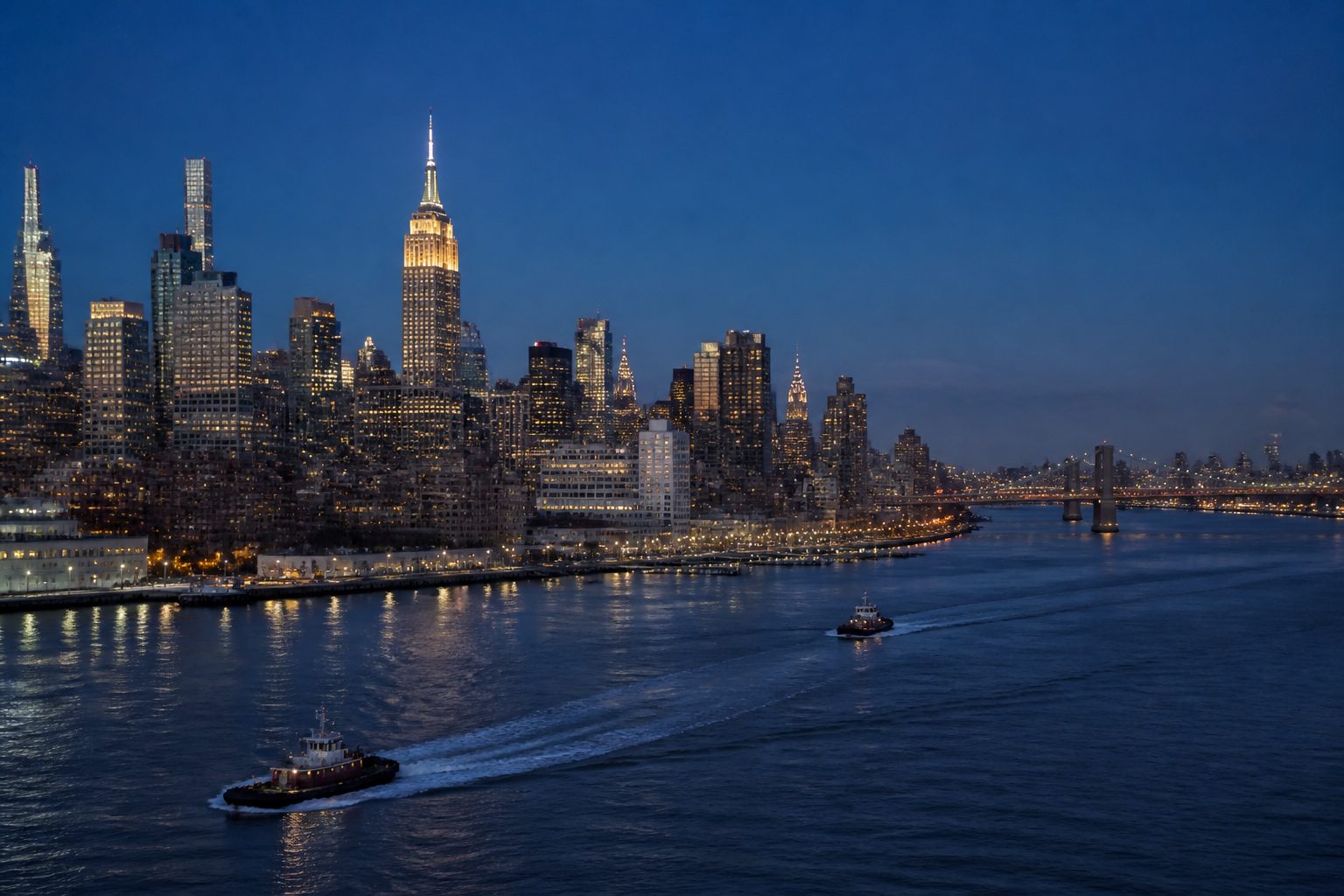
Why NYC in 2026: New Openings & Returning Classics
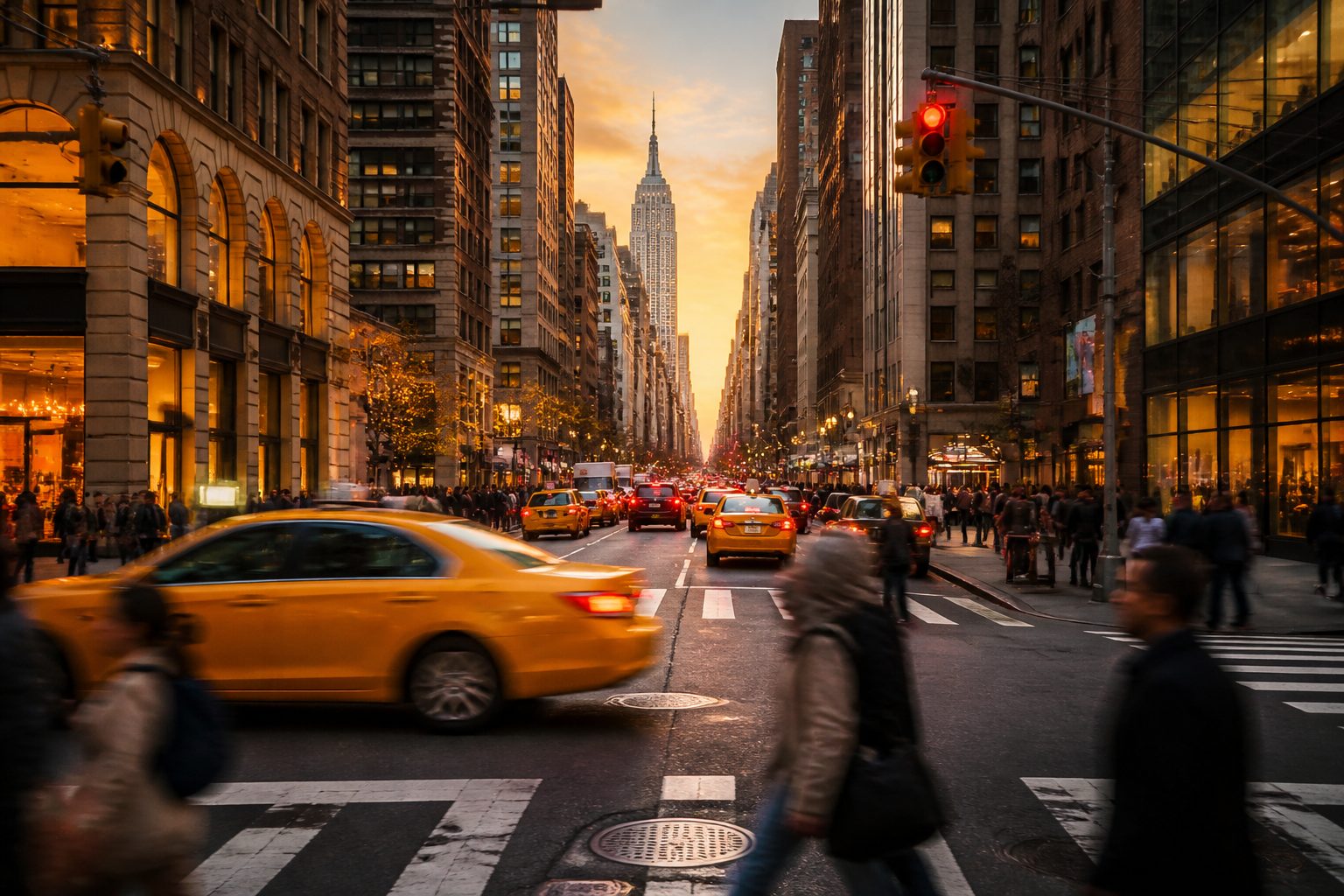
New York has a way of convincing you that you showed up at exactly the right moment. In 2026, that conviction is genuinely earned. MetLife Stadium in East Rutherford, New Jersey hosts FIFA World Cup 2026 matches, drawing hundreds of thousands of supporters from every corner of the world throughout the summer tournament window. Midtown pulses harder than usual. The Queens neighborhoods hum in four dozen languages. And the outer boroughs lean proudly into identities that no summer tourism wave can dilute.
Beyond the tournament, you will discover a city that has quietly but decisively reimagined several of its own landmarks. New gallery openings in the Meatpacking District, a refreshed dining scene spreading through Bushwick and Crown Heights, and the continued expansion of the Brooklyn waterfront parks all reward the traveler willing to walk past the familiar tourist map. Restaurant Week returns in both January and July 2026, a twice-annual tradition that unlocks three-course lunches and dinners at some of the city’s most coveted tables for roughly $30 to $60 — genuine value in a city that does not discount itself lightly.
The emotional charge of New York in 2026 resists easy description, so specifics will do the work: the salt-and-steam smell of a corner halal cart at 11 p.m. on Ninth Avenue, the low thunder of a 4 express train barreling through a local station at 86th Street, the way the light turns gold on the Manhattan Bridge every clear evening around 6:15. This is the year to go. The city is ready for you.
Best Hotels in NYC by Neighborhood
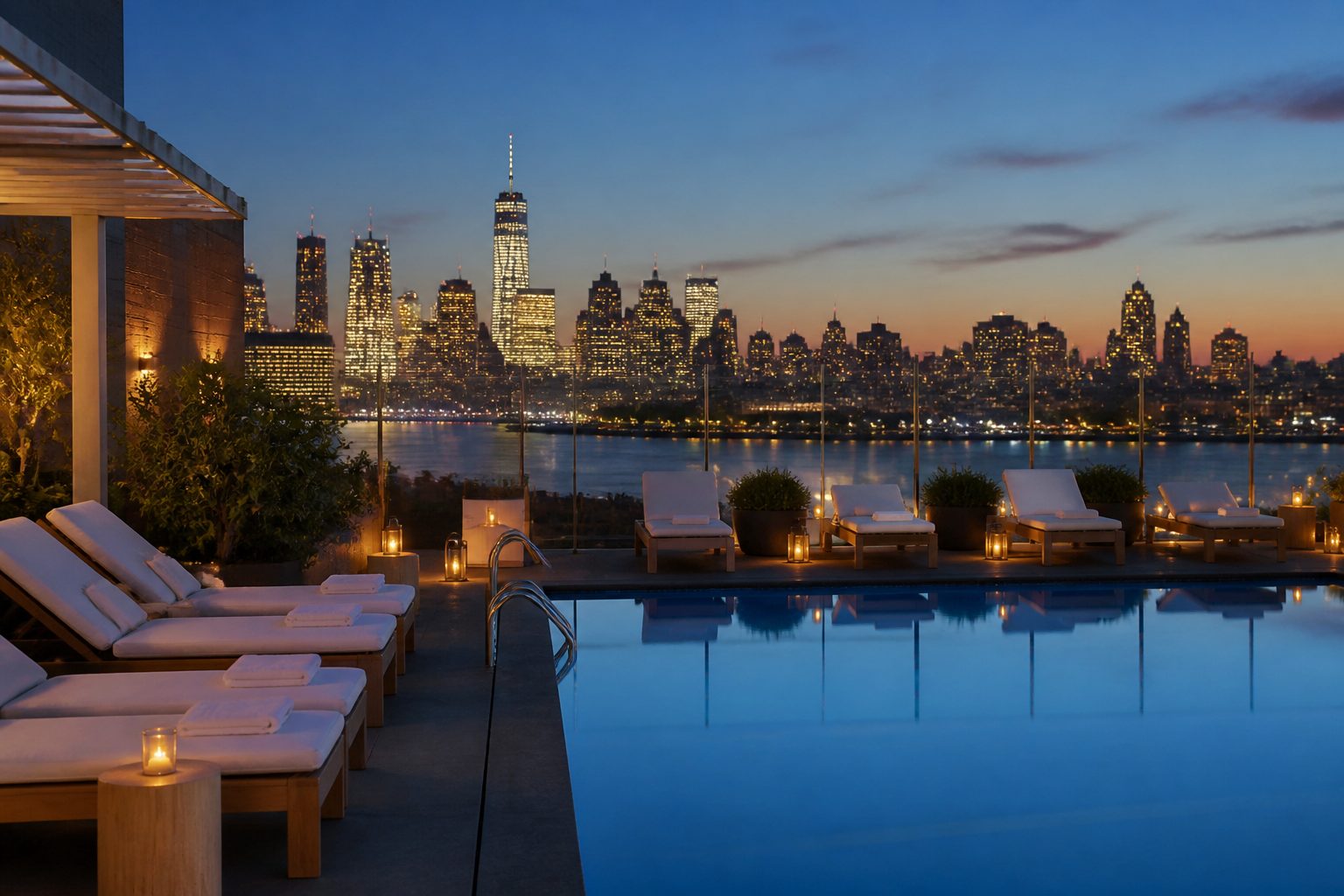
Where you sleep in New York determines more than comfort. It shapes the entire texture of your trip. Midtown West, anchored between Times Square and Hell’s Kitchen, delivers transit access that borders on absurd convenience — steps from the A, C, E, and 1 subway lines, walking distance from Broadway theaters, and close enough to Penn Station for day-trip departures. The InterContinental Times Square, citizenM Times Square, and the Yotel are reliable performers in this corridor, each offering tightly designed rooms that trade square footage for an extraordinary location.
SoHo and NoHo reward the traveler who wants boutique scale with serious dining on every corner. The Nolitan Hotel on Kenmare Street sits at the intersection of Nolita and SoHo, and the nearby 11 Howard — a 221-room property designed by Space Copenhagen — has become a quiet benchmark for Scandinavian-influenced luxury at a Manhattan address. Expect rack rates between $350 and $600 per night in this corridor, with weekend premiums that push higher during peak season.
For a Brooklyn-based home base, DUMBO and Williamsburg have matured into genuinely compelling alternatives to Manhattan hotels, often running 20 to 30 percent less expensive while offering skyline views that Manhattan cannot sell you from the inside. The 1 Hotel Brooklyn Bridge (194 rooms, rooftop pool, certified green building) and the William Vale in Williamsburg (183 rooms, outdoor pool, an extraordinary terrace overlooking the skyline) have established themselves as destination hotels in their own right — not consolation prizes for travelers who missed out on Manhattan.
For the most complete price comparison across all these neighborhoods, Compare NYC hotels on Booking.com to filter by area, check-in flexibility, and cancellation policy in a single view. If you book hotels frequently, locking in savings through US – Save 10% or more on hotels with Member Prices through Hotels.com adds up meaningfully on a multi-night New York stay where base rates are already elevated.
NYC Apartment Rentals: Legal Considerations & Vrbo Options
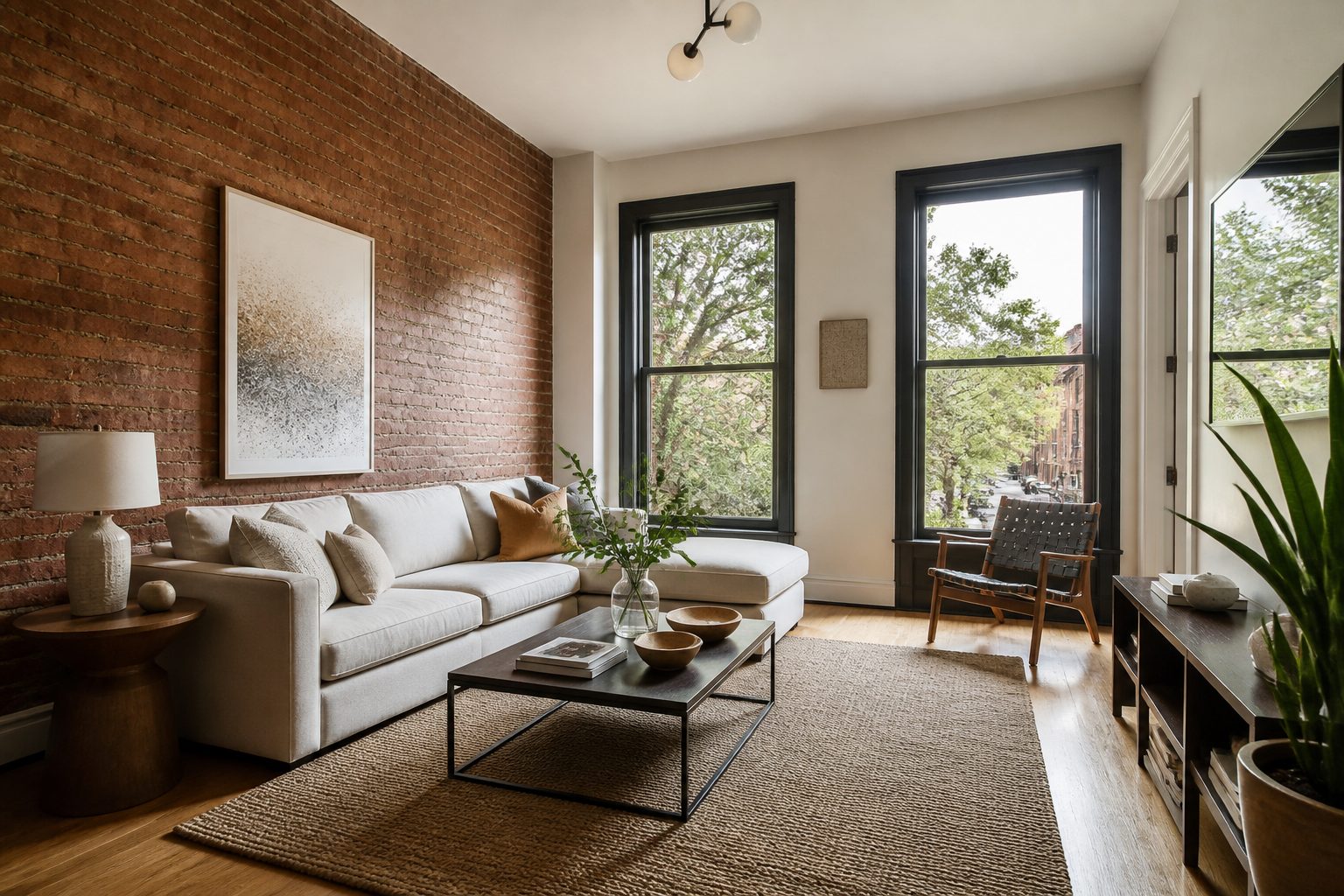
You may have noticed that short-term rental options in Manhattan have thinned dramatically in recent years. Local Law 18 requires hosts to register with the city, be physically present during any guest stay, and limit rentals to a maximum of two guests per booking — effectively eliminating the whole-apartment short-term rental market across most of New York City’s five boroughs. Enforcement has been genuine and sustained: active Airbnb listings in New York City dropped by an estimated 83 percent in the months following the law’s implementation, and that reduction has held.
What this means practically for you: if you want a self-contained apartment experience in New York with full kitchen access, private rooms, and no host underfoot, your best success comes from looking at outer-borough options, or considering extended-stay hotels in Midtown that offer kitchenette suites. Hoboken, Jersey City, and Astoria in Queens all sit within 20 to 30 minutes of Midtown Manhattan via PATH train or subway, and they operate in a more permissive short-term rental environment than Manhattan proper.
For travelers who genuinely need apartment-style space — families traveling with children, groups of four or more, or anyone staying longer than five nights — Find vacation rentals in New York on Vrbo to browse verified whole-unit listings that navigate host-registration requirements. The inventory skews toward Brooklyn, Astoria, and the outer neighborhoods of Manhattan where Local Law 18 compliance is more achievable by individual hosts. You can also use Vrbo – Find your vacation rental to search for longer-stay weekly deals, which frequently unlock discounts of 15 to 25 percent off the nightly rate — meaningful savings in a city where accommodation is the single largest line item in most travel budgets.
Getting Around NYC: Subway, Citi Bike & When to Skip the Car
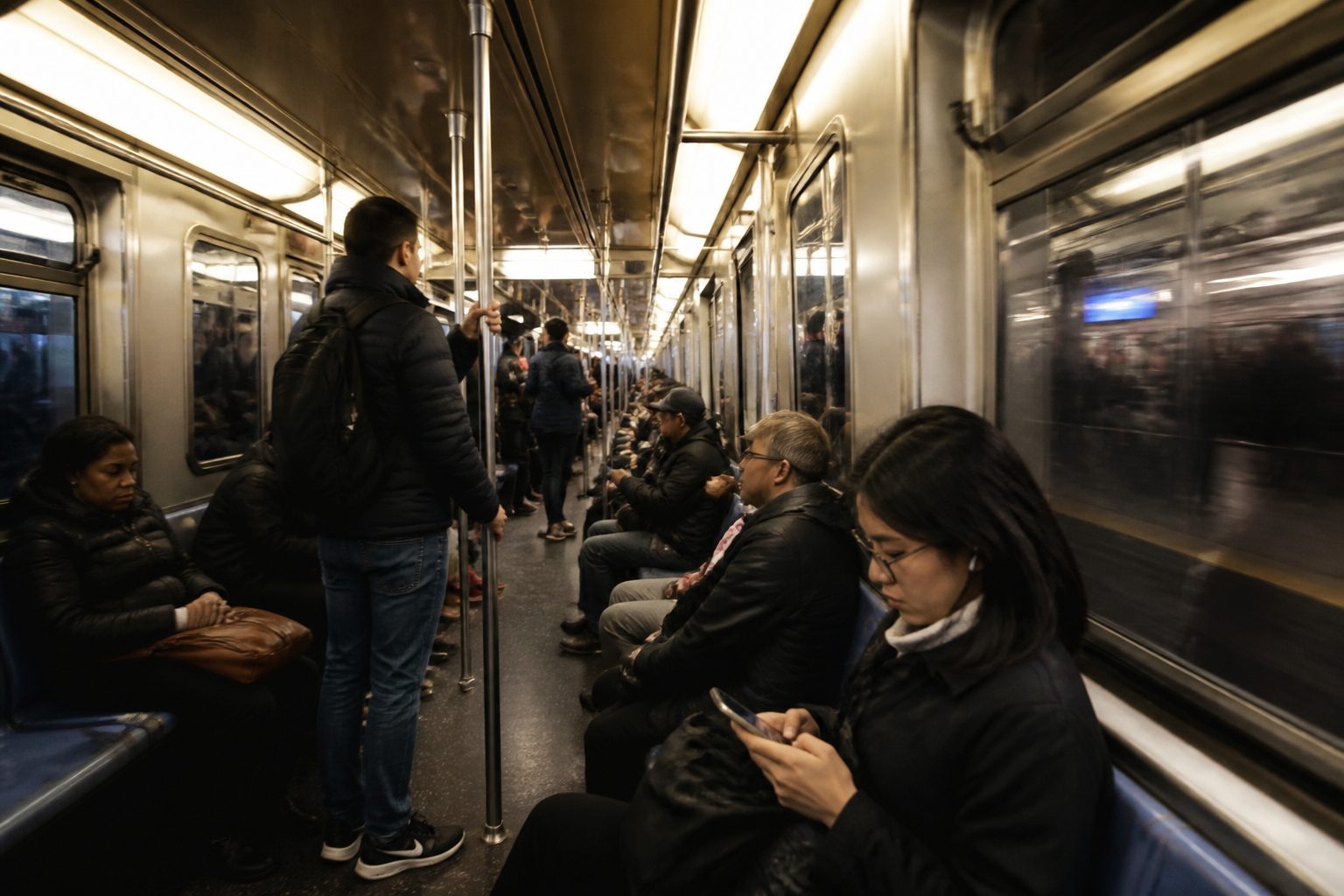
The subway is still the fastest, cheapest, and most honest way to understand New York. A single ride costs $2.90 using OMNY, the city’s contactless payment system that accepts any tap-to-pay card, Apple Pay, or Google Pay directly at the turnstile. No physical card purchase required. Better still, the OMNY system automatically caps your weekly spending at $34 after 12 paid rides, effectively granting unlimited subway and local bus access for the remainder of that calendar week — a genuine bargain for visitors covering multiple neighborhoods per day.
Getting into the city from the airports has never been more straightforward. LaGuardia Airport’s new AirTrain, which opened in 2024, connects the terminal directly to the Willets Point–Mets Citi Field station on the 7 train, placing Midtown Manhattan roughly 30 to 40 minutes away with a single direct transfer. JFK’s existing AirTrain costs $8.50 and connects to both the A and E subway lines at Howard Beach and Jamaica respectively. For Newark Liberty International, the AirTrain runs $8.25 and links to New Jersey Transit trains terminating at Penn Station in Manhattan in approximately 30 minutes — a total journey that competes favorably with any car service during peak hours.
Driving into Manhattan below 60th Street now comes with a congestion pricing toll of $9 per day for passenger vehicles, a program that launched in January 2025. The charge applies once per day regardless of how many times you cross the cordon, and it covers all tunnels and bridges entering the tolled zone. For most visitors, renting a car for in-city use makes little financial sense. But if you are planning a Hudson Valley excursion, a Long Island North Fork wine trail afternoon, or a visit to Storm King Art Center — all of which we cover in the day trips section below — having your own vehicle unlocks a genuinely different New York experience. You can Compare NYC-area car rentals on EconomyBookings to find competitive daily rates at JFK, LaGuardia, and Newark airports from a range of international providers.
Citi Bike’s e-bike fleet has expanded significantly across Manhattan, Brooklyn, and western Queens. Day passes cost $19 and annual memberships run $215, both covering unlimited 45-minute rides. The electric-assist bikes flatten hills and make borough-crossing rides feel effortless — the loop from the Brooklyn Bridge down to DUMBO, along the waterfront to Brooklyn Bridge Park, and back up toward Prospect Park is one of the city’s finest half-day routes entirely under pedal power.
5-Day NYC Sample Itinerary: Downtown to Midtown to Brooklyn to Uptown
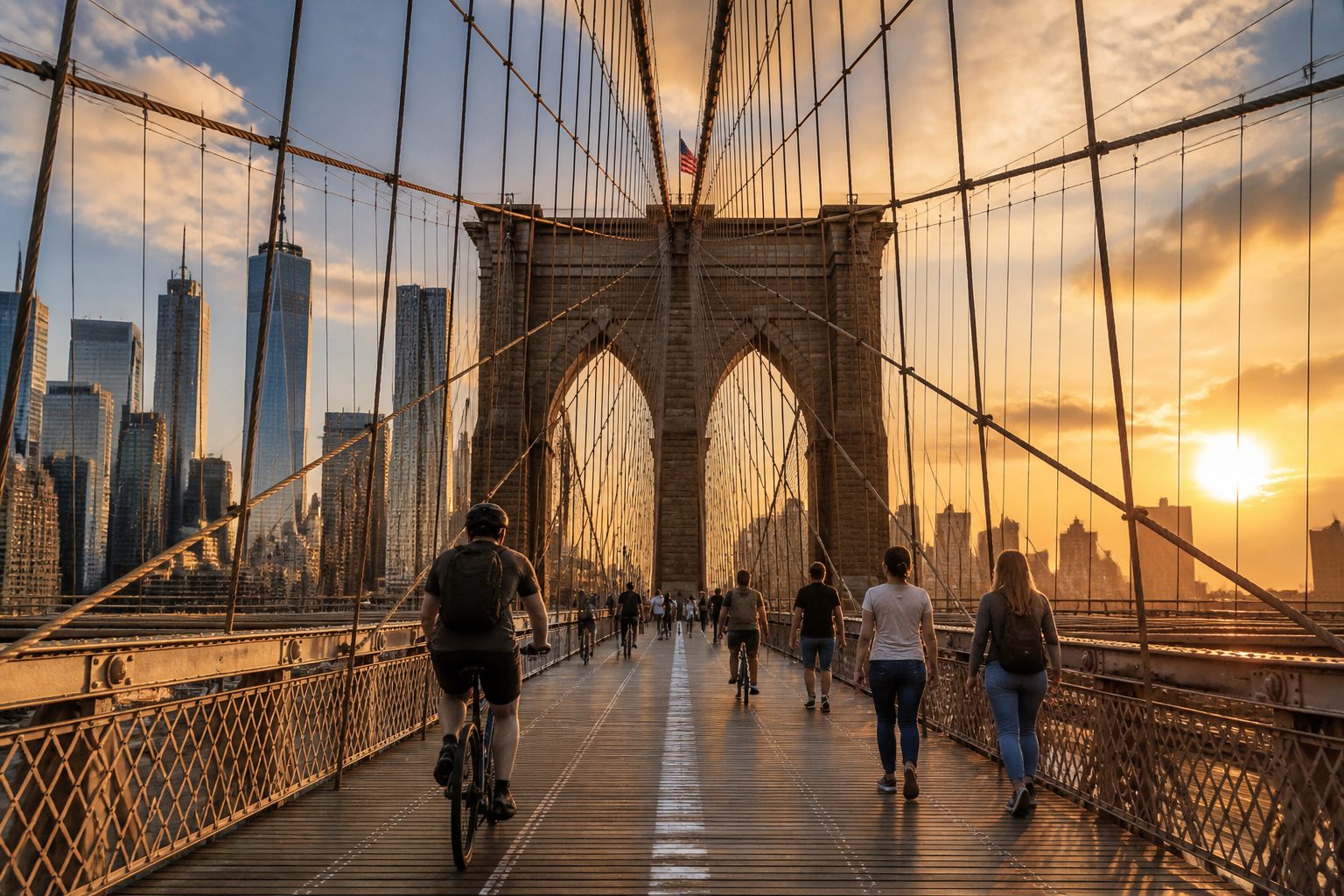
Day one belongs to Lower Manhattan. Start at the 9/11 Memorial and Museum, which opens daily at 9 a.m. and requires advance reservations at $30 per adult. Walk north through Tribeca’s cobblestone streets — the stretch of Hudson Street between Chambers and Canal is among the most handsome in the city — then east into the Financial District for lunch at one of the Vietnamese and Thai spots that have colonized the Fulton Street corridor. The afternoon is for the Brooklyn Bridge on foot. The walk from City Hall Park to DUMBO takes about 20 minutes and ends at Brooklyn Bridge Park, where you should allow at least an hour to simply sit and watch the Manhattan skyline from a distance that actually makes it comprehensible.
Day two is Midtown and the city’s great institutions. The Metropolitan Museum of Art on Fifth Avenue anchors the morning with a suggested admission of $30 for adults (open until 9 p.m. on Fridays and Saturdays). Walk south along Fifth Avenue through Rockefeller Center, where the Top of the Rock observation deck provides a panorama that includes the Empire State Building in its full vertical drama — a view impossible from the ESB’s own deck. In the evening, a Broadway show needs no further justification. The Theater District, roughly between West 41st and West 54th streets, has over 40 active venues running on any given night.
Day three is Brooklyn in full. Begin on Williamsburg’s Bedford Avenue corridor for coffee from one of the neighborhood’s serious independent roasters, then take the G train south to Bed-Stuy for lunch before continuing to the Brooklyn Museum, which offers free admission on the first Saturday of each month after 5 p.m. The museum’s collection spans ancient Egyptian artifacts to Kehinde Wiley portraits and rarely disappoints across any wing. Return to Manhattan via the J or M train for dinner on the Lower East Side.
Day four earns its Uptown designation. Start at the American Museum of Natural History on the Upper West Side (suggested admission $28), cross Central Park on foot through the Ramble, then arrive at the Frick Collection on Fifth Avenue at 70th Street, now fully restored in its Gilded Age mansion. The Upper East Side’s restaurant corridor along Second and Third avenues between 70th and 86th streets offers dinner at prices notably below Midtown for equivalent quality.
Day five is yours to shape. A morning in Jackson Heights, Queens — reachable in 25 minutes from Midtown on the 7 train — drops you inside what may be the most culinarily diverse neighborhood on the planet. The afternoon at MoMA PS1 in Long Island City (free with MoMA membership, $10 standalone) is best followed by a Citi Bike ride back toward Midtown across the Queensboro Bridge at sunset. For ground transportation logistics between neighborhoods, especially if you are traveling with luggage or a group, our NYC airport and city transfer guide walks through every scenario from JFK arrival to hotel check-in.
Where to Stay by Neighborhood: Midtown, SoHo, LES & Williamsburg
Choosing a home base in New York is less about finding the objectively best neighborhood and more about matching your priorities to a physical address. Midtown West and the Theater District make obvious sense if Broadway, Madison Square Garden events, or a conference at the Javits Center are central to your trip. You trade neighborhood character for pure convenience — every major subway line, Penn Station Amtrak, and Grand Central Terminal are within a 15-minute walk of virtually any Midtown hotel address.
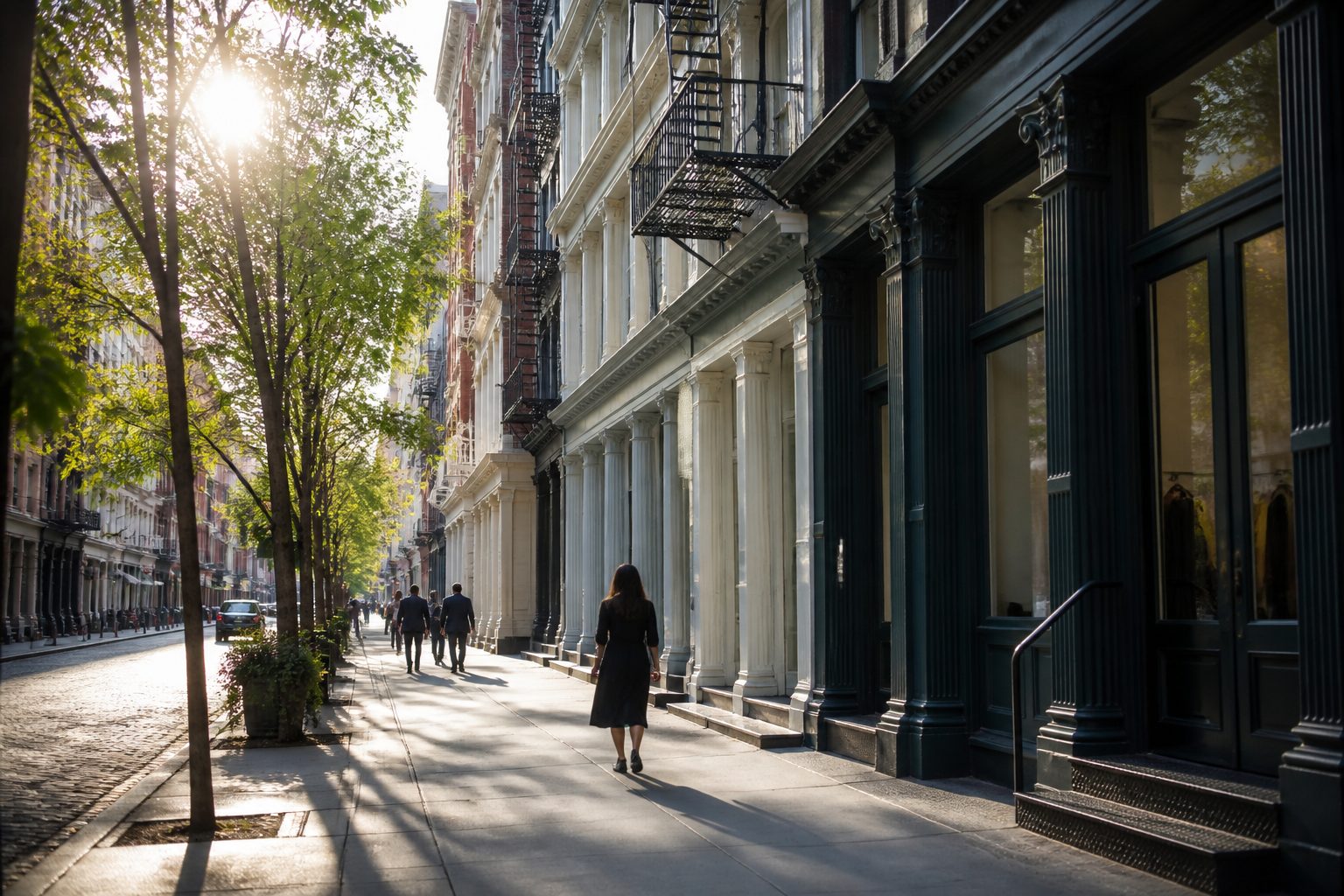
SoHo and NoHo offer what Midtown cannot: a human scale, cast-iron architecture that photographs beautifully at any hour, boutique retail that has not been entirely replaced by luxury chains, and restaurants with genuine neighborhood regulars. The tradeoff is distance from cultural institutions north of 59th Street — the Met, the American Museum of Natural History, the Guggenheim — which will require a subway ride. Prince Street in SoHo on a Saturday morning, coffee in hand with the light catching the building facades from the east, is one of the city’s great unreplicable experiences.
The Lower East Side delivers a density of bars, live music venues, and late-night restaurants compressed into roughly eight blocks east of the Bowery. Authentic and slightly unpolished at its eastern edges — which is precisely the appeal for the traveler who wants to feel the city rather than observe it from a hotel lobby. The Ludlow Hotel on Ludlow Street and the Hotel on Rivington at the edge of the neighborhood both offer design-forward rooms at rates that undercut comparable Midtown properties by a meaningful margin.
Williamsburg has completed its transformation from post-industrial to polished without entirely losing the creative energy that originally drew people across the East River. The L train and the J, M, and Z lines collectively put you in Manhattan in 8 to 15 minutes depending on your destination. For a full breakdown of where to sleep, eat, and explore in Brooklyn, our Brooklyn travel guide covers every major sub-neighborhood from DUMBO to Park Slope with specific hotel, restaurant, and transit recommendations.
Beyond Manhattan: Brooklyn, Queens & Day Trips Worth the Commute
New York’s outer boroughs reward curiosity generously. Queens — the most ethnically diverse urban county in the United States by most measures — contains Flushing’s Chinatown, which is larger and more varied than Manhattan’s; Jackson Heights, where South Asian and Latin American food traditions converge on a single avenue; and Astoria, whose Greek coffee houses and Middle Eastern bakeries have anchored the neighborhood for generations. None of these require more than 30 minutes from Midtown by subway. And none of them resemble the New York that most travel guides lead with.
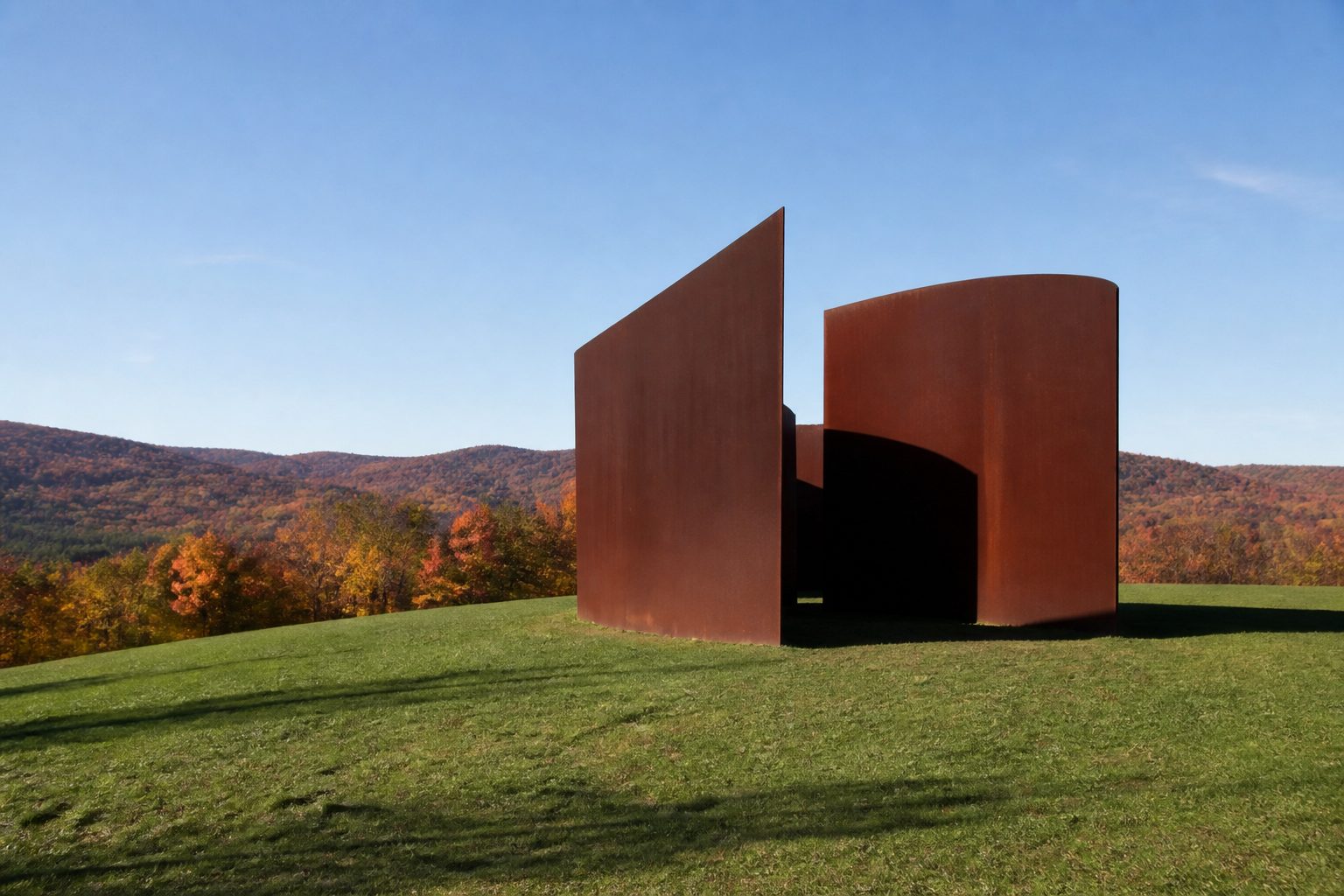
For day trips, the landscape just north and east of the city is quietly exceptional. Storm King Art Center in New Windsor, New York — roughly 60 miles north via the Palisades Parkway — ranks among the finest outdoor sculpture parks in the world: 500 acres of Hudson Valley terrain populated by works from Alexander Calder, Richard Serra, Andy Goldsworthy, and Maya Lin. Admission is $20 for adults, and the park operates seasonally from April through mid-November. A car makes the visit dramatically easier than public transit.
Beacon, New York is 90 minutes north of Grand Central on the Metro-North Hudson Line. Dia Beacon, housed inside a converted Nabisco box-printing factory, holds a world-class collection of minimalist and post-minimalist art — Richter, Serra, Judd, Turrell — displayed with the kind of room and light that museum buildings in Manhattan simply cannot provide. Standalone admission is $20. The town of Beacon itself has become a genuine small-arts destination worth an afternoon of wandering.
The Hudson Valley wine trail and Long Island’s North Fork wine region, reachable by LIRR from Penn Station to Riverhead in about 90 minutes, both offer half-day or full-day itineraries that pair naturally with a Friday departure. For World Cup 2026 match days, MetLife Stadium sits in East Rutherford, New Jersey, and is reachable by NJ Transit train from Penn Station in approximately 30 minutes. Hotel prices in Hoboken and Jersey City will be significantly more manageable than Midtown on match days. Our Hudson Valley day trips guide maps every route from the city with both transit and driving options, including seasonal ferry connections.
When to Visit NYC in 2026: Seasonal Reality & Money-Saving Tips
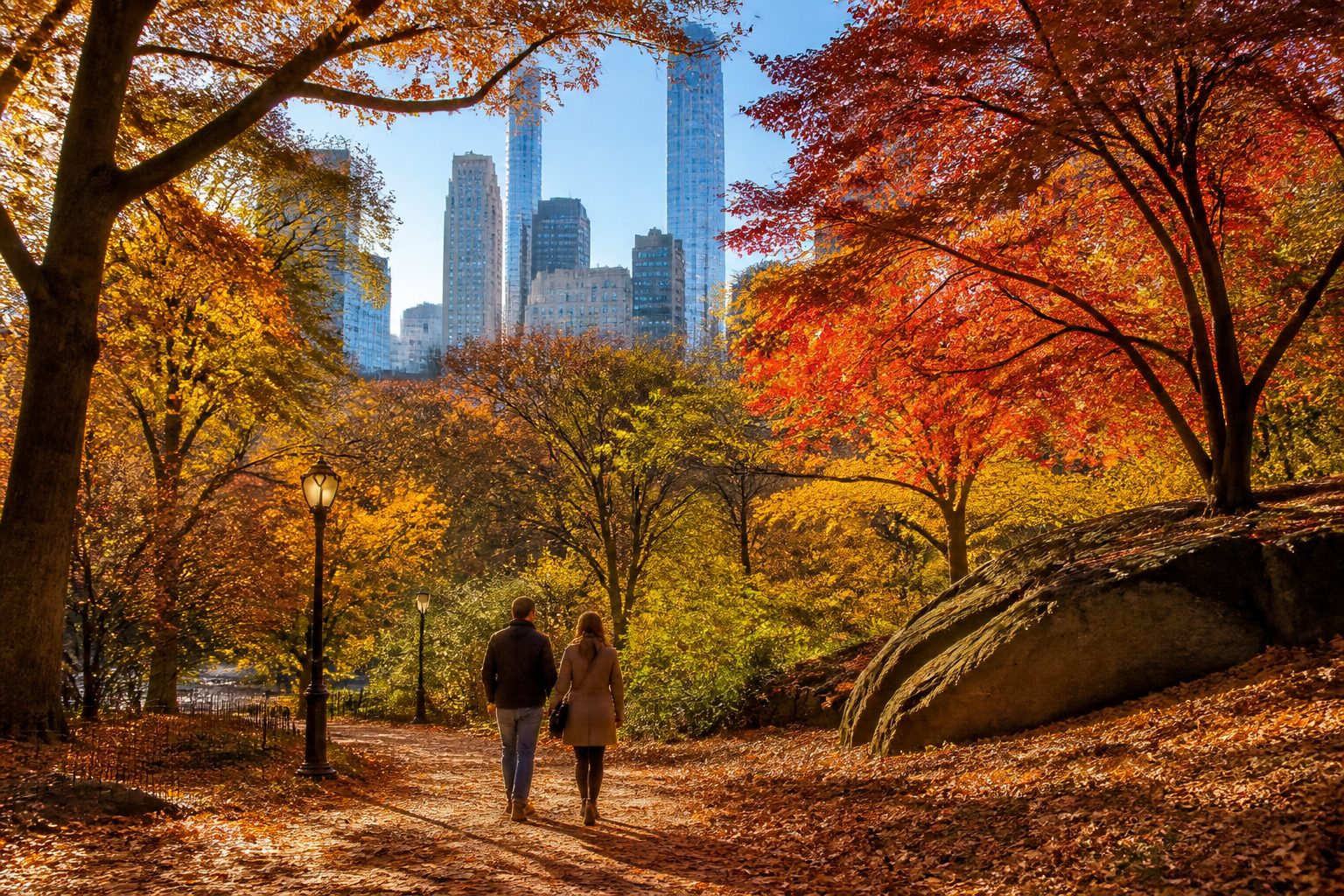
September and October remain New York’s finest months by nearly any objective measure — mild temperatures between 60 and 75 degrees Fahrenheit, lower precipitation than spring, the city’s energy restored after summer, and the visual payoff of Central Park turning amber and gold in mid-October. May and early June offer comparable conditions on the spring side, though rain probability is higher and the city’s cultural calendar is slightly less full.
The conventional wisdom about avoiding summer is overstated. July and August are hot and humid, yes, but Restaurant Week runs in July, rooftop bars and outdoor concert series hit their peak, and the city’s international visitor mix reaches its most varied point of the year. If you are visiting specifically for World Cup matches at MetLife Stadium in summer 2026, plan accommodations at least three months in advance and consider outer-borough or New Jersey bases to avoid tournament-period premiums in Midtown.
Avoid the ten days surrounding Christmas and New Year’s Eve in Midtown unless peak crowds, premium prices, and a very specific kind of festive chaos are part of the appeal. If the Rockefeller Center tree, the Fifth Avenue window displays, and the Central Park skating rinks are your reason for visiting — and these are not small reasons — then go with full awareness that hotel rates will be 200 to 300 percent above the September baseline and that Times Square on December 31 is genuinely not for everyone.
January and February are New York at its most honest: cold, occasionally brutal, but also the period of lowest hotel rates, shortest museum queues, and Restaurant Week’s winter edition offering multi-course meals at otherwise expensive restaurants for a fixed price. A three-night January stay in a property that costs $400 per night in September can sometimes be found for $180 to $220. Practical money-savers for any season: use OMNY contactless payment and benefit from the automatic $34 weekly fare cap after 12 rides, eat lunch at restaurants where dinner covers are prohibitive, ride the free Staten Island Ferry for a Statue of Liberty harbor view that costs nothing, and consider the New York CityPASS at $142 for adults, which bundles the Empire State Building, Top of the Rock, the Metropolitan Museum, the American Museum of Natural History, and the 9/11 Memorial Museum at a significant discount over buying each ticket individually.
Frequently Asked Questions
September and October are generally the best months — mild temperatures between 60 and 75°F, low rainfall, and full cultural programming. May and early June are also excellent. January and February offer the lowest hotel rates and shortest museum waits, with Restaurant Week running in January. Summer is hot but lively, especially with FIFA World Cup 2026 matches at MetLife Stadium throughout the tournament window.
A single subway ride costs $2.90 using OMNY, the contactless tap-to-pay system that works with any credit card, Apple Pay, or Google Pay at the turnstile. After 12 paid rides in a calendar week, OMNY automatically caps further charges at $34 total — effectively unlimited subway and local bus access for the rest of that week. No MetroCard purchase is required.
Whole-apartment short-term rentals are heavily restricted in New York City under Local Law 18. Hosts must register with the city, be physically present during any guest stay, and accommodate no more than two guests. This has eliminated most traditional whole-apartment listings in Manhattan. Legal vacation rental options are more plentiful in outer boroughs via platforms like Vrbo, and extended-stay hotel suites are a reliable alternative.
Passenger vehicles entering Manhattan below 60th Street are charged a congestion pricing toll of $9 per day, a program that launched in January 2025. The charge applies once per day regardless of how many times you cross the cordon boundary, and it covers all tolled bridges and tunnels entering the designated zone.
Yes, significantly. MetLife Stadium in East Rutherford, New Jersey hosts World Cup 2026 matches, and Midtown Manhattan hotels are expected to carry substantial premiums on match days and throughout the tournament window. Booking at least three to four months in advance is strongly recommended. Hoboken, Jersey City, and outer-borough neighborhoods in Queens and Brooklyn will offer more affordable options with reasonable transit access to the stadium via NJ Transit from Penn Station.
The most affordable option is the JFK AirTrain, which costs $8.50 and connects to both the A train at Howard Beach and the E and J/Z trains at Jamaica station. The total journey to Midtown Manhattan runs approximately 50 to 70 minutes depending on your destination and connection timing. This is significantly cheaper than a taxi (flat rate $70 plus tolls and tip) or rideshare during peak hours.
LaGuardia’s new AirTrain, which opened in 2024, connects the airport terminals to the Willets Point–Mets Citi Field station on the 7 train. From there, the 7 train runs express to Times Square–42nd Street in approximately 20 minutes, placing the total journey at roughly 35 to 45 minutes depending on terminal and connection timing. This is the fastest and most reliable option during peak traffic hours.
Midtown West offers maximum transit convenience and proximity to Broadway, Penn Station, and Grand Central — ideal if you plan to cover a lot of ground. SoHo and NoHo suit travelers who want boutique hotels and a walkable dining scene. Williamsburg in Brooklyn provides a vibrant, local atmosphere with Manhattan access in about 10 minutes via the L train, often at lower prices than equivalent Manhattan hotels.
NYC Restaurant Week is a biannual promotion during which hundreds of participating restaurants offer fixed-price lunches and dinners at $30 to $60 per person — considerably below their normal à la carte pricing. The promotion runs for approximately three weeks each time and is scheduled in January and July 2026. Reservations fill quickly at popular restaurants, so booking as soon as the participating list is announced is advised.
Storm King Art Center in New Windsor, NY (about 60 miles north, open April through November, $20 admission) is one of the finest outdoor sculpture parks in the world. Beacon, NY, 90 minutes by Metro-North from Grand Central, hosts Dia Beacon’s extraordinary minimalist art collection. The Long Island North Fork wine region is reachable by LIRR in about 90 minutes. All three make rewarding full-day excursions and are most easily accessed by car, though transit options exist for Beacon.
Yes, especially if you plan to use it multiple times per day. A day pass costs $19 and covers unlimited 45-minute rides, and the electric-assist bikes make longer routes between neighborhoods comfortable even for occasional cyclists. The e-bike fleet is widely available across Manhattan, Brooklyn, and western Queens. The Brooklyn Bridge to DUMBO to Brooklyn Bridge Park route is a particular highlight and requires no subway connection.
MetLife Stadium is located in East Rutherford, New Jersey, approximately 8 miles from Midtown Manhattan. The most convenient transit route is NJ Transit train from Penn Station to the Meadowlands Sports Complex station, a journey of about 30 minutes. On match days, dedicated stadium express service typically runs from Penn Station. Allow extra time during peak tournament periods as crowds will be heavy.
