
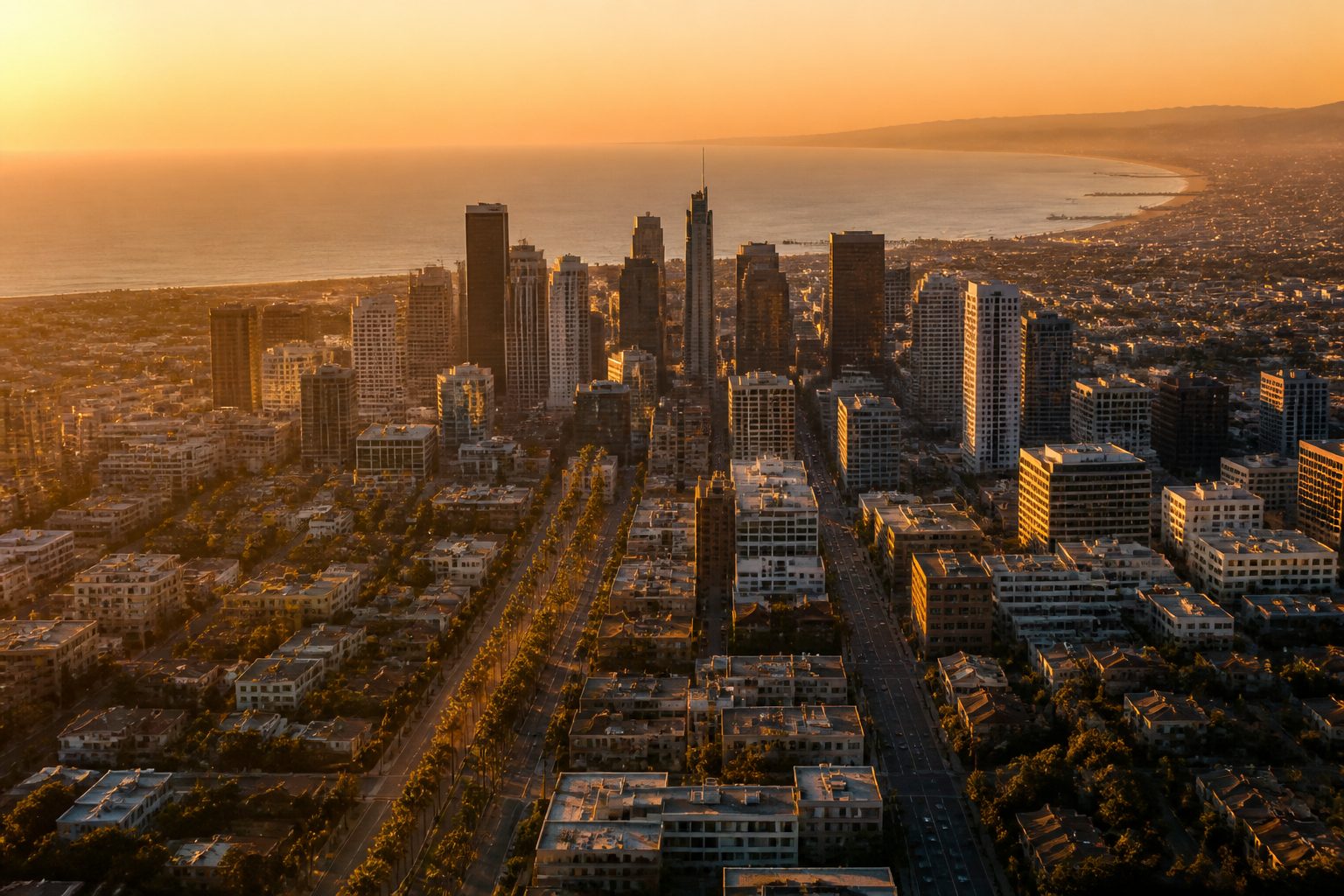
Los Angeles 2026: Why It’s a Once-in-a-Generation Trip
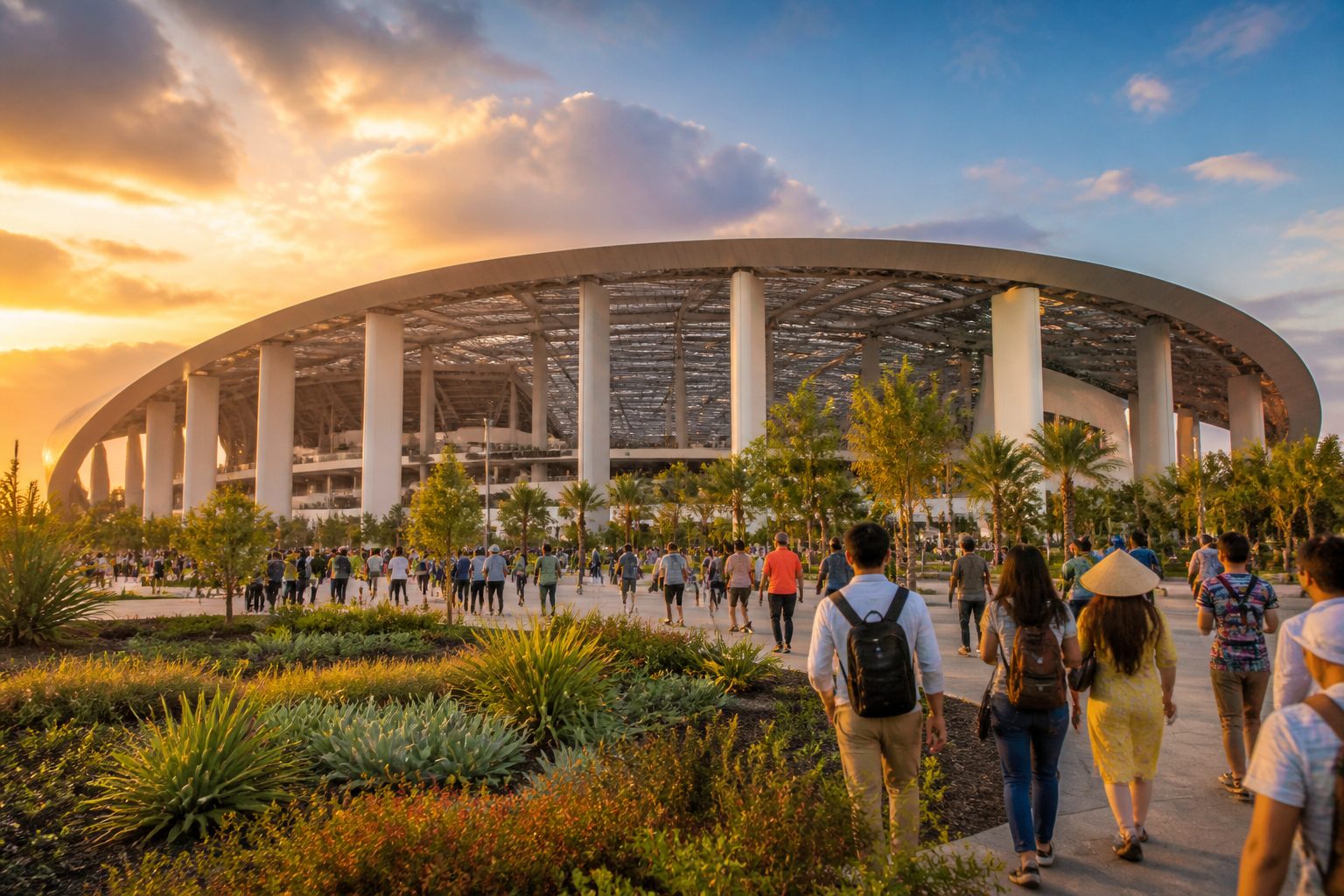
You can feel it the moment you land. There is a charge in the LA air in 2026 — something between anticipation and full-tilt momentum. The city is deep in LA28 Olympic preparations, and while construction is visible in neighborhoods like Inglewood and parts of downtown, the energy radiating through the streets is palpable and contagious. More immediately, the FIFA World Cup 2026 brings international football to SoFi Stadium in Inglewood, with matches scheduled across the summer — a genuine reason to book now before accommodation prices climb steeply.
Beneath the spectacle, something quieter is happening. LA is experiencing a genuine cultural renaissance. The recently expanded Lucas Museum of Narrative Art in Exposition Park opens its doors to full capacity programming in 2026, joining the Getty, LACMA, and The Broad in forming a museum corridor that rivals any in America for ambition and depth. The Metro D Line extension — long overdue — is finally bringing rail access to the Westside, connecting Wilshire/La Cienega and eventually Westwood to the broader network, which changes how you can move through the city more meaningfully than any upgrade in recent memory.
You’ll discover that Los Angeles rewards the traveler who approaches it not as a single destination but as a collection of distinct small cities stitched together by freeways and a shared obsession with sunshine. Each neighborhood has its own personality, its own dining culture, its own reason to linger. This guide is built to help you experience the whole of it — efficiently, luxuriously, and with your eyes open.
Best Hotels in Los Angeles by Neighborhood
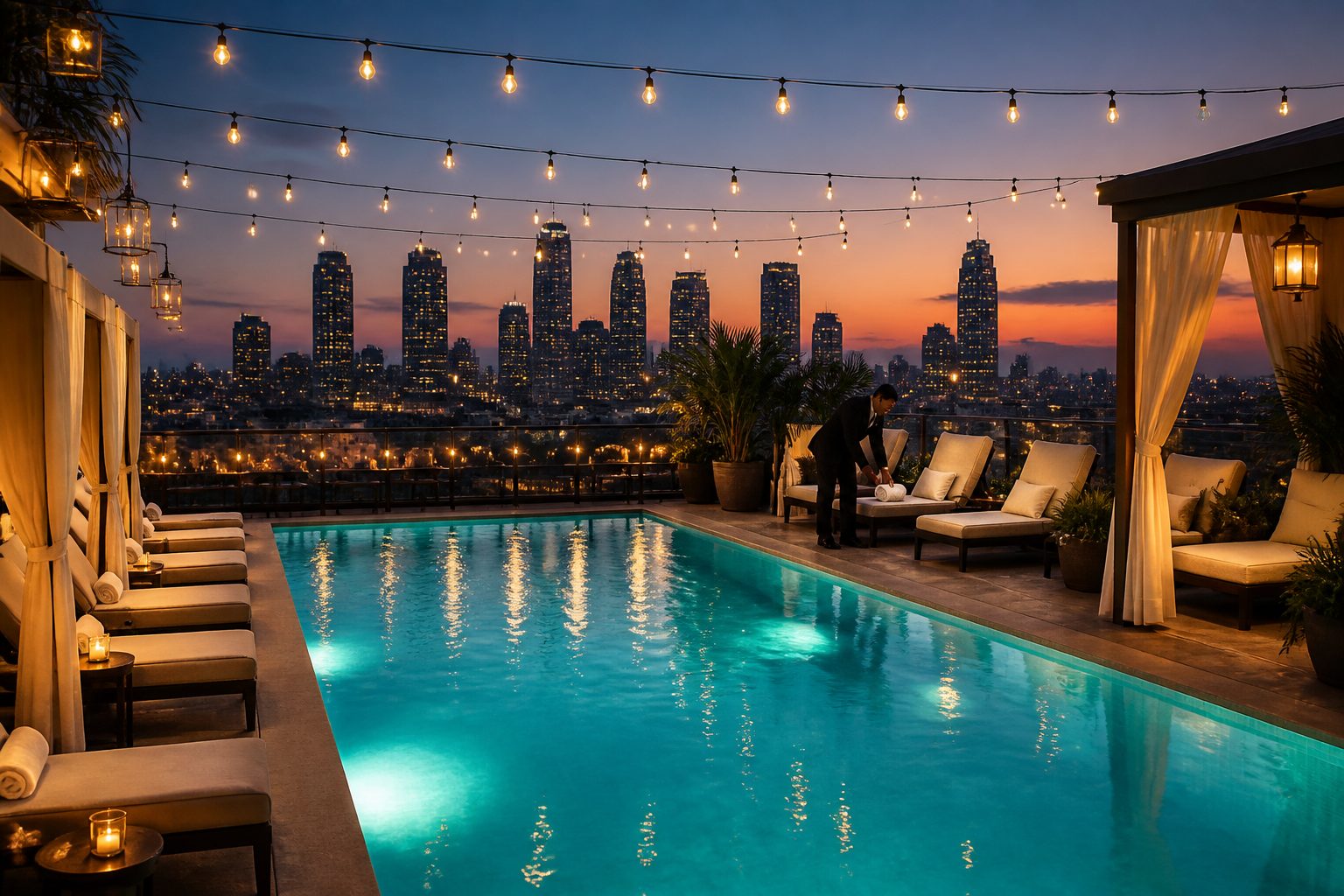
Where you sleep in Los Angeles defines your entire trip more than in almost any other major city. The distances between neighborhoods are real. Traffic is unforgiving. And the mood of each area is distinct enough that a wrong choice can cost you hours and energy every single day.
In Santa Monica, the Fairmont Miramar Hotel & Bungalows sits above the Pacific on a bluff at 101 Wilshire Boulevard, offering 302 rooms and suites alongside a legendary fig tree courtyard that has graced the property for over a century. The gold standard for beachside luxury, with rates reflecting it. A more discreet choice on the same Westside is Shutters on the Beach in Santa Monica, a 198-room property that places you literally on the sand — an extraordinarily rare asset in a city where beach access is fiercely public but premium proximity is not.
In West Hollywood, the 1 Hotel West Hollywood opened on the Sunset Strip with 285 rooms and a rooftop pool that offers arguably the best views of the LA Basin from any hotel terrace. Sustainably oriented without sacrificing a single amenity. The Pendry West Hollywood, also on Sunset, is the neighborhood’s fashion-forward option, with interiors by Carrier and Company and a celebrity-frequented pool deck at 8430 Sunset Boulevard.
Downtown LA rewards value-conscious travelers. The Hoxton DTLA in the Arts District offers 174 rooms with an industrial-chic aesthetic, rooftop pool, and rates that frequently undercut Westside competitors by 30 to 40 percent — particularly on weekends when the corporate travel crowd evaporates. For true grandeur downtown, the Intercontinental Los Angeles Downtown occupies the upper floors of the Wilshire Grand Tower, still the tallest building west of the Mississippi at 73 stories.
In Hollywood proper, the Dream Hollywood on Selma Avenue is a 178-room boutique property with a rooftop pool and bar that draws locals as much as guests — always a reliable quality signal. The Roosevelt Hotel on Hollywood Boulevard has 300 rooms and a history stretching back to the very first Academy Awards ceremony in 1929, a verifiable piece of Hollywood mythology worth experiencing firsthand.
Compare LA hotels on Booking.com to check real-time availability across all these neighborhoods, or unlock US – Save 10% or more on hotels with Member Prices through Hotels.com if you plan to stay four nights or longer, where the savings become genuinely significant.
Los Angeles Vacation Rentals & Long-Stay Options
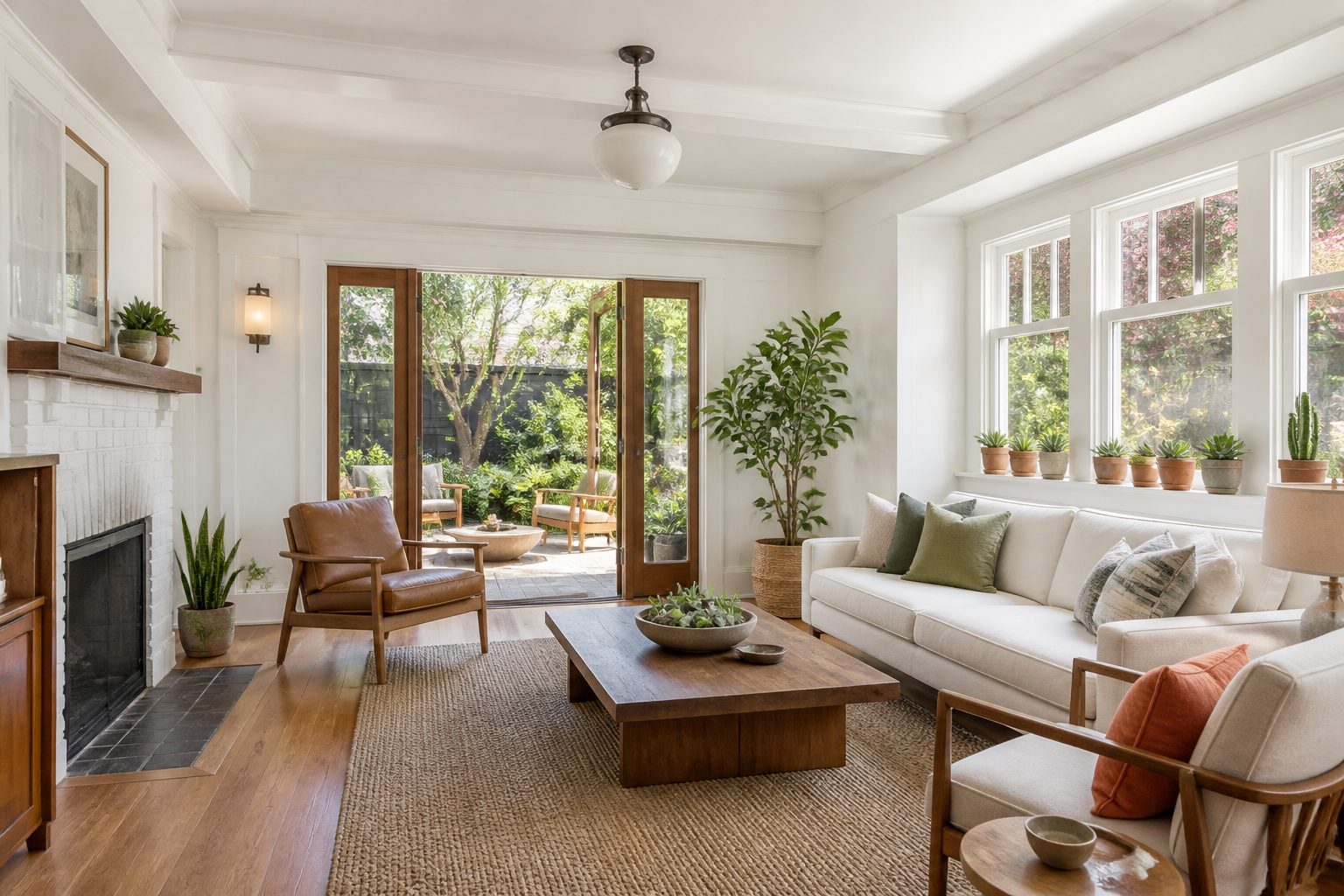
There is something a hotel corridor simply cannot give you — the feeling of actually living somewhere. Los Angeles is one of the premier vacation rental markets in the United States, and for good reason. The city’s neighborhood-centric layout means a well-chosen rental puts you inside a community rather than adjacent to it. A Craftsman bungalow in Silver Lake, a mid-century modern home in Los Feliz, a beachfront condo in Venice — these are experiences that no hotel corridor can replicate.
For families traveling with children, vacation rentals offer practical advantages that become immediately apparent: full kitchens to manage dietary restrictions and snack logistics, private outdoor spaces that eliminate the anxiety of hotel-room confinement, and multiple bedrooms that allow genuine rest. A two-bedroom rental in Venice or Silver Lake will almost always deliver more space per dollar than a comparable hotel, particularly for stays of five nights or longer.
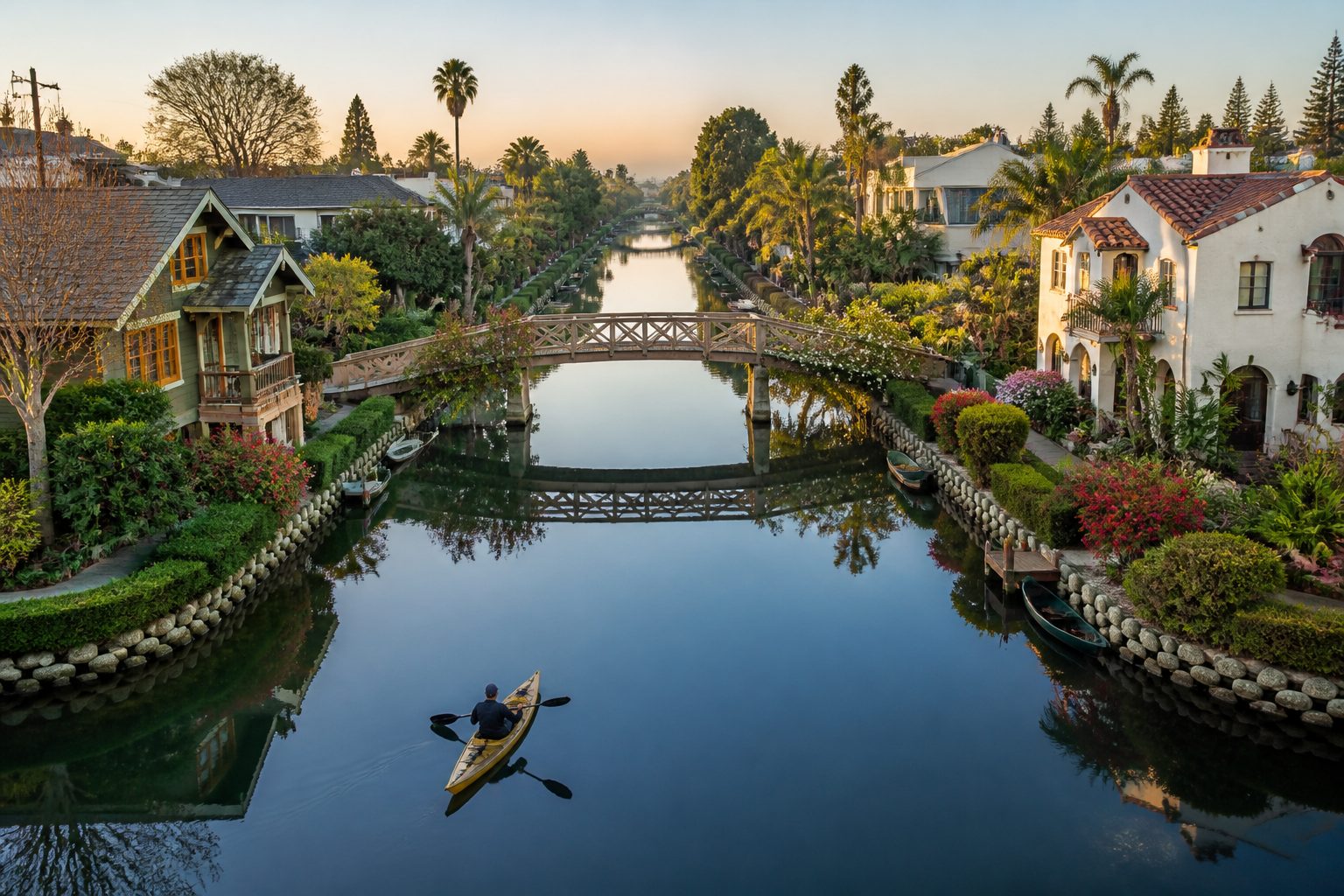
The Venice Canals neighborhood — the actual network of early 20th-century waterways built by developer Abbot Kinney in 1905 — offers rental addresses that feel unlike anything else in the city. Properties here face the water directly, morning fog drifts through in the early hours, and the Abbott Kinney Boulevard dining and retail strip is a ten-minute walk away. For a more residential, locals-flavored experience, rentals in Los Feliz put you at the edge of Griffith Park with independent coffee shops and vintage bookstores at street level.
Find your vacation rental through Vrbo – Find your vacation rental, which aggregates the most comprehensive inventory of whole-home properties across every LA neighborhood, including some genuinely exceptional hillside homes with canyon views that represent the quintessential Southern California experience.
Getting Around Los Angeles: Car Rentals, Metro & Rideshare
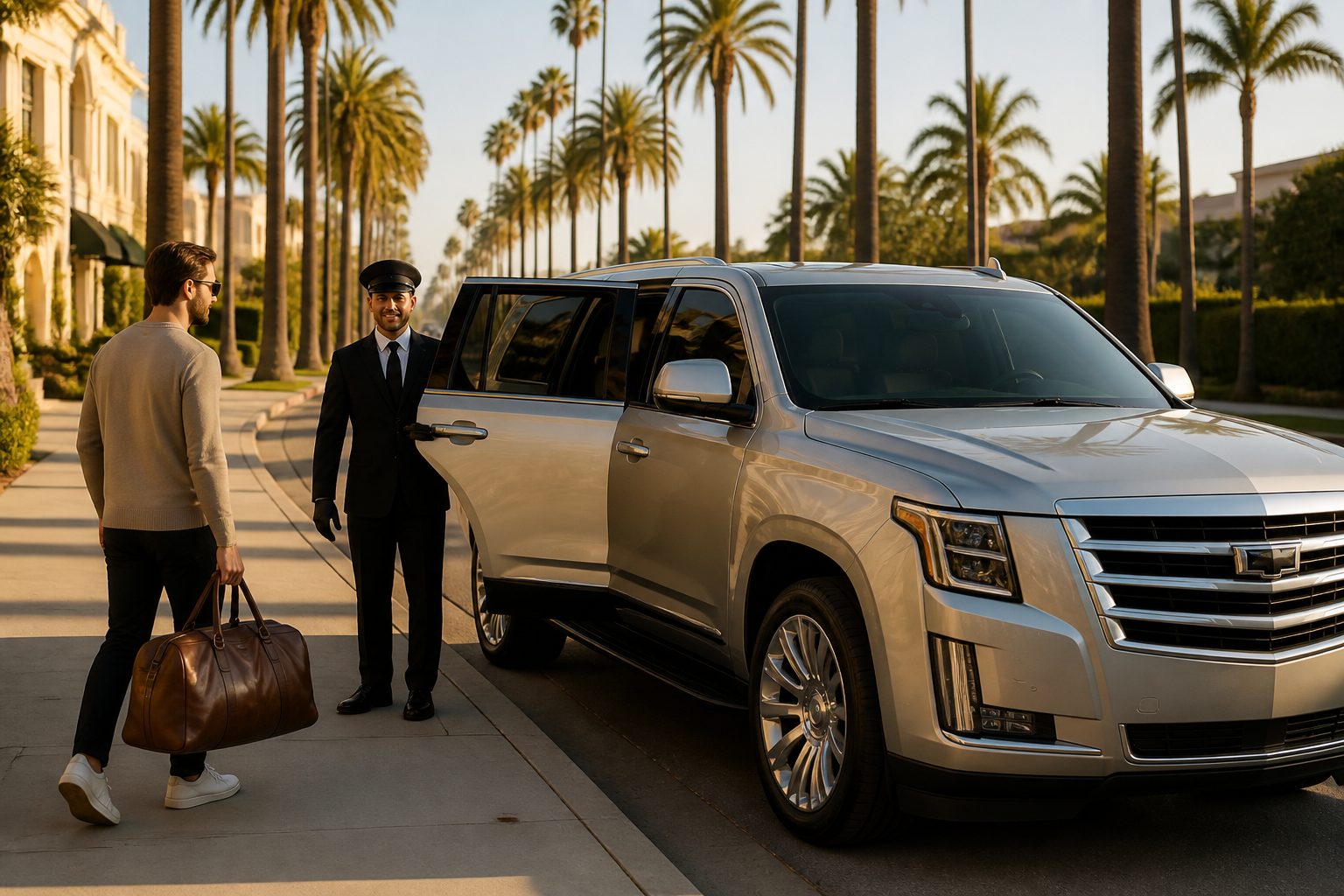
Here is the honest truth: a rental car remains the default choice for most visitors to Los Angeles, and for good reason. The city spans 503 square miles. The Metro Rail network is expanding meaningfully, but it still leaves significant gaps between major visitor attractions. Rideshare costs between neighborhoods — say, from Santa Monica to Silver Lake, or from Hollywood to Venice — routinely run between thirty and fifty dollars each way, particularly during peak evening hours. Over a five-day trip, that math becomes prohibitive very quickly.
Renting a car gives you freedom that no other option replicates. You’ll need it for Malibu, for the canyon drives, for Joshua Tree, and for any serious engagement with the city’s street-level food culture, which is distributed across strip malls and side streets in ways that cannot be navigated on foot. Compare LA car rentals on EconomyBookings to find competitive rates from major operators at LAX, BUR, and LGB — all three airport options are worth pricing simultaneously.
A note on airports: LAX is the largest and busiest, located in the southwest of the city, but it is genuinely far from Hollywood, Silver Lake, DTLA, and Burbank. If your trip centers on the northern neighborhoods or the San Fernando Valley, Burbank Bob Hope Airport (BUR) is dramatically more convenient and is served by Southwest, Alaska, and United from most major US hubs. Long Beach Airport (LGB) is ideal if you plan to catch the Catalina Express ferry, as it deposits you just minutes from the terminal.
The Metro D Line extension deserves genuine acknowledgment as a 2026 travel development. The Wilshire/La Cienega station is now operational as part of Phase 1, and Phase 2 extending to Westwood/UCLA is expected to open in stages. This matters because it finally creates a viable rail connection between the Westside and the rest of the system. For a central base like West Hollywood or Koreatown, you can now combine Metro access with a rental car to dramatically reduce the number of miles you need to drive in traffic.
5-Day Los Angeles Itinerary: Westside, Hollywood & the Beach
Day one belongs to the Westside. Base yourself in Santa Monica and spend the morning walking the paved path along the beach from Santa Monica Pier south toward Venice, a 2.7-mile stretch that drops you straight into the city’s outdoor culture with more efficiency than any other single walk. The pier itself dates to 1909 and houses the world’s only solar-powered Ferris wheel. By midday, move into Venice proper for lunch on Abbot Kinney Boulevard — Gjusta, the bakery and deli at 320 Sunset Avenue, runs one of the finest food operations in the city. Spend the afternoon walking the Venice Canals before catching sunset from the rooftop at Hotel Erwin.
Day two is for the Westside hills and culture. Drive PCH north to Malibu in the morning — the 27-mile stretch of coastline is a revelation, and Zuma Beach offers swimming conditions that Santa Monica simply cannot match for crowd density. In the afternoon, the Getty Center at 1200 Getty Center Drive is free admission (parking is eighteen dollars) and holds one of the finest collections of Impressionist paintings in the Western United States. The architecture by Richard Meier is itself worth the visit.
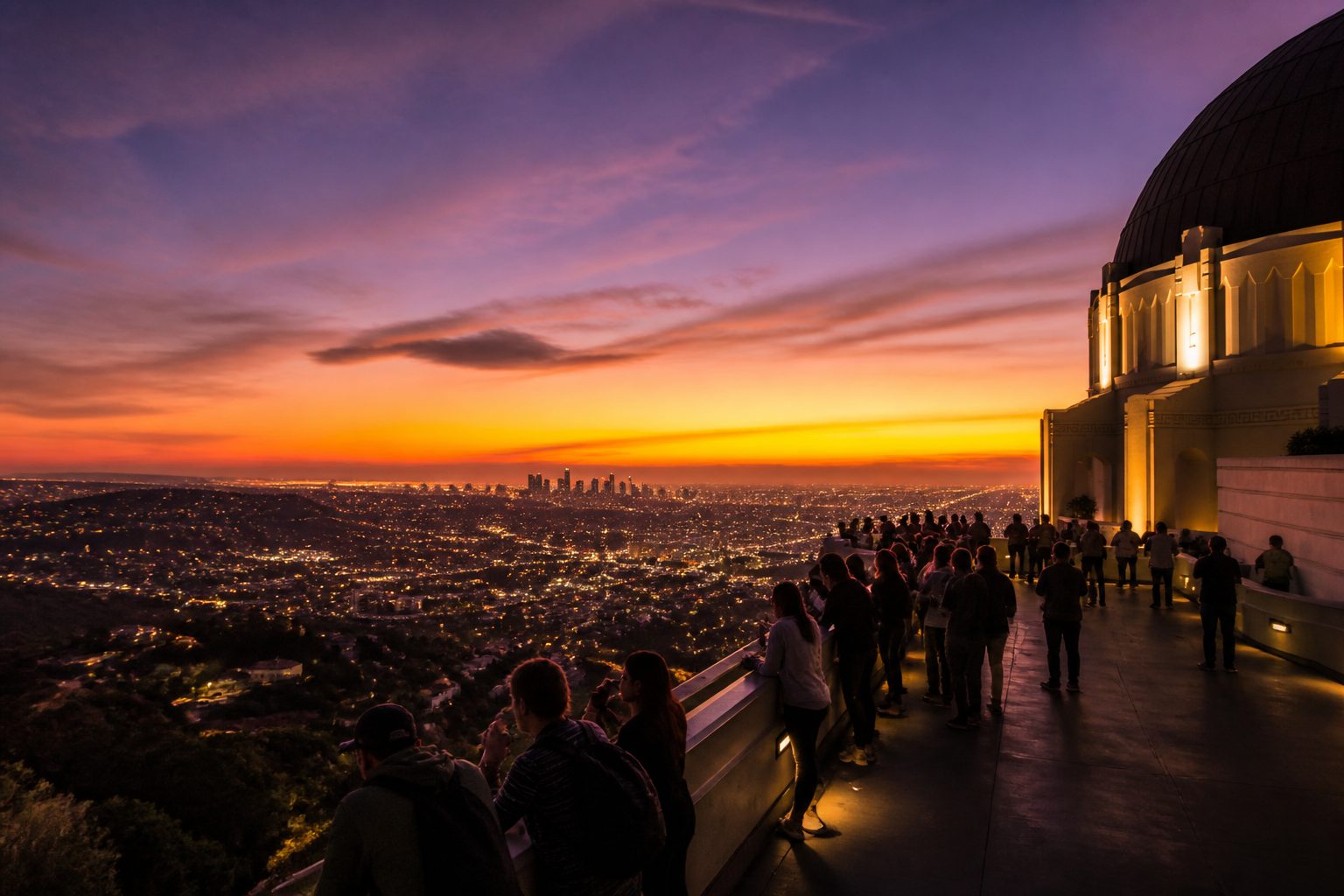
Day three moves you east into Hollywood and Los Feliz. The Griffith Observatory, at 2800 East Observatory Road, sits at 1,134 feet above sea level and offers unobstructed views of the Hollywood Sign and the LA basin that you’ll remember long after you leave. Free to enter. Extraordinary at dusk. Lunch on Hillhurst Avenue in Los Feliz, dinner on Hollywood Boulevard — the Musso & Frank Grill, open since 1919, is the oldest restaurant in Hollywood and still serves a bone-dry martini with authority.
Day four is Downtown. The Grand Central Market at 317 South Broadway has operated continuously since 1917 and currently houses thirty-plus vendors offering everything from Eggslut’s breakfast sandwiches to Wexler’s smoked fish. The Broad museum at 221 South Grand Avenue is free on the first Thursday and third Saturday of each month. The Arts District, east of the freeway, holds the best concentration of independent galleries and chef-driven restaurants in the city — Bestia on Mateo Street remains the benchmark after more than a decade.
Day five is pure beach recovery. Return to Santa Monica or head to Manhattan Beach, 6.5 miles south of LAX, which offers the most walkable beach town atmosphere of any community in greater LA. The pier, the Strand, and the Roundhouse Marine Lab aquarium (free, open to the public) make for a final-day pace that sends you home at ease rather than exhausted.
Where to Stay in LA: Santa Monica, WeHo, DTLA & Venice
Santa Monica is the easiest choice for first-time visitors who want a walkable base with the beach as a constant backdrop. The tradeoff is price — even mid-range hotels here frequently exceed three hundred dollars per night in summer — and the fact that you are thirty to forty-five minutes by car from Hollywood and DTLA in typical midday traffic. You’ll earn every dollar’s worth of proximity to the Pacific, but you’ll spend more time driving than visitors based further east.
West Hollywood occupies the center of the LA visitor map more effectively than any other single neighborhood. The Sunset Strip puts you minutes from Laurel Canyon, five minutes from Hollywood Boulevard, twenty minutes from Santa Monica, and thirty minutes from DTLA. The restaurant density along Santa Monica Boulevard and Melrose Avenue is extraordinary. The Cadillac Escalade and Lincoln Navigator are the vehicles of choice for hotel concierge services in WeHo, and the neighborhood’s layout — compact grid, walkable within its own borders — means you can legitimately spend evenings without a car.
Downtown LA is the value revelation of the city, particularly if your trip extends into weekends when corporate travel deflates room rates by thirty to forty percent. The proximity to Union Station also positions you well for Amtrak’s Pacific Surfliner service to San Diego, which runs eleven times daily and takes approximately two hours and forty-five minutes — far less stressful than driving Interstate 5. The Arts District has matured into one of the best dining neighborhoods in the country, full stop.
Venice remains the most atmospheric neighborhood for vacation rental stays, particularly along the canals. As a hotel destination it is limited, but the Kinney Hotel on Washington Boulevard offers 104 rooms with a colorful, art-focused aesthetic at rates that make the Westside accessible without the Fairmont’s price point. The neighborhood can feel chaotic on weekends due to tourist and local foot traffic converging on the boardwalk, but mornings here — fog still on the water, cyclists moving quietly along the Strand — are among the most evocative experiences available in the city.
Los Angeles Day Trips: Malibu, Catalina, Joshua Tree & San Diego
Malibu is not a day trip so much as an extension of the LA experience itself. The 21 miles of coastline accessible via Pacific Coast Highway include Point Dume State Beach, El Matador State Beach (the most photographed coastal rock formation in Southern California), and the Malibu Pier, which dates to 1905. The drive north from Santa Monica on PCH on a clear morning — the Santa Monica Mountains rising to your right, the Pacific stretching out to your left — is one of the genuinely great American road experiences. Allow at least four hours to do it justice.
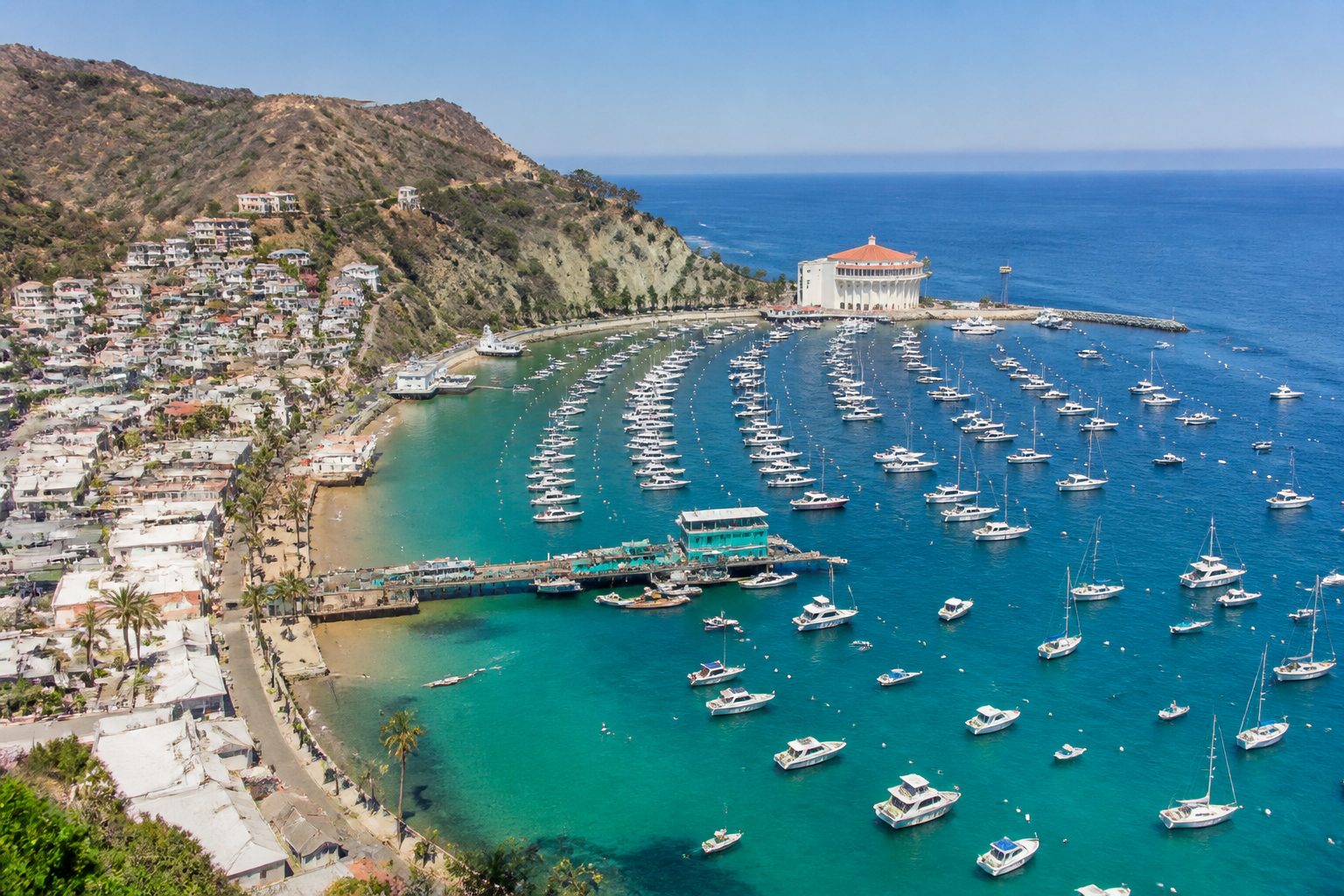
Catalina Island is a 22-mile-long island lying 22 miles off the coast of Long Beach, and the moment you step off the ferry you’ll understand why it operates on an entirely different frequency from the mainland. The Catalina Express ferry departs from Long Beach and Dana Point multiple times daily, with a crossing time of approximately 75 minutes from Long Beach. The island’s main settlement, Avalon, is a car-free pedestrian town with excellent diving, kayaking, and hiking. Book the ferry in advance in summer — peak season sailings sell out. A full day trip is feasible but a two-night stay reveals the island’s quieter, more extraordinary character.
Joshua Tree National Park sits approximately 140 miles east of Los Angeles, a two-and-a-half-hour drive under normal conditions via Interstate 10. The park straddles two desert ecosystems — the Mojave and the Colorado — and the rock formations in the Hidden Valley and Skull Rock areas are among the most otherworldly landscapes accessible by a two-wheel-drive vehicle in the American West. The park receives over three million visitors annually; the best strategy for 2026 is to enter via the north entrance at Twentynine Palms Highway and arrive before 8 AM in spring and fall.
San Diego via Amtrak’s Pacific Surfliner is the most underrated day trip available from Downtown LA. Eleven trains run daily from Los Angeles Union Station, the journey takes between two hours and forty-five minutes and three hours, and Union Station deposits you four blocks from the Gaslamp Quarter and the Embarcadero waterfront. The combination of Balboa Park’s museums, the USS Midway Museum, and the Little Italy neighborhood makes San Diego a legitimately full day rather than a detour.
Best Time to Visit Los Angeles: Weather, Crowds & Traffic
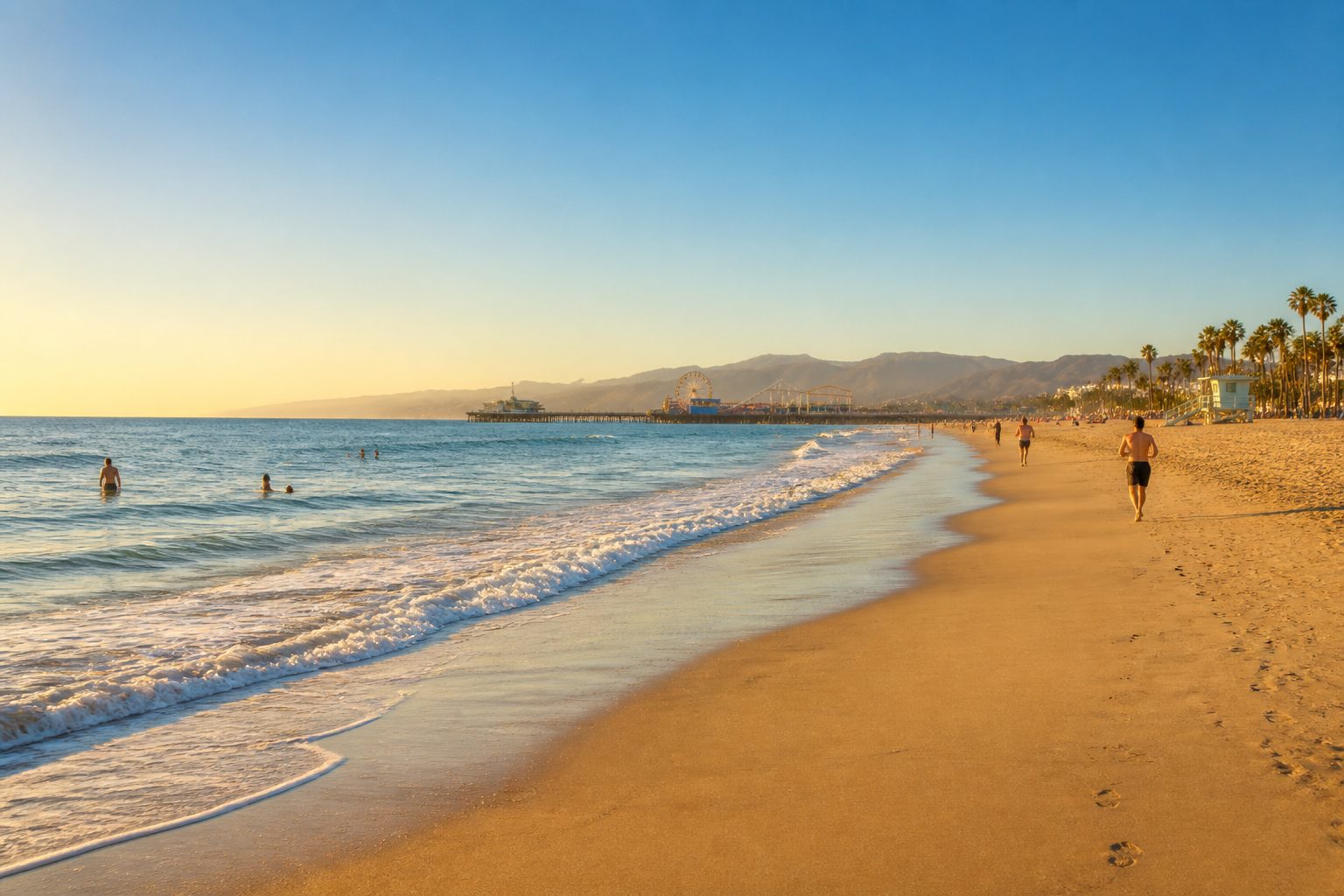
The single most important weather phenomenon for planning a Los Angeles beach trip is the marine layer — a thick, low-lying coastal fog that settles over Santa Monica, Venice, and Malibu from roughly May through July in a pattern locals call June Gloom. Mornings under the marine layer are cool, grey, and occasionally drizzly, burning off by noon and giving way to the sun you came for. If your trip centers on beach time, September and October deliver the clearest skies, warmest ocean temperatures, and the lowest hotel rates of the year — arguably the best months to visit LA by any objective measure.
July and August bring the highest visitor volumes and peak hotel pricing, particularly with World Cup 2026 matches at SoFi Stadium driving demand across all accommodation categories. If you are attending matches, book accommodation at least six months in advance and expect rates in central neighborhoods to reflect the demand. The matches are scheduled between June and July 2026, with SoFi Stadium in Inglewood hosting several group stage games and potentially knockout rounds.
For traffic, the operative rule is simple: avoid Interstate 405, Interstate 10, and US Route 101 between 7 AM and 10 AM and again between 3:30 PM and 7:30 PM on weekdays. These windows are not suggestions. They represent the difference between a forty-minute drive and a two-hour one across identical mileage. Plan museum visits, beach departures, and neighborhood transitions around these windows without exception. Weekend mornings before 9 AM and Sunday evenings after 8 PM are when LA’s freeway system briefly becomes what it was always theoretically meant to be.
Frequently Asked Questions
September and October are objectively the best months — skies are clear, ocean temperatures peak around 68–72°F, and hotel rates dip below summer highs. Avoid May through July if clear beach mornings are a priority, as the marine layer (June Gloom) keeps coastal areas overcast until midday. If you are attending FIFA World Cup 2026 matches at SoFi Stadium, games are scheduled across June and July, so book accommodation six or more months in advance.
LAX is the largest and most connected but is located in the southwest of the city, making it inconvenient for Hollywood, Silver Lake, and the San Fernando Valley. Burbank Bob Hope Airport (BUR) is the best choice for northern neighborhoods and is served by Southwest, Alaska, and United from major US hubs. Long Beach Airport (LGB) is ideal if you plan to take the Catalina Express ferry to Catalina Island.
For most visitors, yes. Los Angeles spans 503 square miles and rideshare fares between neighborhoods routinely run $30–$50 each way. The Metro D Line extension is opening phases to the Westside in 2026, improving rail options along the Wilshire corridor, but a rental car remains essential for Malibu, Joshua Tree, and any serious exploration of the city’s distributed dining and cultural scene.
June Gloom refers to the marine layer — a thick coastal fog — that settles over Santa Monica, Venice, and Malibu from May through July. Mornings are cool and overcast, typically clearing by noon. If you are visiting during this period, plan beach activities for the afternoon rather than the morning, and consider visiting inland neighborhoods like Hollywood, Los Feliz, or DTLA in the morning hours when the Westside is grey.
The Catalina Express ferry operates from Long Beach (approximately 75-minute crossing) and Dana Point multiple times daily. Long Beach is the most popular and frequent departure point. Book in advance during summer months as peak sailings sell out. A day trip is feasible but a two-night stay on the island gives you access to its quieter, more extraordinary natural character.
West Hollywood offers the most central and versatile base — it puts you within 20 minutes of Santa Monica, 5 minutes of Hollywood Boulevard, and a reasonable drive from DTLA. Santa Monica is ideal if beach proximity is your priority, though hotels are more expensive. DTLA offers the best value, particularly on weekends, and is the right choice if arts, food markets, and Amtrak day trips are central to your plans.
Joshua Tree National Park is approximately 140 miles east of Los Angeles — a 2.5-hour drive under normal conditions via Interstate 10. Enter via the north entrance at Twentynine Palms Highway and arrive before 8 AM in spring and fall to beat crowds. The park straddles the Mojave and Colorado Desert ecosystems and is best experienced as an overnight trip, though a very early departure makes a long day trip feasible.
SoFi Stadium in Inglewood is a 70,000-seat venue that opened in 2020 and is home to both the Los Angeles Rams and the Los Angeles Chargers NFL franchises. In summer 2026, it will host several FIFA World Cup matches including group stage games and potentially knockout rounds. The stadium is located approximately 3.5 miles from LAX and is accessible via the Metro C Line (Green Line) at the Hawthorne/Lennox station.
Yes, LA is one of the more expensive US city destinations. Hotel rates in Santa Monica and West Hollywood average $300–$600 per night in peak season. DTLA and Hollywood offer mid-range options at $180–$280. Vacation rentals via Vrbo frequently offer better value per square foot than hotels, particularly for groups of three or more. Dining costs vary enormously — Grand Central Market offers world-class meals under $20, while high-end restaurant tasting menus run $150–$250 per person.
The Getty Center (free general admission, $18 parking) holds one of the finest Impressionist collections in the US. Griffith Observatory is free to enter and offers the best views of the Hollywood Sign. The Venice Canals are freely walkable. Grand Central Market is free to enter. Most LA beaches — from Santa Monica to Zuma to El Matador — are publicly accessible without charge, as California law guarantees public coastal access.
